
A cramped kitchen table doing double duty as a homework station, home office, and dinner spot is often where the room-addition conversation starts. But do additions add value, or do they simply make a home more comfortable while you live in it? The honest answer is both can be true. A well-planned addition can improve daily life and strengthen resale appeal, but the return depends on what you build, how it connects to the home, and what buyers in your area expect.
For many North Carolina homeowners, the best addition is not the biggest one. It is the one that solves a clear problem without making the home feel out of balance with the neighborhood or the rest of the house.
Do Additions Add Value? It Depends on the Project
An addition usually adds value because it adds legal, usable square footage and improves the way a home functions. More living area can raise a property’s market appeal, particularly when it creates a bedroom, bathroom, family room, or other space buyers can easily understand and use.
That does not mean every added square foot produces the same return. A high-cost project can exceed what the local market will support, even when the workmanship is excellent. A large addition on a modest home, for example, may be harder to recover at resale if nearby homes do not sell at comparable prices.
The goal is to balance three things: the value of the additional space, the cost to build it correctly, and the enjoyment your household will receive before you sell. If an addition gives your family room to stay in a home you love for another 10 years, its value is not limited to a future appraisal.
The Additions That Often Appeal Most to Buyers
Buyers generally respond well to space that feels like a natural part of the home rather than an afterthought. Finished, conditioned living space tends to carry more value than unfinished storage or a seasonal enclosure, although each can still be worthwhile for the right homeowner.
Bedrooms and Bathrooms
Adding a bedroom can be a practical investment when it changes the home’s functionality, such as turning a two-bedroom home into a three-bedroom home in an area where families commonly need that extra room. A bedroom addition is even more appealing when it has adequate closet space, proper windows, heating and cooling, and a layout that provides privacy.
Bathrooms can also make a major difference. A primary suite addition, guest suite, or accessible first-floor bathroom can remove everyday friction and broaden the home’s appeal. The strongest results come when the bathroom is sized and finished appropriately for the house. Buyers appreciate quality tile, durable fixtures, good lighting, and storage, but an overly elaborate bathroom may not return every dollar spent.
Family Rooms and Flexible Living Space
A family room, expanded kitchen area, or finished bonus room can help a home live larger without changing its character. Flexible space has become especially useful for households that need room for remote work, visiting relatives, hobbies, or teenagers who need a place to gather.
A room should have a clear purpose, but it should not be so specialized that future buyers struggle to picture themselves using it. Built-in storage, thoughtful electrical placement, comfortable ceiling height, and natural light make a flexible room more valuable than an oversized empty box.
In-Law Suites and First-Floor Living
An addition that supports aging parents, adult children, or long-term guests can be a meaningful investment for families planning to remain in their homes. First-floor bedrooms, accessible bathrooms, wider openings, and step-free entries can also make a property more practical as homeowners’ needs change.
These projects require careful planning because plumbing, accessibility details, privacy, and exterior access all affect the final design. When handled well, they can provide day-to-day independence while making the home useful to a wider range of future buyers.
Square Footage Only Counts When It Is Built Properly
Not all added space is valued the same way. A permitted, finished addition that is connected to the home’s heating and cooling system is fundamentally different from a converted porch, detached outbuilding, or unfinished room. Those spaces can still add usefulness and appeal, but they may not be included in the home’s official heated square footage.
This is why permits, code compliance, and professional construction matter. An addition should have an appropriate foundation, framing, insulation, roofing, electrical work, and weather protection. It should also blend with the existing home through compatible siding, windows, trim, rooflines, and drainage details.
Skipping these steps can cost more later. Unpermitted work may create issues during a sale, complicate insurance questions, or require expensive corrections. A properly managed project gives homeowners documentation and confidence that the new space was built for lasting use.
Design Choices That Protect the Return on Your Investment
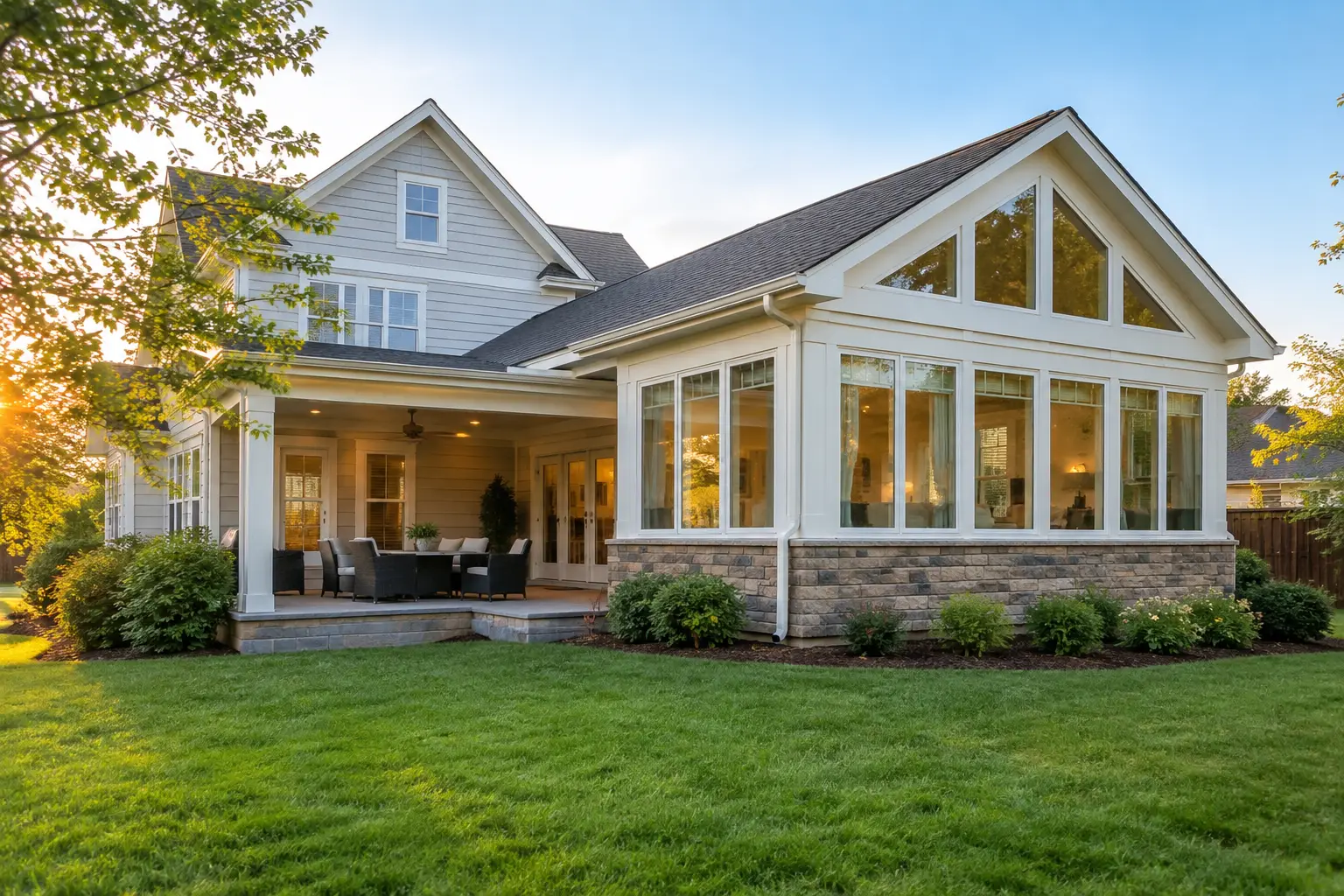
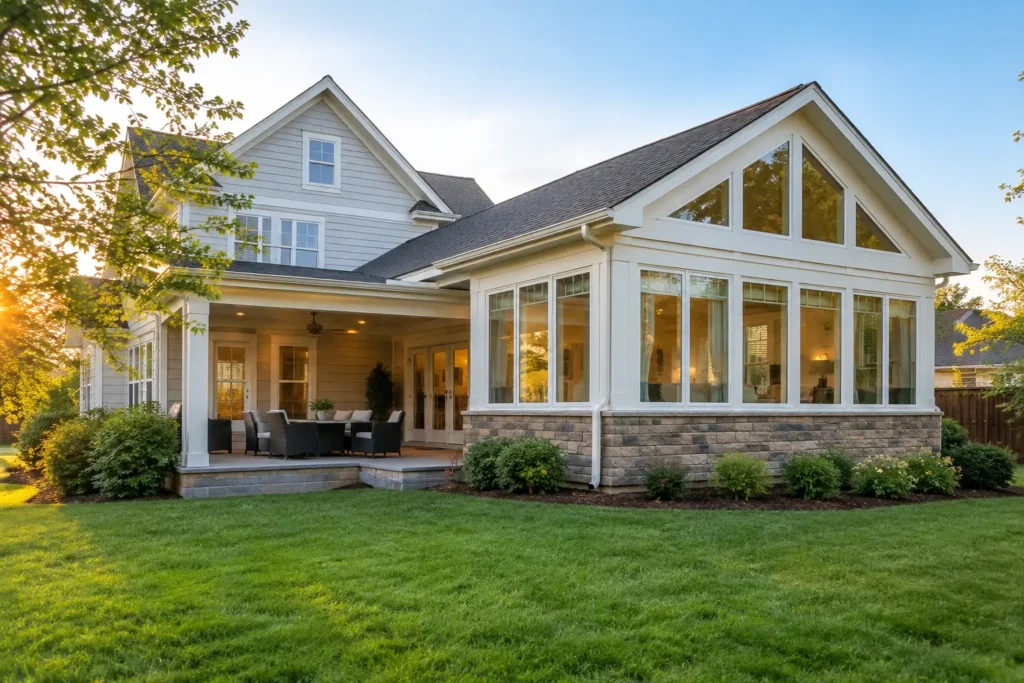
The most valuable additions look intentional from the street and feel natural from inside. A roofline that meets the existing structure cleanly, windows that align with the rest of the home, and exterior materials that complement the original construction all contribute to a finished appearance.
Inside, pay close attention to flow. If reaching the new room requires walking through a bedroom or passing through a narrow hallway, buyers may see it as awkward space rather than useful square footage. A good layout protects privacy, provides sensible access, and avoids making existing rooms smaller or less functional.
Material selection matters as well. Durable flooring, efficient windows, reliable doors, and quality roofing or siding support the long-term condition of the addition. Matching everything perfectly is not always possible, especially on an older home, but visible differences should look deliberate rather than patched together.
Know Your Neighborhood Before You Build
Local market expectations should guide the scope of the project. In established neighborhoods around Greensboro, Winston-Salem, High Point, and other North Carolina communities, buyers may place a premium on another bedroom, an updated primary suite, or a larger family gathering area. In another area, outdoor living, garage space, or a home office may matter more.
Before finalizing plans, consider the size and price range of nearby homes. If your home is already one of the largest or most expensive properties on the street, a major addition may bring more personal enjoyment than resale return. On the other hand, if your home lacks a feature that comparable homes commonly offer, an addition may help it compete more effectively.
A contractor can help assess construction feasibility and likely project costs, while a local real estate professional can offer useful perspective on buyer preferences and recent comparable sales. Both viewpoints are valuable before committing to a major investment.
Cost, Timing, and the Value You Create While Living There
A room addition is a substantial construction project, not a quick cosmetic update. Homeowners should plan for design decisions, permits, site preparation, inspections, material lead times, and temporary disruption around the work area. Clear communication and a clean, organized job site make that process easier, but realistic expectations are still essential.
Financing can also influence the right scope. It may make sense to complete the addition in one coordinated project rather than making smaller changes that later need to be removed or reworked. At the same time, a budget should leave room for the structural and exterior details that protect the investment. Cutting back on drainage, insulation, roofing integration, or finish quality to gain more square footage is rarely a good trade.
Carolina Improvements helps homeowners evaluate room additions as part of the whole property, including how the new space will connect to the roof, siding, windows, doors, concrete, and outdoor areas. That broader view helps prevent a new room from creating an old problem elsewhere on the home.
Start With the Problem You Want to Solve
The best reason to build an addition is not simply to chase a percentage return. Start with the daily issue your home is creating: no place for guests to sleep, a growing family that needs another bedroom, a lack of accessible living space, or a living room that cannot accommodate the people who use it.
Then build a solution that fits your property, your neighborhood, and your long-term plans. A thoughtfully designed, properly permitted addition can add market value, but its most immediate value is often simpler: it lets your home work better for the people already living in it.