
A low-slope roof has a different job than the pitched shingle roof over most of your home. Water drains more slowly, sunlight bears down directly, and a small issue around a seam or penetration can become a leak. So, is TPO durable enough for a residential roof? When it is properly specified and professionally installed, TPO can be a dependable, long-lasting choice for low-slope areas such as additions, porches, sunrooms, garages, and certain commercial-style residential roofs.
TPO, short for thermoplastic polyolefin, is a single-ply roofing membrane. It is installed in wide sheets rather than individual shingles, creating a continuous protective surface with heat-welded seams. The material’s durability is real, but it is not automatic. Membrane thickness, roof design, drainage, flashing details, and installation workmanship all affect how well a TPO roof performs over time.
Is TPO Durable in North Carolina Weather?
TPO is designed to hold up against the conditions that challenge low-slope roofs: heat, ultraviolet exposure, rain, wind, and everyday expansion and contraction. Its white surface is highly reflective, which can reduce the amount of solar heat absorbed by the roof. That matters during North Carolina’s long, humid summers, especially over rooms that are difficult to keep comfortable.
The membrane is also flexible enough to accommodate normal movement in the roof structure. Unlike a rigid surface that can crack as temperatures shift, TPO has some give. Properly welded seams are a major advantage as well. The installer uses hot air to fuse adjacent sheets together, creating a bonded connection that is often stronger than the membrane itself.
That said, no roofing material is immune to severe weather or poor drainage. Standing water, flying debris, tree limbs, and repeated foot traffic can shorten the useful life of any low-slope roof. TPO performs best when the roof has positive drainage and the surface is kept clear of leaves, branches, and accumulated debris.
What Affects TPO Roof Durability?
A TPO roof is not simply a product decision. It is a complete system that includes insulation, edge metal, fasteners or adhesive, flashing, drains, and the membrane itself. A quality membrane cannot compensate for weak detailing around a vent pipe, skylight, wall transition, or roof edge.
Membrane thickness
TPO is available in different thicknesses, commonly measured in mils. Thicker membranes generally offer greater resistance to punctures and wear, although the best choice depends on the roof’s use and exposure. A roof that receives occasional maintenance traffic has different needs than a roof beneath overhanging trees or one that supports HVAC equipment.
For a typical residential application, the goal is not simply to choose the thickest option available. It is to select a system appropriate for the roof’s condition, slope, drainage, and expected use. A contractor should explain what membrane thickness is being proposed and why it fits your project.
Seams and flashing details
TPO seams are one of its strongest features when welded correctly. But they require trained installation and careful quality control. Heat that is too low may not fully fuse the membrane. Too much heat can damage it. The same attention is needed at corners, curbs, pipes, and transitions where the roof meets siding or masonry.
Most low-slope roof leaks do not begin in the open field of the membrane. They begin at a penetration, edge, drain, or transition that was not properly flashed. This is why installation experience matters at least as much as the name on the roofing material.
Drainage and roof slope
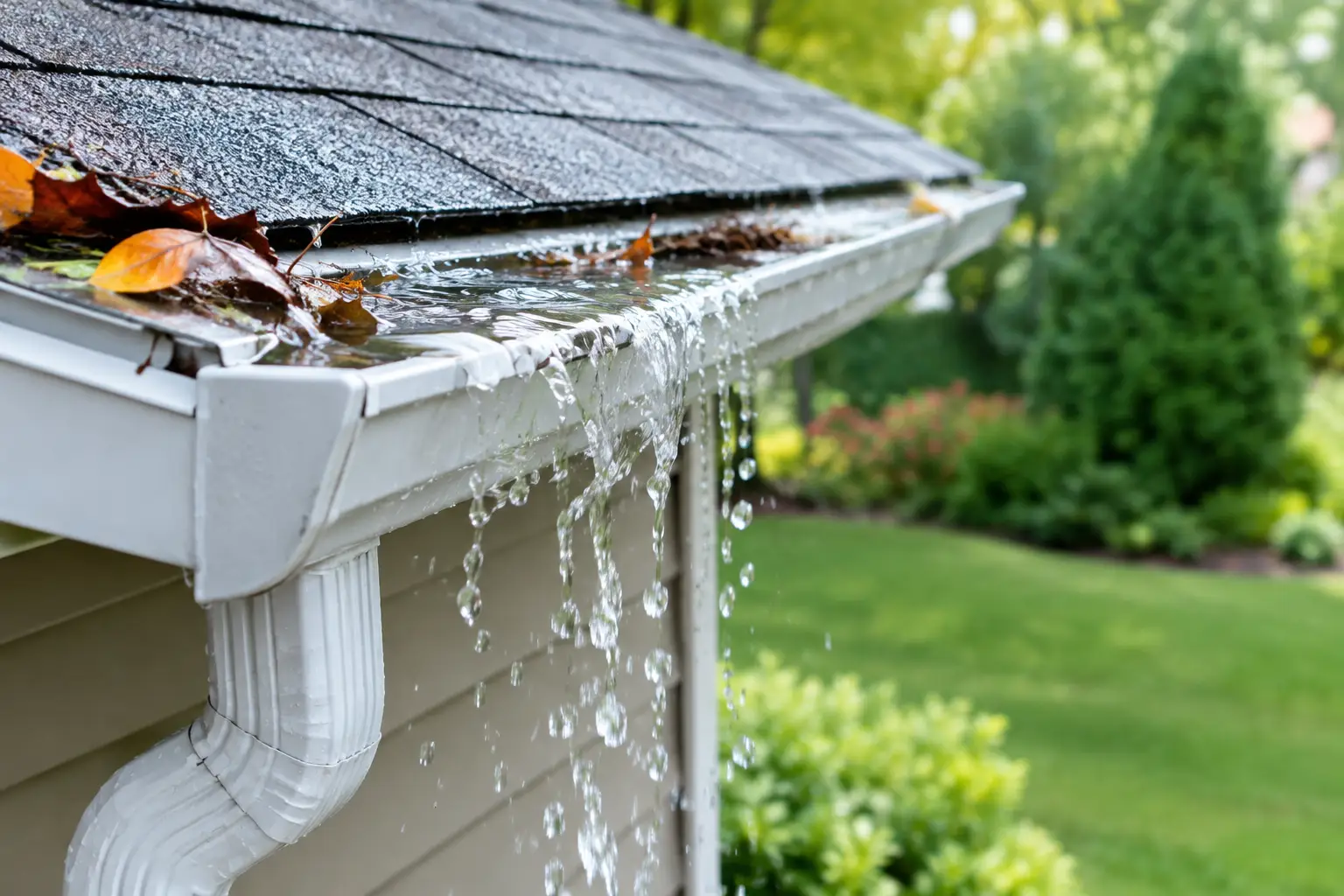
TPO is water-resistant, but a roof should not be treated like a pond. Water that remains on the surface after rainfall can collect dirt, encourage algae growth, and reveal low spots that need correction. Over time, ponding water puts extra stress on seams and flashing areas.
A professional assessment should identify whether your roof has enough slope to move water toward drains, scuppers, or gutters. In some cases, tapered insulation or localized repairs can improve drainage before the new membrane is installed. Addressing this work upfront is far more practical than covering an existing drainage problem with a new roof.
Exposure and foot traffic
TPO resists ordinary weather exposure well, but sharp objects and unnecessary traffic can puncture it. A roof under mature trees may need more frequent cleaning. If technicians must regularly access equipment on the roof, designated walk pads can protect high-traffic paths.
Homeowners should also avoid placing furniture, planters, or loose items on a TPO roof unless the system was designed for that purpose. A low-slope roof is not automatically a usable deck surface, even if it appears flat and accessible.
How Long Can a TPO Roof Last?
A professionally installed TPO roof can often provide around 20 to 30 years of service, with lifespan varying by membrane thickness, local conditions, maintenance, and installation quality. Some roofs may need repair sooner if they experience storm damage, poor drainage, or problems with the underlying structure.
This range is one reason TPO is attractive for homeowners planning an addition, enclosed porch, garage, or other structure with a low-slope roofline. It offers a clean appearance, effective weather protection, and a service life that can compare favorably with other low-slope roofing options.
A warranty can provide valuable protection, but it should not be the only factor in your decision. Read what it covers, how long coverage lasts, and whether installation requirements must be met for the warranty to remain valid. A strong warranty is most useful when paired with quality materials and accountable installation.
TPO Compared With Other Low-Slope Roofing Materials
TPO is not the right answer for every roof, but it is a strong contender for many residential projects. Compared with traditional rolled roofing, TPO generally provides better seam performance and a longer expected service life. Rolled products can be appropriate for certain budget-focused repairs, but they usually do not offer the same long-term durability.
Compared with EPDM rubber roofing, TPO has the advantage of a reflective white surface and heat-welded seams. EPDM is also a proven low-slope material, particularly where its flexibility is beneficial. The better option depends on roof details, budget, color preference, and the system your contractor recommends for the building.
PVC roofing is another heat-welded membrane with excellent durability, especially around certain chemical exposures. For most residential settings, however, TPO can provide a practical balance of performance and cost. The most important comparison is not just material versus material. It is whether the proposed system addresses the specific roof underneath it.
Signs a TPO Roof Needs Attention
A TPO roof does not need frequent intensive maintenance, but it should not be ignored. Check it after major storms and have it inspected periodically, particularly if it covers a finished room or valuable stored items. Early repairs are usually simpler and less costly than waiting for interior water damage.
Call for an inspection if you notice water stains on a ceiling, bubbling or soft areas indoors, loose edge metal, visible splits near penetrations, standing water that remains long after rain, or debris building up around drains and gutters. These signs do not always mean full replacement is necessary. A targeted repair may restore protection when the rest of the system remains in good condition.
Choosing a TPO Roof With Confidence
The best way to evaluate a TPO roof is to begin with an on-site assessment, not a one-size-fits-all price. A qualified contractor should inspect the deck, drainage, transitions, existing damage, and the way the roof connects to the rest of the home. You should receive a clear explanation of the recommended membrane, installation method, and any repairs needed before roofing begins.
For homeowners in the Piedmont Triad and surrounding North Carolina communities, Carolina Improvements can help make that decision more straightforward. A professional evaluation can determine whether a TPO system is the right fit for your low-slope roof and identify the details that will protect your home for years to come.