
A hard rain can reveal a gutter problem quickly. Water pours over the edge, mulch washes out of beds, and runoff lands too close to the foundation. For homeowners tired of climbing a ladder to clear wet leaves and debris, the question is practical: are leafless gutters worth it? For many homes, they are – but the right answer depends on your roofline, nearby trees, existing gutter condition, and expectations for maintenance.
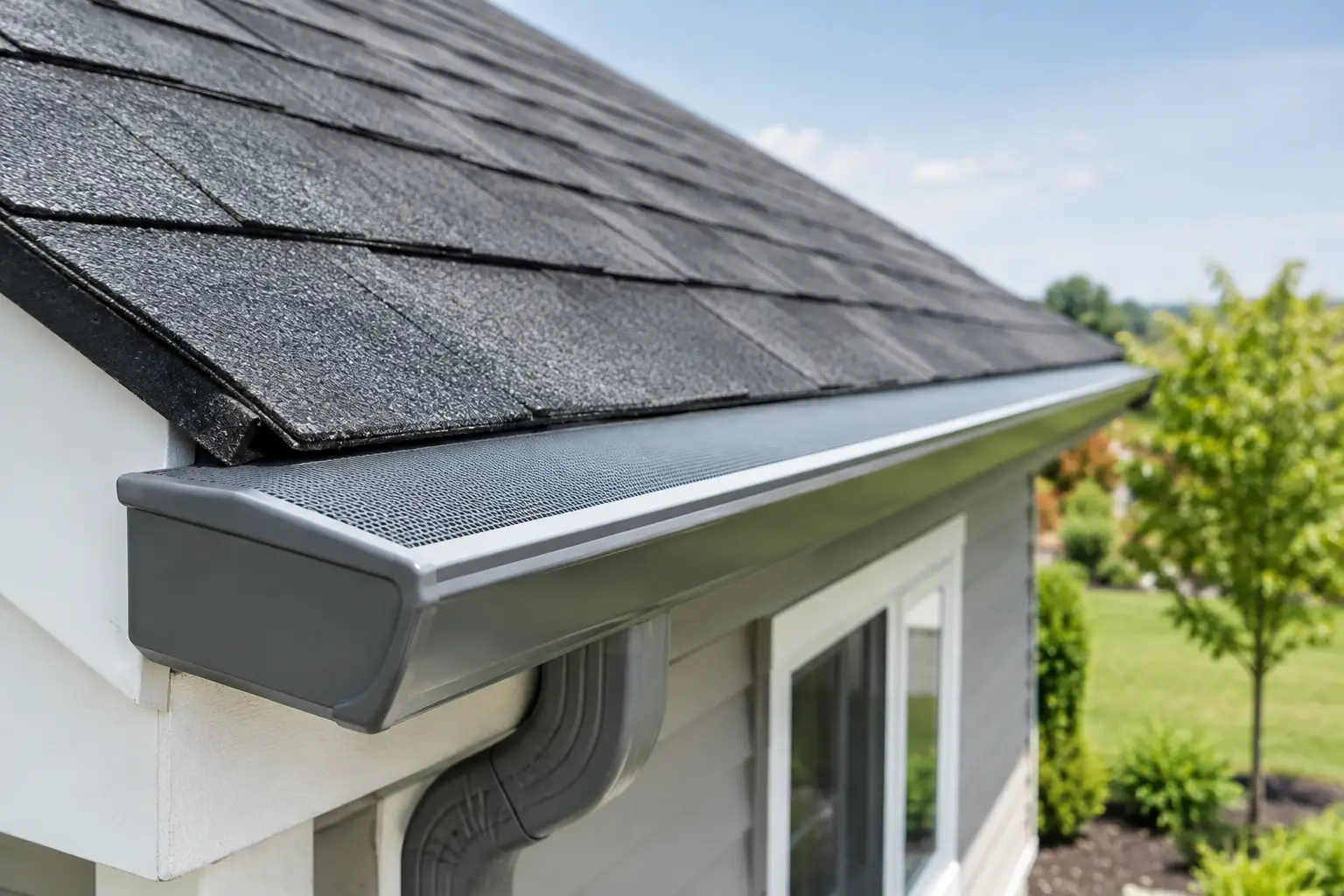
Leafless gutters, also called gutter guards or no-leaf gutters, are designed to keep most leaves and large debris out while allowing rainwater to enter the gutter system. They can reduce routine cleaning, protect the home from water damage, and make gutter maintenance safer. They are not a promise that you will never need to look at your gutters again.
What Leafless Gutters Actually Do
A leafless gutter system uses a cover, screen, or surface-tension design to direct rainwater into the gutter while keeping debris on top. Wind, rain, and normal drying conditions help move leaves off the surface. The goal is to maintain a clear path for water from the roof, through the gutter, and down the downspouts.
That water-management path matters more than many homeowners realize. Gutters are not simply a finishing detail along the roof edge. When they clog or overflow, water can saturate soil near the foundation, stain siding, damage fascia boards, erode landscaping, and contribute to moisture problems around the home.
In North Carolina, gutters often need to handle heavy spring and summer rain along with a steady supply of leaves, twigs, pine needles, seed pods, and roof granules. A properly selected and professionally installed leafless gutter system can make that job much more reliable.
Are Leafless Gutters Worth It? Start With the Benefits
The biggest benefit is less frequent gutter cleaning. Homes beneath mature hardwood trees may require multiple cleanings each year, especially in fall. A quality gutter protection system can significantly reduce that work and the risk of getting on a ladder with wet debris underfoot.
Leafless gutters can also help preserve the gutter system itself. Standing water and trapped organic material add weight, encourage corrosion in older systems, and can pull loose gutters away from the fascia. By helping water flow more consistently, gutter protection supports the long-term performance of the entire drainage system.
For homeowners who travel often, have limited mobility, or simply do not want to schedule seasonal gutter cleaning, that convenience has real value. The investment may also make particular sense when a home has a steep roof, a second story, or landscaping that makes ladder placement difficult.
There is a property-protection benefit as well. Clean, properly pitched gutters and well-placed downspouts help move water away from the house. That can reduce the likelihood of overflow against siding, pooled water at entryways, and erosion around planting beds and walkways.
The Limits to Understand Before You Buy
No gutter guard is completely maintenance-free. Fine debris can collect on top of certain guard styles, and pine needles, shingle grit, pollen, and small seed pods can still create problems over time. You may need occasional rinsing or professional inspection to ensure water is entering the system as intended.
The quality of installation is equally important. A guard that is not secured properly, is installed at the wrong angle, or interferes with roof drainage can create runoff issues instead of solving them. Gutters must be correctly sized, firmly fastened, and pitched so water reaches the downspouts without standing in the trough.
Leafless gutters also cannot correct existing roof or fascia damage. If wood behind the gutter is soft, gutters are pulling away from the house, or water is getting behind the fascia, those conditions should be addressed before adding gutter protection. Covering an aging or undersized system does not create a dependable drainage solution.
When They Make the Most Sense
Leafless gutters are often a worthwhile choice for homes with consistent debris exposure. Large deciduous trees, pines close to the roof, and wooded lots can make traditional open gutters a recurring maintenance task. They are also a smart consideration during a larger exterior project, such as roof replacement, fascia repair, siding work, or new gutter installation.
A new system gives the installer an opportunity to assess the complete drainage setup rather than attaching a guard to gutters that may already be worn out. In some cases, larger gutters, additional downspouts, or improved downspout extensions are needed to handle the roof’s water volume effectively.
They can be especially helpful if you have experienced any of these recurring issues:
- Gutters overflow during ordinary rainstorms.
- Leaves and debris fill the gutter channels several times a year.
- Water washes mulch or soil away near the foundation.
- You avoid cleaning the gutters because of height, roof slope, or ladder safety concerns.
- Existing gutters are sagging, leaking at seams, or pulling away from the fascia.
If the main issue is poor drainage during heavy rain, a gutter guard alone may not be the answer. The roof area may require larger gutters or more downspout capacity. A professional on-site assessment can identify whether debris, system size, slope, or damaged materials are causing the problem.
Cost: Look Beyond the Initial Price
Leafless gutter costs vary based on the home’s size, height, roof complexity, gutter condition, and the type of protection system selected. Adding guards to sound existing gutters generally costs less than replacing the entire gutter system, but replacement can be the better value when the current gutters are old, undersized, or poorly installed.
It is useful to compare the price against more than gutter-cleaning bills. Consider the time spent arranging cleanings, the risk of ladder work, and the potential expense of repairing damaged fascia, landscaping, siding, or foundation drainage areas after repeated overflow. A lower-cost guard that clogs easily or does not fit the gutter correctly may not deliver the long-term value a homeowner expects.
The best quote should clearly explain what is being installed, whether existing gutters need repair or replacement, how the system handles downspouts, and what maintenance is still recommended. Ask about material quality, fastening methods, workmanship, and how the installer will address water flow at roof valleys and other high-volume areas.
Choosing the Right System for Your Roof
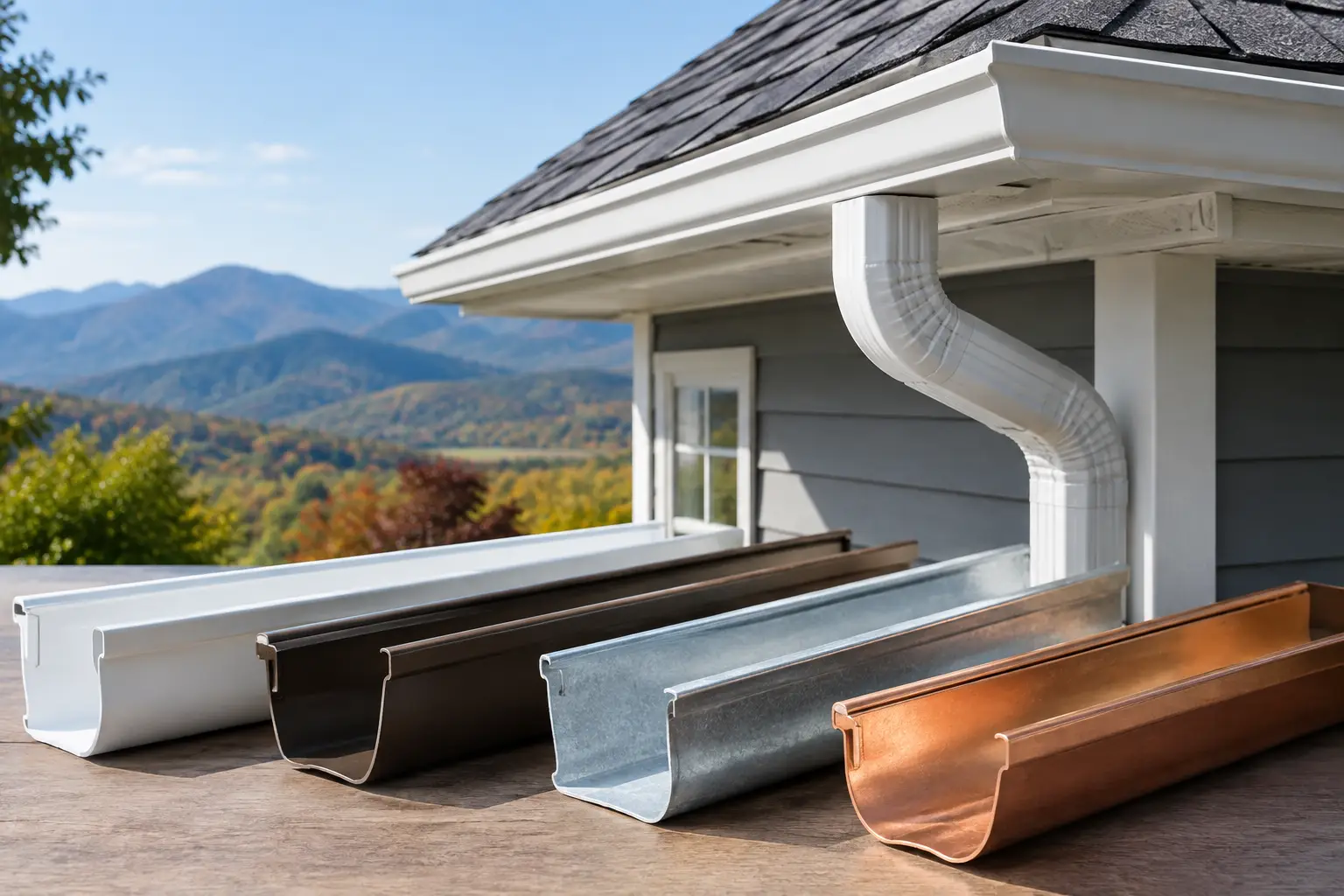
There is no single best guard style for every property. Fine mesh systems can be effective against smaller debris but may need surface cleaning in areas with heavy pollen or shingle grit. Solid covers can shed larger leaves well, yet their performance depends on proper installation and their ability to handle fast roof runoff. Brush-style and foam inserts are usually less expensive, but they can hold debris and often require more attention.
Your roof material and layout matter, too. A low-slope roof, a steep roof, long gutter runs, and valleys where two roof planes meet all affect how water reaches the gutter. Homes in the Piedmont Triad and surrounding North Carolina communities also commonly deal with tree cover that changes from one season to the next. What works on an open lot may not be the best fit for a heavily wooded property.
This is why a contractor should examine the home rather than recommend a one-size-fits-all product over the phone. The goal is not simply to add a cover. It is to create a durable system that captures roof runoff and directs it safely away from the structure.
Installation Quality Protects the Investment
Professional installation helps ensure the gutter system is secure and properly aligned with the roof edge. It also allows the installer to inspect fascia boards, seal connections, evaluate hangers, and confirm that downspouts discharge far enough away from the home.
Carolina Improvements approaches gutter work as part of the home’s overall exterior protection. A clear recommendation should account for the existing gutter condition, the roof’s drainage pattern, nearby trees, and the homeowner’s long-term maintenance goals. Quality materials and careful installation matter because gutters are only effective when every part of the system works together.
A good leafless gutter system should make rainy days less stressful, not create another exterior issue to monitor. If your gutters overflow, clog repeatedly, or show signs of age, an in-home assessment can help you decide whether gutter protection, gutter replacement, or a broader drainage improvement is the most practical next step.