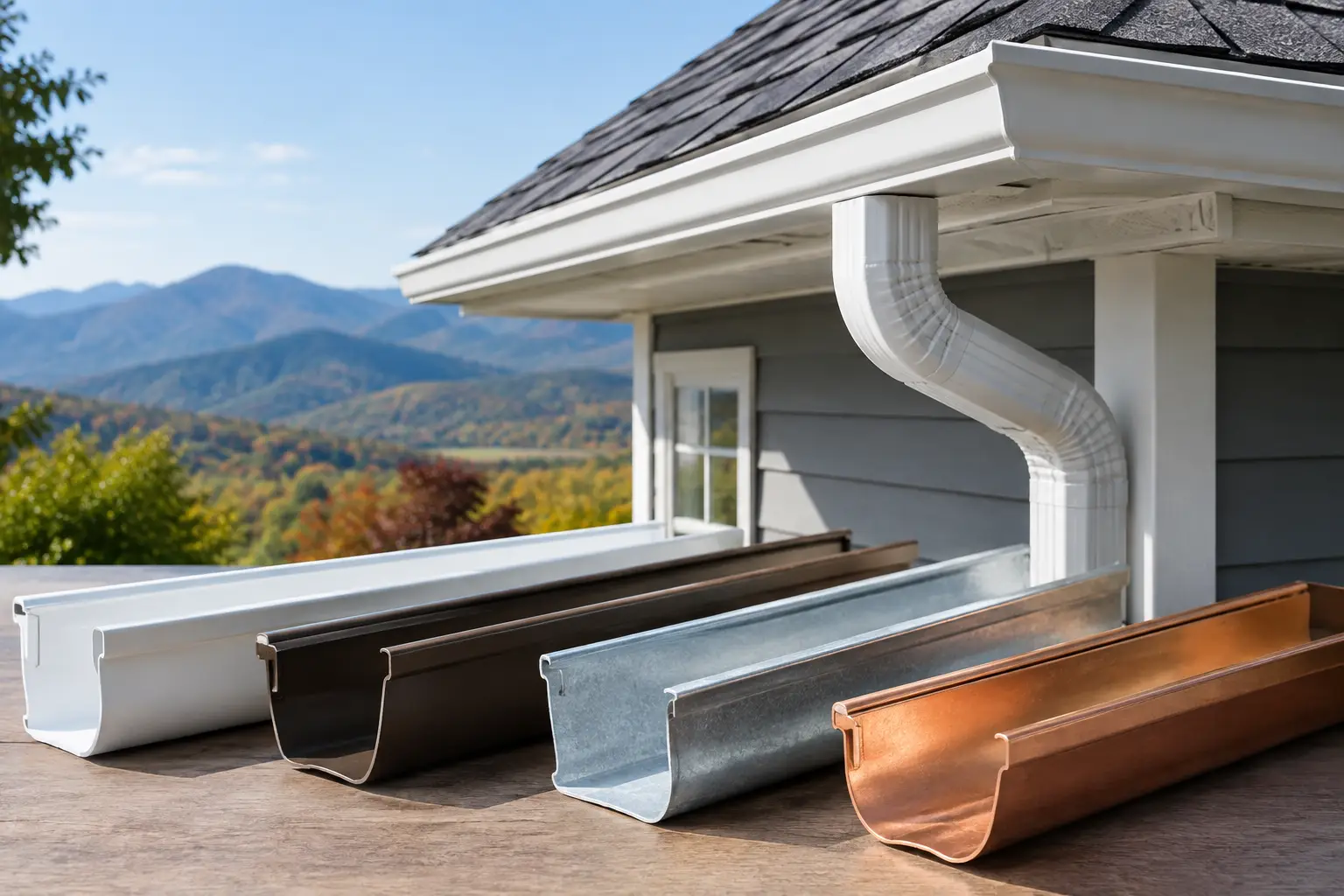

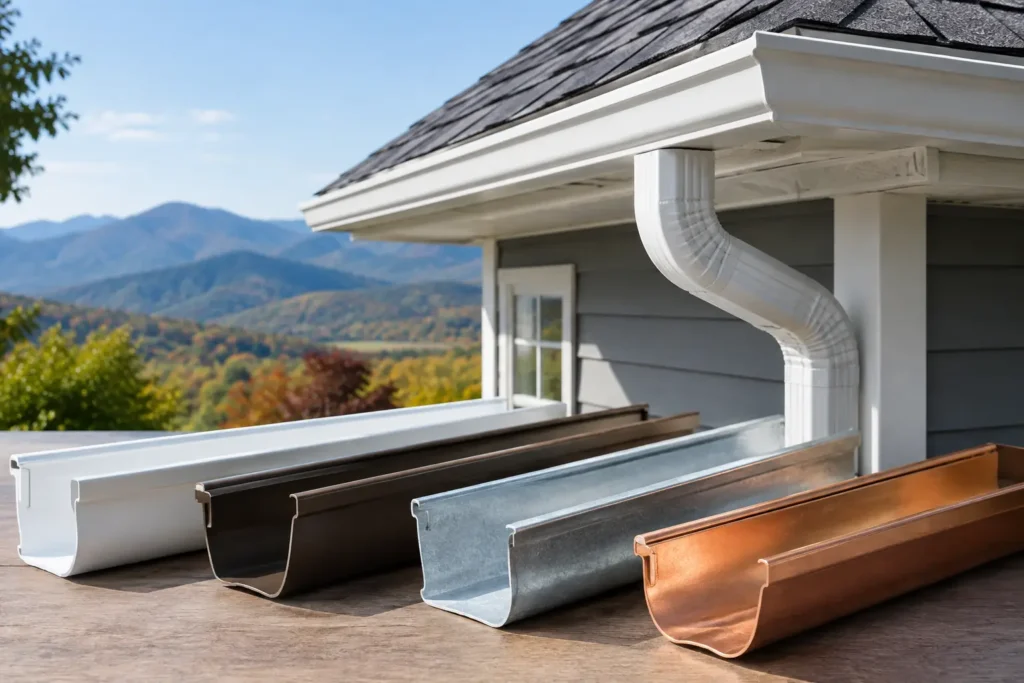
A hard North Carolina rain can move a surprising amount of water off a roof in minutes. If gutters are undersized, poorly installed, or made from a material that has begun to fail, that water can overflow near the foundation, soak landscaping, stain siding, and contribute to wood rot around fascia boards. Choosing the best gutter materials for homes is not just a curb-appeal decision. It is part of protecting the structure and the investment beneath it.
The right choice depends on your roof size, budget, tree coverage, and the condition of your existing gutter system. For most homeowners, aluminum offers the strongest balance of cost, durability, and appearance. However, other materials can make sense when a home has specific performance needs or a particular architectural style.
Best Gutter Materials for Homes: A Practical Comparison
Aluminum gutters: the best fit for most homes
Aluminum is the most common residential gutter material for good reason. It is lightweight, rust-resistant, available in many colors, and well suited to North Carolina’s humid summers and frequent rain. Most aluminum gutter systems can be formed on site as seamless gutters, reducing the number of joints where leaks often develop.
Seamless aluminum gutters are especially practical for homes in Greensboro, Winston-Salem, High Point, and surrounding areas where mature trees and seasonal storms can put a system to work. They are durable enough for everyday use without carrying the premium price of copper or zinc.
The trade-off is that aluminum can dent if a ladder is leaned against it carelessly or a large branch falls on it. Thicker aluminum, quality hangers, and professional installation make a meaningful difference in how well the system holds its shape over time.
Galvanized steel gutters: strong but maintenance-heavy
Galvanized steel is a strong material that resists dents better than aluminum. It can be a reasonable choice for homeowners who want a rigid gutter profile and are prepared for the maintenance it requires.
Its main drawback is rust. The protective zinc coating can eventually wear down, particularly at seams, scratches, and areas that stay wet. Once corrosion begins, steel gutters need prompt attention to avoid leaks and deterioration. For many homeowners, aluminum provides similar everyday performance with less upkeep.
Copper gutters: long-lasting and distinctive
Copper gutters are known for their appearance and exceptional life span. They begin with a warm metallic finish and gradually develop a natural patina. On historic homes, high-end custom residences, or properties with copper roofing details, they can create a finished look that other materials cannot match.
Copper is highly resistant to corrosion and can last for decades when installed correctly. It is also significantly more expensive than aluminum, both in material cost and installation. Because copper expands and contracts with temperature changes, skilled installation is essential. It is best viewed as a long-term architectural investment rather than a basic drainage solution.
Zinc gutters: durable with a refined finish
Zinc offers many of the long-term benefits associated with copper, including excellent corrosion resistance and a natural weathered appearance. It can develop a protective surface over time that helps it withstand the elements.
Like copper, zinc carries a higher upfront cost and requires experienced installation. It may be a good option for homeowners building or renovating a custom home and prioritizing a low-maintenance material with a distinctive appearance. For a typical replacement project, its added cost may not provide enough practical benefit over quality seamless aluminum.
Vinyl gutters: inexpensive, but not always durable
Vinyl gutters are often chosen because they are affordable, lightweight, and easy to find. They will not rust, and their color runs through the material, so small scratches are less noticeable.
The concern is long-term rigidity. Vinyl can become brittle with age, crack under impact, or sag when it is not properly supported. Heat and cold cycles can also cause movement at the joints. Vinyl may work for a small outbuilding or a short-term budget solution, but it is usually not the best long-term choice for a primary residence.
Material Matters, but Gutter Design Matters Too
Even the best material will underperform if the system is not sized and installed for the home. A large or steep roof sends water into the gutters quickly, especially during a heavy downpour. In those cases, standard 5-inch gutters may not provide enough capacity. Wider 6-inch gutters and larger downspouts can move more water away from the roofline and reduce overflow.
Downspout placement is equally important. Water should be directed away from the foundation, walkways, patios, and low areas of the yard. Extensions or underground drainage may be appropriate when grading does not naturally carry water away from the house.
Seamless construction is another worthwhile consideration. Traditional sectional gutters are assembled from shorter pieces, creating more seams that can loosen or leak over time. Seamless gutters are custom-formed to the length of each roof edge, leaving joints primarily at corners and downspout connections. Fewer joints generally mean fewer places for water to escape.
How Trees, Roof Type, and Budget Affect Your Choice
A homeowner with few nearby trees may be able to focus mainly on material, size, and color. A homeowner with oak, pine, or maple trees over the roof needs to think about debris management as well. Wet leaves, pine needles, and roof grit can block gutters and downspouts, creating standing water that adds weight to the system and encourages overflow.
Gutter protection can reduce routine cleaning and help water flow during storms, but it should be chosen to match the type of debris around the home. Fine pine needles require a different approach than large leaves. No leaf gutter systems can be a valuable addition for heavily wooded properties, particularly when paired with properly sized gutters and downspouts.
Your roof material also affects the installation plan. Asphalt shingle, metal, and low-slope roofing all shed water differently, and the gutter pitch must be set carefully so water moves toward the downspouts without looking uneven. If fascia boards are soft, rotted, or pulling away, they should be repaired before new gutters are installed. New gutters attached to failing wood will not stay secure for long.
Budget is a fair part of the decision. Aluminum typically delivers the best value for a full gutter replacement because it combines dependable performance, color options, and manageable cost. Copper and zinc may be worth considering when appearance and life span are the priority. Vinyl can reduce upfront expense, but homeowners should weigh that savings against its shorter expected service life.
Signs Your Gutters Need More Than a Repair
A small leak at a seam or a loose hanger can often be repaired. However, widespread issues usually point toward replacement. Gutters that pull away from the fascia, sag between hangers, show repeated rust or cracking, or overflow despite being cleaned may no longer be doing their job.
Look for evidence around the home as well. Soil erosion near the foundation, peeling paint, mildew on siding, water marks beneath the gutters, and washed-out mulch can all indicate a drainage problem. These signs are easy to overlook because they develop gradually, but the water damage they cause can become expensive if left unresolved.
A professional on-site assessment can determine whether the problem is the gutter material, the gutter size, poor slope, blocked downspouts, damaged fascia, or several issues working together. That is more useful than replacing one section and hoping the larger system holds up.
For most North Carolina homes, seamless aluminum gutters with properly sized downspouts offer dependable, long-lasting protection. The best choice becomes clearer when it is based on your roof, drainage needs, surrounding trees, and the condition of the home itself. Carolina Improvements can help homeowners evaluate those details during a free in-home estimate, then recommend a gutter system built to direct water where it belongs: safely away from your home.