
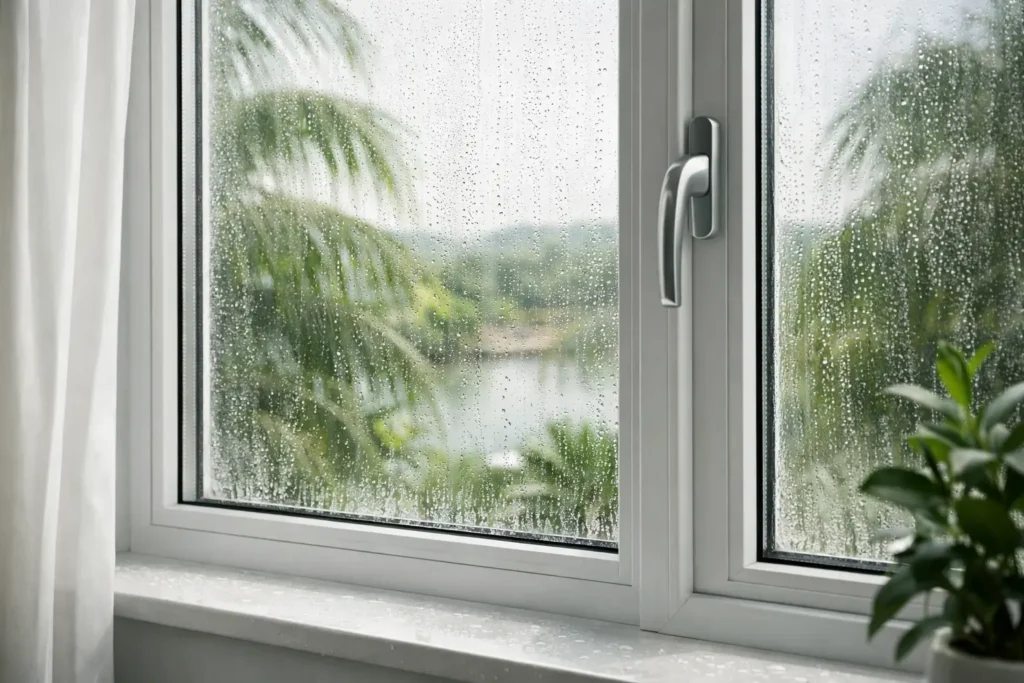
A fogged window on a sticky North Carolina morning is more than an annoyance. It can signal that warm, moisture-heavy air is reaching a cold glass surface or slipping past a weak seal. The best windows for humid climates help manage that moisture while improving comfort, protecting surrounding trim, and reducing the strain on your heating and cooling system.
For homeowners in the Piedmont Triad and across North Carolina, the right choice is rarely about one feature alone. Frame material, glass package, weatherstripping, drainage, and installation all work together. A quality window can still underperform if it is poorly fitted, flashed incorrectly, or paired with damaged exterior trim.
What Humidity Demands From Replacement Windows
Humidity puts window systems under pressure in two directions. Outside, summer air carries substantial moisture. Indoors, cooking, showers, laundry, and everyday living add more water vapor to the air. When either source meets a cooler surface, condensation can form.
A small amount of condensation on the exterior of high-performance glass can be normal under certain weather conditions. Persistent moisture on the interior glass, however, deserves attention. It may point to high indoor humidity, inadequate ventilation, weak insulation around the opening, or an aging window that no longer seals effectively.
In a humid climate, replacement windows should resist water intrusion, limit unwanted heat gain, and remain stable through seasonal temperature swings. They should also have dependable drainage channels so incidental water that reaches the frame can exit as intended. This is why window selection should be treated as part of a home’s full exterior protection system, not as a simple cosmetic upgrade.
Best Windows for Humid Climates: Start With the Frame
Vinyl offers reliable moisture resistance
Quality vinyl replacement windows are often a strong choice for humid areas because the material does not rot, rust, or require repainting. Unlike wood, it does not absorb moisture, which makes routine maintenance easier for busy homeowners.
Not every vinyl window is built the same way. Look for a well-constructed frame with welded corners, reinforced sections where needed, effective weatherstripping, and integrated drainage. A very thin, bargain-grade frame may expand and contract more noticeably in intense heat, so product quality matters as much as material type.
Fiberglass is stable in changing weather
Fiberglass frames offer excellent durability and are known for staying relatively stable as temperatures change. They resist moisture damage and can be a good fit for homeowners seeking a long-lasting, low-maintenance window with a more substantial feel.
The trade-off is cost. Fiberglass commonly has a higher initial price than vinyl, and available styles can vary by manufacturer. For many homeowners, it is worth considering when long-term durability and frame stability are top priorities.
Clad wood can work with proper protection
Wood provides a traditional appearance and natural insulating value, but exposed wood is vulnerable in humid conditions. It can swell, peel, rot, or support mold growth when water is allowed to sit against it.
A wood window with a durable exterior cladding can be a practical option for homes where architectural character matters. The exterior cladding handles weather exposure while the wood remains protected on the interior. It still requires careful maintenance and professional installation, especially around the sill, flashing, and trim.
Aluminum has a narrower role
Aluminum is strong and low-maintenance, but it transfers heat more readily than vinyl, fiberglass, or wood. It is often better suited to certain commercial applications or modern designs than to a typical residential replacement project in North Carolina. If aluminum is under consideration, a thermal break is especially important for comfort and condensation control.
Choose Glass That Controls Heat and Condensation
The glass package affects how a room feels on a hot, sunny afternoon just as much as the frame does. For humid climates, insulated glass units with two or more panes are generally the starting point. The sealed space between panes slows heat transfer and helps keep the interior glass temperature more consistent.
Low-E coatings are another valuable feature. These nearly invisible coatings reflect portions of solar heat while allowing useful daylight into the home. The right coating depends on the home’s orientation, shade, window size, and comfort goals. A large west-facing window may need more solar control than a shaded north-facing opening.
Look beyond a single performance number when comparing options. The U-factor measures how readily a window transfers heat, with lower numbers generally indicating better insulation. Solar heat gain coefficient, or SHGC, shows how much solar heat passes through the glass. Lower SHGC can help reduce summer heat gain, but extremely low solar gain is not automatically best for every room or every home.
For many North Carolina homes, a balanced glass package is more useful than choosing the lowest possible number in every category. A knowledgeable installer can help match the glass to the exposure and use of each room instead of applying one specification everywhere.
Installation Is the Moisture-Control Detail That Cannot Be Skipped
A window is only as dependable as the opening around it. Even a high-quality replacement unit can allow drafts and moisture problems if gaps are not insulated correctly or if water is not directed away from the wall.
Professional installation should include a careful assessment of the existing opening. Damaged sills, deteriorated trim, and hidden rot should be addressed before the new window is set. The installer should use appropriate flashing and sealants, create a continuous weather-resistant barrier where needed, and make sure the unit is level, square, and properly secured.
It is also important not to seal every path water might use to escape. Modern window systems are designed with drainage details, often called weep paths. These need to remain open and functional. Blocking them with caulk or debris can trap water inside the frame.
Carolina Improvements helps homeowners evaluate both the window and the surrounding exterior conditions, because lasting results depend on more than the glass and frame alone. A clean, professionally managed installation protects the investment and helps prevent the callbacks that can follow rushed work.
Signs Your Current Windows Are Struggling With Humidity
Some warning signs are obvious, such as visible rot around wood trim or water staining on a sill. Others are easier to miss. Condensation between glass panes usually means the insulated glass seal has failed. The window may still stay in place, but its insulating performance and clear view have been compromised.
Pay attention to recurring interior condensation, peeling paint near windows, musty odors around trim, swollen casings, and windows that are difficult to open or lock. These issues do not always mean every window in the house must be replaced immediately. Sometimes the cause is indoor humidity or a localized exterior water-management problem. Still, a professional assessment can identify whether the window, installation, siding, gutters, or ventilation needs attention.
Reduce Indoor Humidity Along With Window Upgrades
Replacement windows can reduce air leakage and improve surface temperatures, but they cannot solve every moisture issue by themselves. A home with persistently high indoor humidity may need better bathroom exhaust, kitchen ventilation, HVAC maintenance, or a properly sized dehumidifier.
As a general target, many homes are most comfortable when indoor relative humidity stays around 30% to 50%. During humid summer weather, keeping levels closer to the middle or lower end of that range can reduce condensation risk. Avoid turning off the air conditioner for long periods when the home is closed up, since air conditioning removes moisture as it cools.
After installation, keep window tracks and drainage openings clear of dirt and leaves. Check exterior caulk and trim periodically, particularly after storms. These simple habits help a well-built window perform as designed for years.
How to Make the Right Choice for Your Home
The best window for a shaded historic home may not be the same as the best option for a sun-exposed newer home. Start by considering the condition of your existing frames, the direction each wall faces, rooms that feel too hot or damp, and the amount of maintenance you want to handle.
Then compare complete window systems rather than shopping by material or price alone. Ask about frame construction, glass performance, weatherstripping, drainage, warranty coverage, and how the opening will be prepared. Products made in the USA from established manufacturers, paired with skilled installation, give homeowners a stronger foundation for long-term performance.
When moisture is part of the concern, take the time to investigate the whole opening before replacing the window. The right combination of durable materials, properly selected glass, careful installation, and sensible indoor humidity control can make your home feel drier, more comfortable, and better protected through every North Carolina season.