
A sunny North Carolina afternoon can make one room feel comfortable and another feel like a greenhouse. In winter, the same windows may leave a chill near the sofa or make the furnace run longer than it should. Energy efficient replacement windows address those everyday comfort problems while helping homeowners reduce unwanted heat transfer, control drafts, and protect their homes from moisture.
The right replacement windows are not simply a cosmetic upgrade. They are a system made up of the frame, glass, weatherstripping, spacers, locks, and professional installation. When those parts work together, the result is a quieter, more comfortable home that is easier to heat and cool throughout the year.
When Energy Efficient Replacement Windows Make Sense
Windows do not need to be visibly broken to be underperforming. Older single-pane windows, worn wood frames, failed seals, and loose sashes can all allow outside air and heat to move into the home. A window may still open and close, yet no longer provide the comfort or efficiency your home needs.
Look closely at how each room feels, not just how the window looks. Condensation between panes, foggy glass, noticeable drafts, water stains around trim, peeling paint, and difficulty opening or locking a window are all signs worth addressing. Rising utility bills can also point to several smaller efficiency problems working together.
Replacement is especially practical when windows are nearing the end of their service life or when you are completing related exterior work. New siding, trim, or a room addition can create a good opportunity to correct window issues and create a more finished, protected exterior.
What Makes a Window Energy Efficient?
Energy performance comes from several features, and no single option is right for every opening. A good recommendation accounts for the direction the window faces, how much direct sunlight it receives, the style of the home, and the comfort concerns you want to solve.
Insulated glass reduces heat transfer
Most energy-saving replacement windows use insulated glass units, meaning two or more panes of glass are sealed together with a spacer between them. This construction slows the transfer of heat compared with old single-pane glass. In practical terms, it helps keep conditioned air inside where it belongs.
Many insulated units also use low-emissivity, or Low-E, coatings. These nearly invisible coatings help manage heat from the sun and reduce the amount of indoor heat that passes through the glass. For homes in the Piedmont Triad and across central North Carolina, the goal is often to limit excessive summer solar heat while still allowing useful natural light into the room.
Gas fills and warm-edge spacers support performance
The space between glass panes may be filled with an insulating gas such as argon. This improves the insulating value of the glass unit without changing how the window looks. Quality spacers around the edge of the glass also help reduce heat loss and can limit condensation at the perimeter of the pane.
These details are easy to overlook during a showroom conversation, but they make a difference over years of heating and cooling cycles. They are part of why comparing windows by appearance alone can lead to the wrong decision.
Frames and weatherstripping matter just as much
Glass gets most of the attention, but an efficient glass package cannot compensate for a poorly made or poorly fitted frame. Durable window frames, reinforced construction, tight corner welds, and reliable weatherstripping help prevent air leakage around moving parts.
Vinyl replacement windows are a popular choice because they are low maintenance, resist moisture, and can provide strong thermal performance. Other frame materials may fit certain architectural goals, but the best choice depends on the home’s design, budget, maintenance expectations, and the quality of the complete window system.
Ratings help homeowners compare products fairly
Window labels provide useful information, particularly the U-factor and Solar Heat Gain Coefficient, or SHGC. A lower U-factor generally means the window provides better insulation. SHGC indicates how much solar heat passes through the glass. Lower numbers reduce solar heat gain, which can be helpful for hot, sunny exposures.
There is a trade-off. Very low solar heat gain may be desirable for a west-facing room that overheats every afternoon, while another area of the home may benefit from a different glass package. A contractor should help you understand these numbers in the context of your house instead of treating one rating as best for every room.
Professional Installation Protects the Investment
Even a well-built replacement window can disappoint if it is installed incorrectly. Gaps around the frame, poor flashing, inadequate insulation, or improper exterior sealing can allow air and water to enter the wall assembly. That can lead to drafts, trim damage, rot, and costly repairs that have little to do with the window itself.
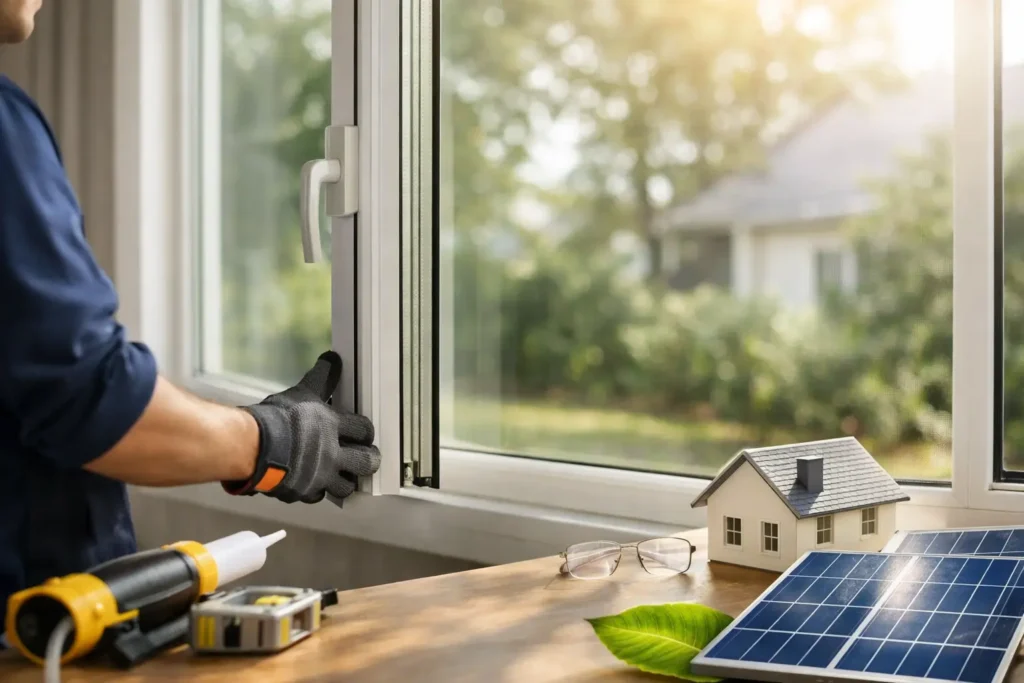
Professional installation begins with measuring each opening carefully and inspecting the surrounding frame for hidden damage. The installer should make sure the new window is level, square, and secure, then insulate and seal the opening using methods appropriate for the home. Exterior details must direct water away from the window, while interior work should leave the opening clean and finished.
This is why the lowest window quote is not always the best value. A price that leaves out proper preparation, trim work, disposal, or water-management details can become expensive later. Ask what is included in the scope of work and how the crew will handle any damaged wood or unexpected conditions found after the old window is removed.
Choosing Window Styles for Comfort and Daily Use
Efficiency should not force you to compromise on how your windows function. The style of the window affects ventilation, cleaning, security, and the appearance of the home.
Double-hung windows remain a practical choice for many traditional North Carolina homes. They offer a familiar look and can provide ventilation from either sash. Casement windows seal tightly when closed and can be an excellent option where homeowners want a wide opening and unobstructed views. Sliding windows work well in certain spaces, while picture windows bring in abundant light without operable components.
Consider how you use the room before choosing a style. A kitchen window above a countertop may be easier to operate as a casement. A bedroom window should support safe egress where required. A large living-room opening may call for a fixed picture window paired with operable side windows for airflow. The right arrangement balances performance with everyday convenience.
Questions to Ask Before Replacing Windows
A clear in-home estimate should make the project easier to understand. Before selecting a product, ask how the contractor will evaluate each opening, what glass package is recommended, and why it fits your home. Confirm whether the quote includes removal and disposal of old windows, exterior and interior trim work, insulation, caulking, cleanup, and a plan for addressing damaged framing if it is discovered.
It is also wise to discuss warranty coverage for both the product and the installation. Review the expected project schedule, how the work area will be protected, and who will communicate with you if a question arises during the job. Home improvement projects go more smoothly when expectations are clear before work begins.
For homeowners planning a larger exterior update, coordinating windows with siding, doors, gutters, or trim can create a more consistent finished look. It may also reduce the chance of reworking newly completed materials later.
A Better Window Project Starts With the Right Assessment
Energy efficient replacement windows can improve a home’s comfort immediately, but their long-term value depends on choosing a suitable product and having it installed with care. The best solution is not always the most expensive glass package or the trendiest frame color. It is the window system that fits your home’s conditions, your daily needs, and your investment goals.
A professional assessment gives you the chance to discuss problem rooms, sun exposure, window styles, and installation details before making a decision. Carolina Improvements helps North Carolina homeowners turn those concerns into clear recommendations and quality workmanship, so the finished windows look right, operate properly, and provide comfort season after season.