
A loose siding panel after a heavy rain may look like a small exterior issue. Over time, however, gaps, cracks, and failing seams can give moisture a path behind your home’s protective exterior. For homeowners considering vinyl siding replacement Greensboro projects, the goal is more than a fresh appearance. It is a practical investment in protecting the structure, improving comfort, and restoring confidence in the way your home looks.
Vinyl siding remains a popular choice for North Carolina homes because it offers dependable protection with relatively low maintenance. The right replacement project starts by identifying what has failed, checking the condition of the wall beneath the old siding, and selecting materials that suit the home rather than simply covering up a problem.
When Vinyl Siding Replacement Makes Sense
Some siding concerns can be addressed with a limited repair. A single panel damaged by a lawn mower, a small area of loose trim, or a localized issue after a storm may not require replacing every wall. The challenge is that older siding can fade over time, making a new panel noticeably different from the existing finish. More importantly, isolated visible damage can sometimes point to moisture or installation issues that extend beyond that one spot.
Replacement is often the better long-term choice when siding is cracked in several places, warped from heat, brittle with age, repeatedly coming loose, or showing widespread fading. Buckling panels also deserve attention. Vinyl expands and contracts as temperatures change, but panels that were installed too tightly or damaged by heat can lose their proper fit and appearance.
Homeowners should also watch for signs that water may be getting where it should not. Staining, soft spots around windows and doors, peeling interior paint, mildew near exterior walls, or recurring moisture concerns call for a closer inspection. Siding is part of a larger protection system that includes house wrap, flashing, trim, gutters, windows, and roofing. Replacing the siding without addressing water-management details can leave the real problem in place.
What a Professional Siding Project Should Address
Quality vinyl siding replacement in Greensboro begins with an in-home assessment, not a quick measurement and a one-size-fits-all quote. A contractor should evaluate the siding itself, but also inspect transitions around windows, doors, corners, rooflines, and wall penetrations. These are the areas where careful installation matters most.
Once old siding is removed, the wall surface can be evaluated for rot, damaged sheathing, or other conditions that were hidden from view. Necessary repairs should be discussed clearly before new siding covers the area. This step protects the durability of the finished project and helps prevent expensive surprises later.
Proper flashing is another essential detail. Flashing directs water away from vulnerable joints at windows, doors, and roof intersections. A clean-looking siding job can still perform poorly if flashing or weather protection is incomplete. Skilled installers also allow vinyl panels to move naturally with seasonal temperature changes. Panels should be secure without being nailed so tightly that they cannot expand and contract.
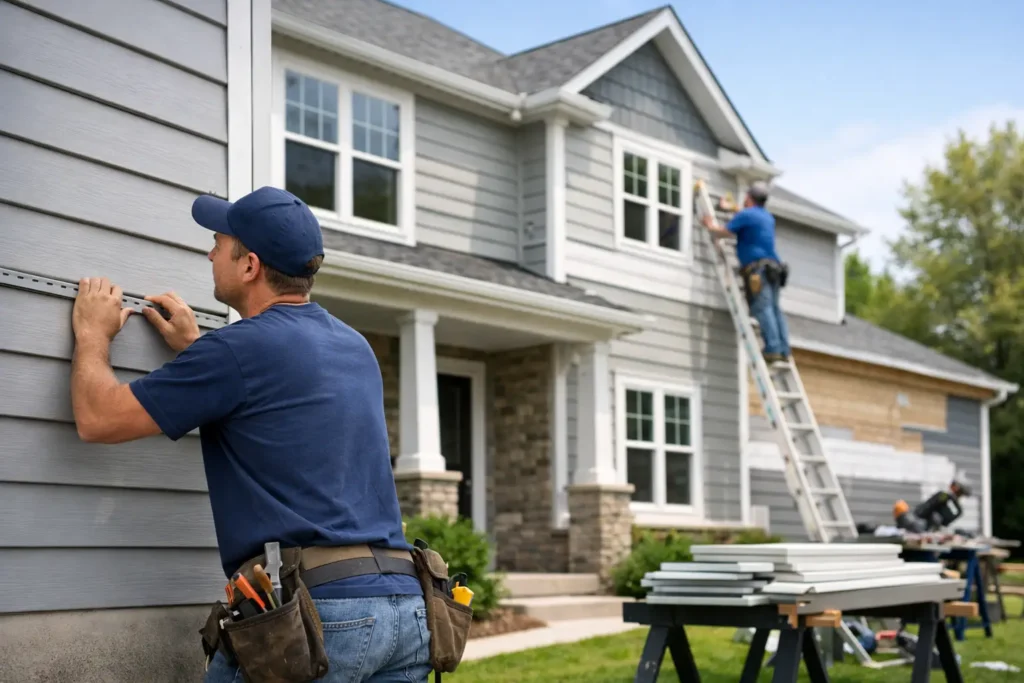
The final result should include crisp trim work, straight courses, neatly finished corners, and a clean job site. Those details are visible from the street, but they also reflect the care used throughout the installation.
Choosing Vinyl Siding for a Piedmont Triad Home
Vinyl siding offers a strong balance of cost, appearance, and upkeep for many homeowners. It does not need to be painted, and routine cleaning with a garden hose and a soft brush is often enough to keep it looking well cared for. Modern options offer a wide range of colors, profiles, and trim combinations, allowing homeowners to update a traditional exterior or give a newer home more character.
Material quality matters. Thicker panels generally provide better resistance to everyday impacts and can create a more substantial appearance. The profile matters as well. Traditional horizontal lap siding is a familiar choice, while vertical siding, board-and-batten accents, shakes, and decorative trim can add visual interest without overwhelming the home.
Color deserves careful thought. A color that complements the roof, brick, stone, windows, and nearby homes will usually age better than a color selected in isolation. Darker colors can look striking, but they may show dust or surface marks more readily. Lighter colors can make a home feel larger and are often an easy fit for classic architecture. A detailed estimate and material samples make it easier to compare these choices before work begins.
Insulated vinyl siding may also be worth discussing. It can add a layer of rigidity and help reduce thermal bridging through exterior wall studs. It is not a substitute for adequate wall insulation or air sealing, and energy savings vary by home. Still, it can be a practical option when comfort, noise reduction, and a more solid siding profile are priorities.
Replacement Siding and the Rest of Your Exterior
Siding rarely exists as a stand-alone decision. If replacement windows are nearing the end of their service life, completing them before new siding can help create cleaner transitions and avoid disturbing finished siding later. The same planning applies to damaged fascia, aging gutters, porch trim, or roofing concerns near a wall intersection.
That does not mean every exterior project must happen at once. A dependable contractor can help you prioritize based on active damage, budget, and the condition of each component. Sometimes siding is urgent because water is getting behind it. In other situations, the best approach is to replace siding now and plan windows or gutters for a later phase.
Working with one licensed and insured home improvement provider can make coordination easier when multiple systems are involved. Carolina Improvements helps homeowners evaluate broader exterior needs while keeping the project organized, communicating clearly, and using quality materials made in the USA.
Questions to Ask Before You Approve an Estimate
A siding estimate should give you enough information to make a confident decision. Price matters, but it should not be the only comparison point. Ask what siding product and trim materials are included, how damaged wood or sheathing will be handled, and whether flashing and weather protection are part of the scope.
It is also reasonable to ask how the crew will protect landscaping, manage debris, and clean the property at the end of each workday. Replacement siding creates a significant amount of removed material, and a professional plan for the work site makes a real difference for homeowners.
Clarify the project schedule, warranty coverage, payment terms, and any conditions that could affect the final price. A detailed quote does not eliminate every possibility of hidden damage, but it makes the process more transparent. Free in-home estimates give homeowners an opportunity to ask these questions face-to-face and understand the recommendations before committing.
Caring for New Vinyl Siding
Vinyl siding is low maintenance, not no maintenance. Inspect it each spring and after major storms for loose panels, cracks, shifted trim, or damage around exterior fixtures. Keep shrubs and tree branches trimmed back so they do not rub against the siding, and avoid placing grills or high-heat equipment too close to exterior walls.
For cleaning, use a soft cloth or soft-bristle brush with a mild cleaning solution appropriate for vinyl. Avoid abrasive tools and harsh chemicals that may damage the finish. If you notice staining, persistent mildew, or a section that no longer sits flat, have it evaluated before a minor concern becomes a moisture issue.
A well-planned siding replacement gives your home a finished appearance, but its greater value is the protection behind that appearance. When you are ready to assess worn or damaged siding, start with a careful inspection and a clear estimate that puts the condition of your home first.