
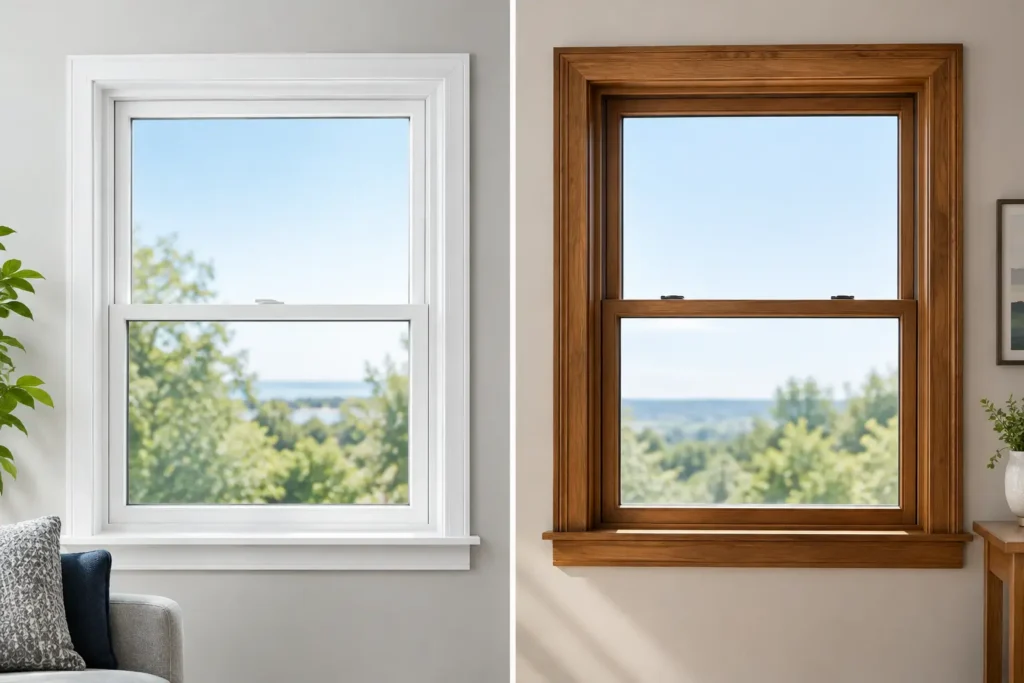
A window replacement decision often comes down to one question: will vinyl windows versus wood windows make the better long-term fit for your home? Both can improve comfort, curb appeal, and energy performance when they are properly selected and professionally installed. The right choice depends on your home’s style, your maintenance expectations, your budget, and what you want the project to accomplish over time.
For many North Carolina homeowners, vinyl is the practical choice for low-maintenance performance. Wood remains a strong option when authentic character, custom details, or historic accuracy matter most. Looking beyond the initial price helps make the decision clearer.
Vinyl Windows Versus Wood Windows at a Glance
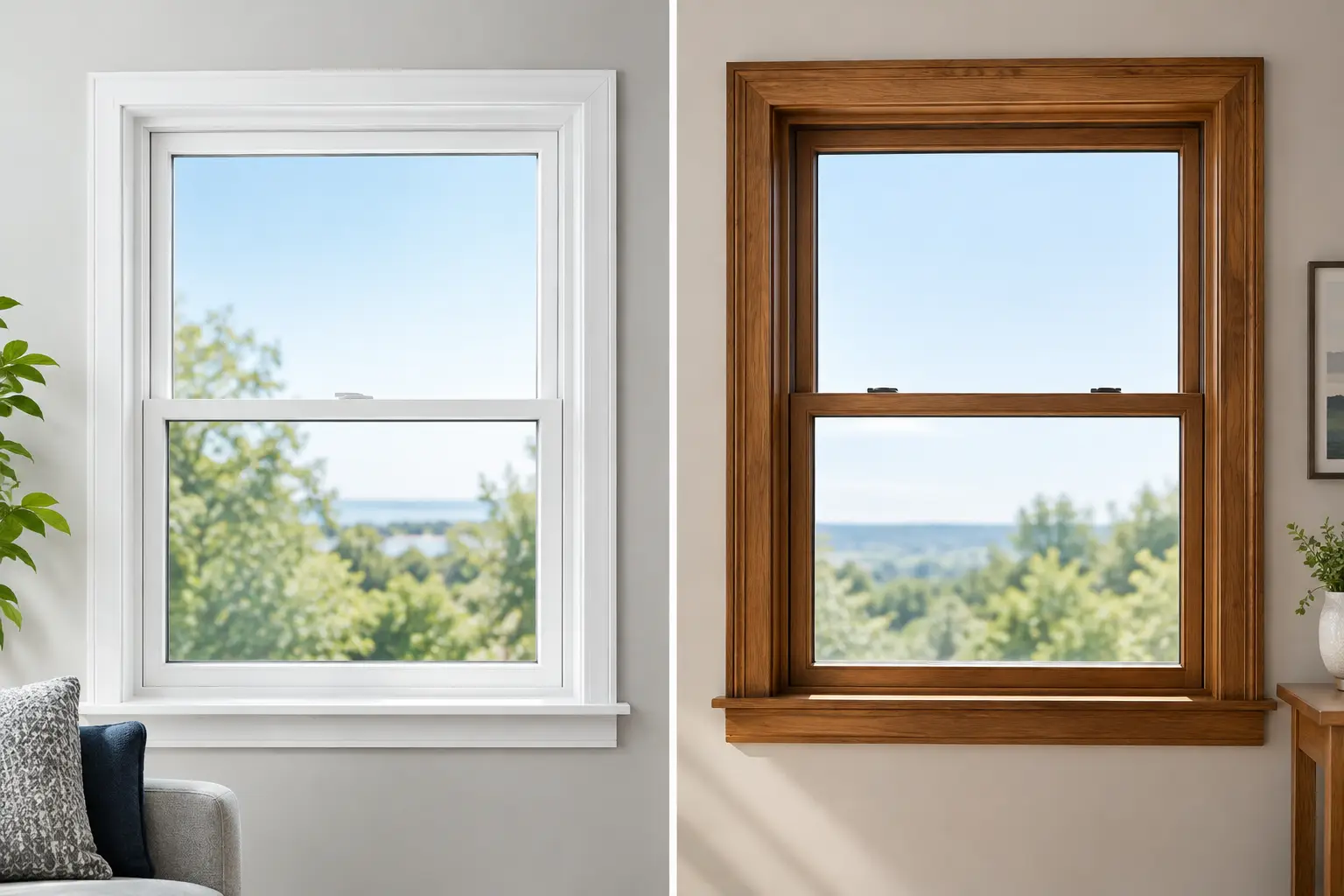
Vinyl replacement windows use frames made primarily from PVC. They are designed to resist moisture, do not require painting, and are available in many common styles, including double-hung, casement, sliding, picture, bay, and bow windows. Quality vinyl windows typically use insulated frames, weatherstripping, and energy-efficient glass packages to help control heat transfer and drafts.
Wood windows use real wood frames and sashes, giving them a warm, traditional appearance that is difficult to duplicate. They can be painted or stained in a wide range of colors, repaired when minor damage occurs, and customized to suit detailed architectural styles. They do, however, need regular protection from sun and moisture.
Neither material is automatically better for every house. A well-built vinyl window will usually outperform a poorly made or poorly installed wood window. The same is true in reverse: a high-quality wood window may be the appropriate investment for a home where architectural details are central to its value and appearance.
Cost: Initial Price and Ownership Costs
Vinyl windows generally cost less than comparable wood windows. Their materials and manufacturing process are more standardized, which can make them an attainable choice for homeowners replacing several windows at once. That lower entry cost can leave room in the project budget for upgraded glass, additional windows, new exterior trim, or other needed improvements.
Wood windows usually carry a higher purchase and installation price, especially for custom sizes, divided-light patterns, specialty shapes, or stain-grade interiors. The price may be worthwhile for a historic home, a high-end renovation, or a property with existing wood millwork that you want to match.
It is also smart to consider the cost after installation. Vinyl typically needs only routine cleaning and occasional inspection of moving parts and weatherstripping. Wood needs ongoing attention, including repainting or refinishing as coatings wear. If moisture reaches unprotected wood, repairs can become more involved.
Maintenance in North Carolina’s Climate
North Carolina weather puts every exterior material to work. Summer heat and humidity, heavy rain, seasonal pollen, and occasional freezing temperatures can all affect window frames and finishes.
Vinyl’s strongest advantage is its low-maintenance surface. It will not rot, peel, or need repainting. Homeowners can usually keep vinyl frames looking clean with mild soap, water, and a soft cloth. Dark-colored vinyl frames can absorb more heat, so selecting a quality product designed for the desired color and climate is important.
Wood requires more hands-on care, but it can last for decades when maintained properly. Painted exterior surfaces should be checked regularly for cracking, peeling, and failed caulk joints. Areas exposed to frequent rain or intense sun may need attention sooner than protected elevations. Keeping gutters, flashing, siding, and exterior trim in good condition also helps protect wood windows from water intrusion.
For homeowners who want a wood interior without as much exterior upkeep, clad wood windows may be worth discussing. These windows pair a wood interior with a protective exterior cladding, often aluminum or fiberglass. They can offer the look of wood indoors while reducing exposure to the elements outside, although they are usually priced above standard vinyl options.
Energy Efficiency Depends on More Than the Frame
Window efficiency is not determined by frame material alone. The glass package, number of panes, low-emissivity coatings, gas fills, spacer system, weatherstripping, and installation quality all affect comfort and energy use.
Modern vinyl frames often include multiple internal chambers that improve insulation. Combined with efficient glass, they can be an excellent choice for reducing drafts and helping rooms stay more comfortable through hot summers and cooler winter nights. Vinyl does not conduct heat as readily as metal, which is another practical benefit.
Wood is naturally insulating as well. A quality wood window can provide strong energy performance, particularly when paired with modern insulated glass. The concern is not that wood is inefficient. The concern is maintenance: deteriorated paint, failed seals, warped components, or gaps around an older wood window can reduce performance quickly.
Professional installation matters just as much as the window itself. A replacement window must be properly measured, leveled, insulated, sealed, and finished to help prevent air and water leaks. Even an energy-efficient window cannot perform as intended if the opening has hidden rot, damaged framing, or poor flashing that goes unaddressed.
Appearance and Architectural Fit
Wood has a clear advantage when a home needs genuine grain, rich stain colors, or finely detailed profiles. It is often the preferred material for traditional homes, historic properties, craftsman-style homes, and renovations where original woodwork remains a defining feature. It can also be shaped and customized more easily for certain specialty applications.
Vinyl has come a long way in appearance. It is available in white, neutral colors, exterior color options, and finishes that work well with many ranch, colonial, contemporary, and newer construction homes. Still, vinyl profiles are generally thicker than wood profiles, and some homeowners may notice that difference in homes with narrow historic sightlines or highly detailed trim.
Consider the windows from both inside and outside. If your priority is a clean, reliable exterior with very little maintenance, vinyl may be the right match. If you are restoring a room with stained trim, original casings, or period details, wood may deliver the more cohesive result.
Durability and Repair Considerations
Vinyl holds up well against moisture and insects, which is valuable in humid areas. It will not rust or rot, but it can crack under a severe impact and is not typically repaired in the same way wood can be. If a frame is significantly damaged, replacement is often the practical solution.
Wood can be repaired, patched, sanded, and refinished by a skilled professional. That repairability is one reason it remains appealing for older homes. However, wood’s durability depends on keeping it sealed and dry. Persistent leaks, neglected paint, and unaddressed condensation can lead to rot that spreads beyond the window itself.
This is why an on-site evaluation is valuable before choosing materials. A contractor should inspect the existing frames, exterior trim, siding connections, and surrounding wall area rather than simply replacing the visible window unit.
Which Window Is Right for Your Home?
Choose vinyl when you want dependable performance, a lower initial investment, and minimal maintenance. It is especially well suited to homeowners replacing multiple windows, preparing a home for the next stage of ownership, or looking for an efficient upgrade without adding a regular painting project to the household list.
Choose wood when the home calls for authentic character, custom finishes, or a close match to existing architectural details. It can be an excellent investment for the right property, provided you are prepared to maintain the exterior finish and address small issues before they become larger repairs.
A final decision should account for window style, glass options, installation method, trim condition, and the overall condition of the home exterior. Carolina Improvements helps homeowners evaluate those details during a free in-home estimate, with clear recommendations based on the house rather than a one-size-fits-all answer.
The best replacement window is the one that fits your home, your priorities, and the level of care you want to provide in the years ahead. Start with an honest assessment of what is failing now, then choose materials that will make your home more comfortable and easier to enjoy.