

A familiar home holds more than furniture and finishes. It holds routines, neighbors, memories, and the confidence that comes from knowing where everything is. Aging in place means making thoughtful changes that help a homeowner remain safe, comfortable, and independent at home as mobility, balance, strength, or daily needs change.
The best time to plan is before a fall, illness, or urgent accessibility need forces a rushed decision. Many improvements are practical upgrades that improve everyday life for everyone in the household. A wider entry, better lighting, a safer walkway, or a low-maintenance exterior can make a home easier to enjoy now while preparing it for the years ahead.
What Aging in Place Really Means
Aging in place is not about making a home look clinical or giving up the features that make it personal. It is about reducing unnecessary obstacles and making essential spaces easier to use. The right plan is different for every house and every family.
For one homeowner, the priority may be getting from the driveway to the front door without navigating uneven steps. For another, it may be replacing a difficult-to-operate exterior door, adding a ramp, or improving lighting around a deck and patio. A family may also be planning for a parent to move in and need a more accessible entrance, finished space, or room addition.
Good planning considers the home, the homeowner, and the likely timeline. A two-story home does not automatically require a major renovation, just as a one-level home is not automatically accessible. Door widths, thresholds, flooring transitions, grades around the property, handrails, lighting, and the condition of exterior surfaces all matter.
Start With the Route Into and Around the Home
The path from the car to the front, side, or back door is often the first place to look. It should be stable, well lit, and easy to travel in wet weather. Cracked concrete, loose pavers, steep steps, and poor drainage can create risks long before someone enters the house.
A driveway or walkway repair can remove uneven areas that catch a foot, cane, walker, or wheelchair wheel. Where the property allows it, a gently sloped walk may be a better long-term solution than a series of steps. Proper grading and gutters also help direct rainwater away from traffic areas, reducing puddles, erosion, and slick surfaces.
For homes with steps at the primary entrance, an ADA-compliant ramp may provide a safer, more dependable route. The design should fit the property rather than feel like an afterthought. Length, slope, landings, handrails, drainage, and turning space all need careful attention. A ramp that is too steep or poorly placed can be difficult to use and may not meet local requirements.
Decks, porches, and patios deserve the same review. Solid railings, secure stairs, adequate lighting, and a level transition at the door make outdoor areas more usable. In North Carolina, where homeowners often spend much of the year outside, these upgrades can preserve access to a favorite porch or backyard gathering space.
Aging in Place Improvements at the Entry
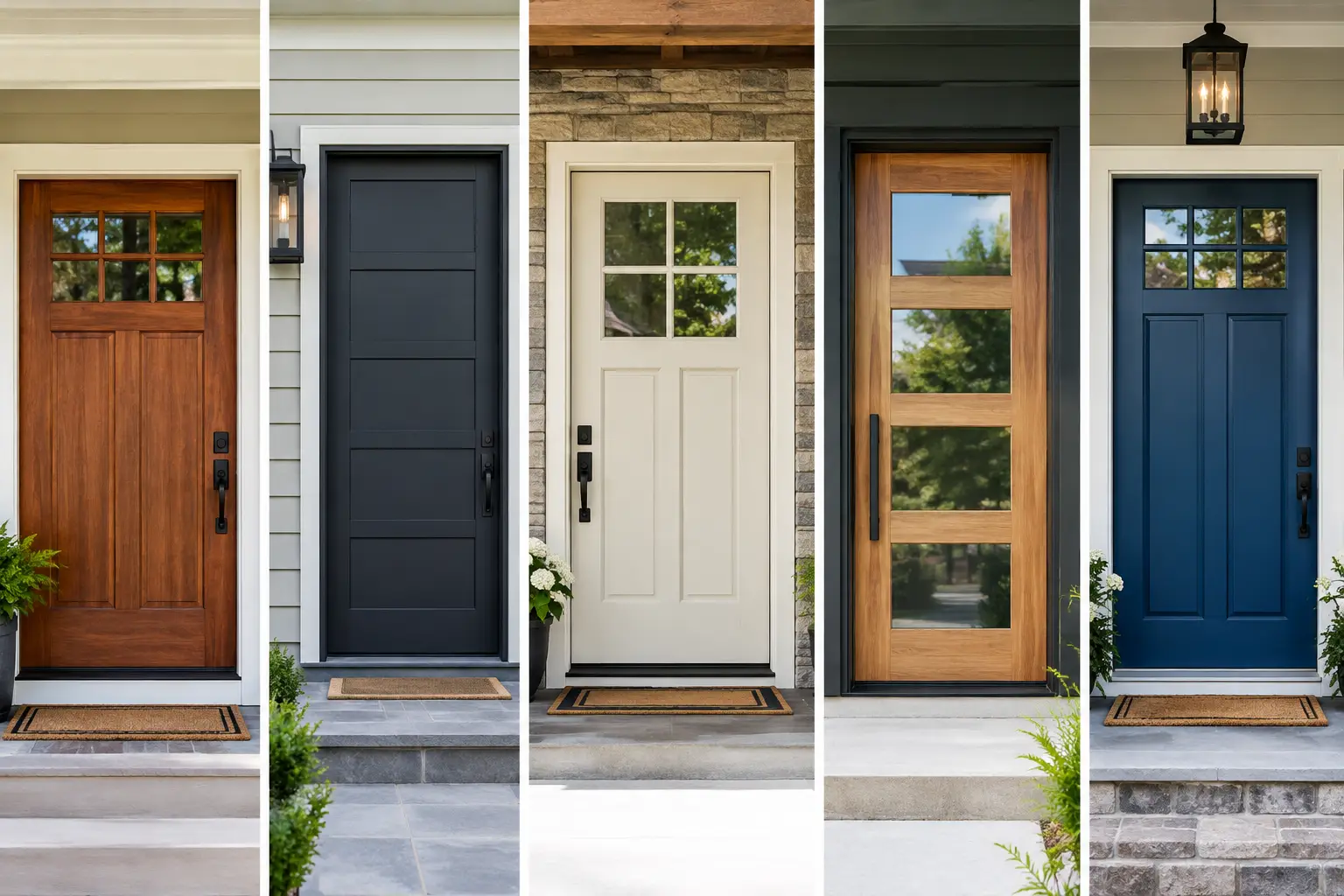
The exterior door is a small detail with a major effect on daily comfort. A door that sticks, has a high threshold, or requires significant force to open can become frustrating or unsafe. Replacement doors can be selected with easier operation, durable hardware, secure locks, and lower transitions in mind.
Doorway width is another practical consideration. A walker may fit through an opening that a wheelchair cannot. If a homeowner is already renovating an entry, room addition, or enclosed porch, it is worth discussing wider clear openings and a layout that allows room to turn and move comfortably.
Lighting should support safe movement without creating harsh glare. Bright, consistent lighting at doors, steps, pathways, garages, and carports helps homeowners see changes in elevation and identify wet or icy areas. Motion-sensor fixtures can be useful at secondary entrances and around the driveway, especially when someone arrives home after dark.
Reduce Trips and Strain Inside the House
Inside, the goal is to create clear, predictable movement from room to room. Flooring plays an important role. Loose rugs, raised transitions, curling carpet edges, and damaged boards can cause trips. A durable, level flooring surface is often easier to navigate and maintain, particularly in high-traffic spaces.
Material selection matters, but so does installation. Flooring should transition cleanly at doorways and between rooms. A homeowner who is considering new flooring should also think about slip resistance, ease of cleaning, and how the surface feels underfoot. The right choice depends on the room, the household, and the amount of natural light it receives.
Stairs need special attention. Secure handrails, consistent step surfaces, and strong lighting can improve safety. In some homes, the more practical long-term solution is to shift daily living needs to the main level. This might mean adapting an existing room, finishing usable space, or considering a room addition that supports a bedroom, sitting area, or other essential function without relying on stairs.
Not every aging in place project needs to happen at once. In fact, phased improvements are often the smartest approach. Address immediate safety concerns first, then schedule larger work as needs, budget, and household plans become clearer.
Choose Materials That Lower Maintenance Demands
Independence is not only about mobility. It is also about reducing the ongoing work required to keep a property safe and protected. A home that needs frequent ladder work, exterior repairs, or repeated cleanup can become harder to manage over time.
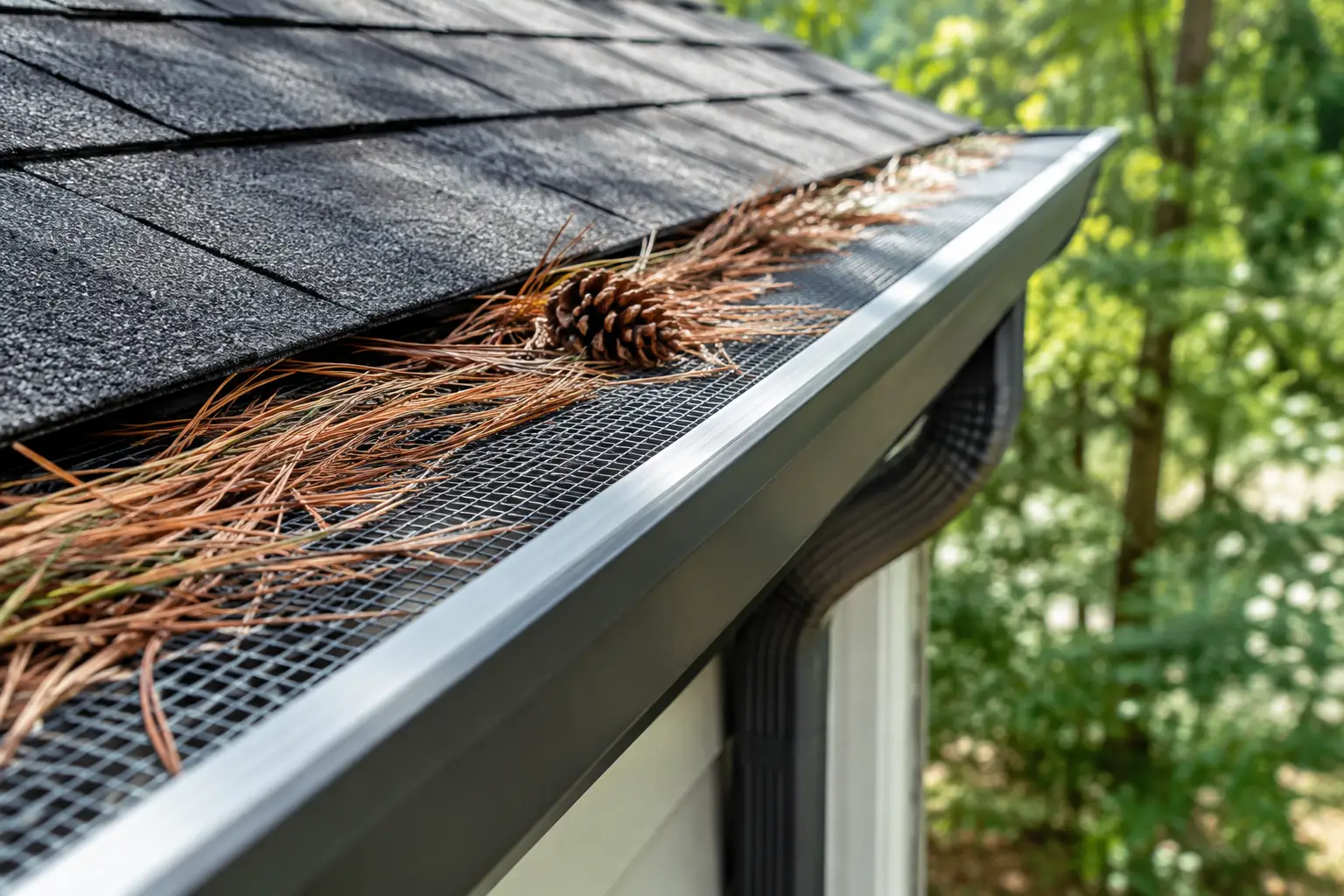
Durable siding, well-installed roofing, replacement windows, and reliable gutters help protect the structure while cutting down on recurring maintenance. No-leaf gutter systems can reduce the need to climb a ladder to clear debris. Quality exterior materials can also help homeowners avoid the disruption of frequent repairs, an especially valuable benefit for those who plan to remain in their home for many years.
This does not mean every exterior project is an accessibility project. A new roof will not change the height of a front step. But property protection and accessibility work well together when they are planned as part of a long-term home investment. For example, correcting drainage while rebuilding a walkway can protect the foundation and improve footing at the same time.
Plan the Project Around Real Needs
A useful aging in place plan starts with honest questions. Which entrance does the household use most often? Are there places where someone holds onto a wall, furniture, or door frame for support? Is the driveway-to-door route safe during heavy rain? Could an overnight guest, caregiver, or family member move comfortably through the home?
It also helps to think ahead without assuming the worst. Some homeowners are planning for a current mobility challenge. Others simply want to make choices that keep options open. Both are valid reasons to improve a home.
A professional in-home assessment can turn broad concerns into a workable scope. Measurements, property grade, drainage patterns, existing structural conditions, and local permit requirements all affect what can be built. A detailed quote should explain the recommended work clearly, including materials, installation considerations, and any options that may better fit the budget.
For larger projects, working with one licensed and insured contractor can reduce the burden of coordinating separate crews. Carolina Improvements helps homeowners across the Piedmont Triad and surrounding communities evaluate practical upgrades such as ramps, decks, doors, concrete work, flooring, garages, and additions with a focus on durable workmanship and clear communication.
A Home That Continues to Work for You
The strongest aging in place improvements do not call attention to themselves every day. They simply make it easier to come home, move through the house, enjoy the porch, and handle daily routines with greater confidence. Start with the places that create the most friction now, then build a plan that lets your home support the life you want to keep living there.