
A window can look great in a showroom and still disappoint once it is installed in your home. Drafts, difficult operation, condensation, and water intrusion often come down to product selection, measurements, and installation details – not simply the brand name on the frame. This window installation buyer guide will help North Carolina homeowners make a confident choice based on comfort, durability, appearance, and long-term value.
Start With the Reason You Need New Windows
The right replacement window depends on what your current windows are failing to do. Some homeowners are dealing with rooms that stay hot in summer or cold in winter. Others have windows that stick, frames with visible rot, fogged glass, or water stains around the opening. Curb appeal, noise reduction, and easier cleaning can also be worthwhile reasons to replace windows.
Be specific about the problem during an in-home estimate. If the concern is a draft in one bedroom, the solution may differ from a whole-house project focused on improving energy efficiency and appearance. A professional assessment should also identify whether moisture is coming through the window itself, around the exterior trim, or from another part of the wall or roof system.
Replacement windows are a meaningful investment, so it helps to decide what matters most before comparing quotes. You may prioritize preserving the character of an older home, reducing utility costs, making windows easier to open, or choosing a low-maintenance material. There is rarely one best window for every home.
Choose a Window Style That Works Every Day
Style affects more than appearance. It changes ventilation, cleaning access, sightlines, and how the room functions.
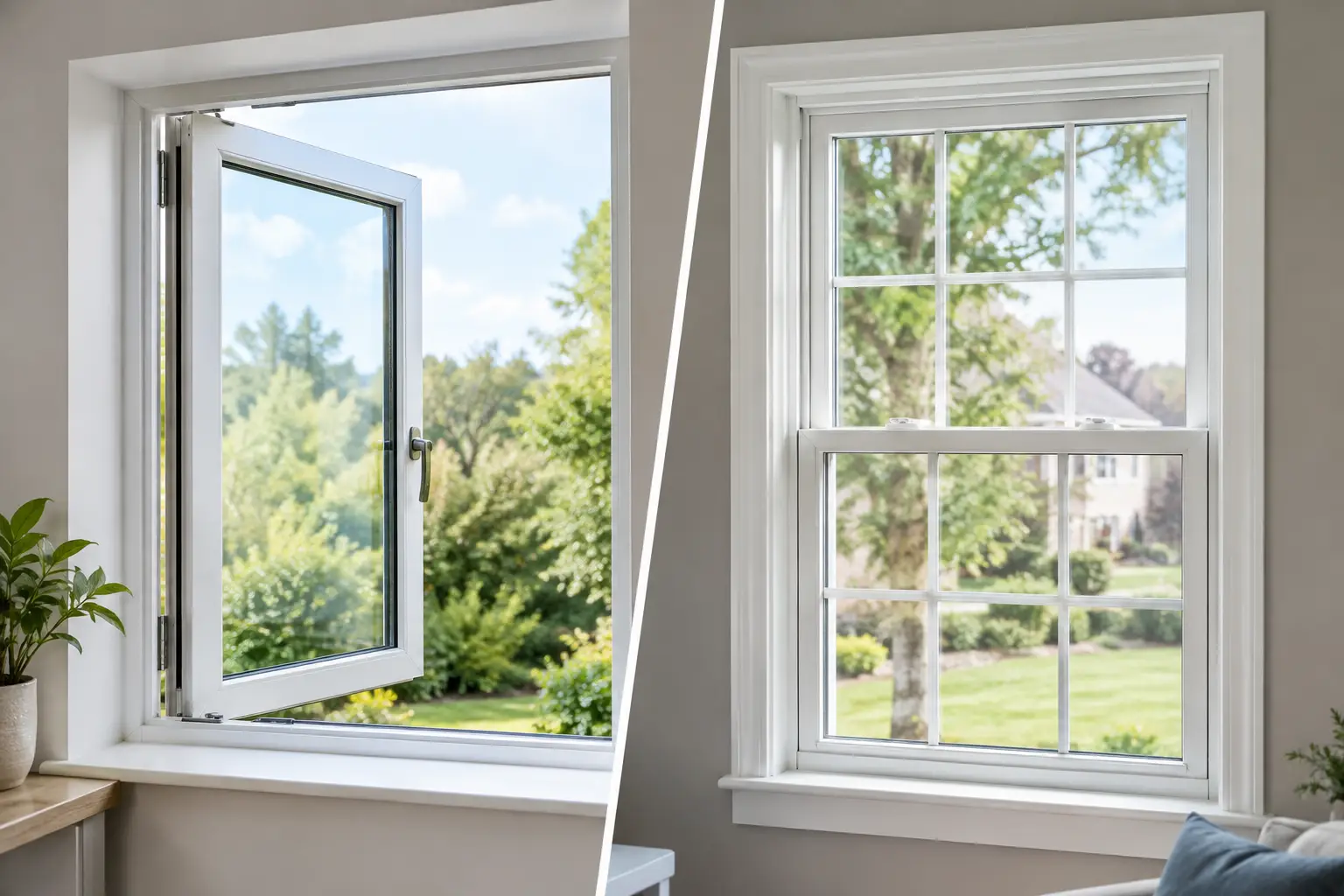
Double-hung windows remain a familiar choice for many North Carolina homes. Both sashes can move, which allows flexible ventilation, and tilt-in designs can make cleaning easier from indoors. They work well in bedrooms, living areas, and traditional home styles.
Casement windows hinge at the side and crank outward. When closed, they can create a tight seal, making them a strong option for energy-conscious homeowners. They are especially useful over kitchen counters or in locations where reaching a double-hung sash would be inconvenient. Keep in mind that an outward-opening sash needs clear space outside.
Sliding windows are practical for wide openings and can suit contemporary or ranch-style homes. Picture windows offer broad views and abundant daylight but do not open for ventilation. Many homeowners pair a picture window with operable windows on one or both sides to get both light and airflow.
Bay and bow windows add dimension to a room, while garden windows can bring more light to a kitchen. These specialty options require careful structural planning and weatherproofing. Their visual impact can be excellent, but they generally cost more than standard replacement units.
Compare Frame Materials Without Chasing the Lowest Price
Vinyl replacement windows are popular because they are low maintenance, resist moisture, and are available at a range of price points. Quality varies, however. Look beyond color and profile shape to consider frame strength, welded corners, weatherstripping, and the overall construction of the unit.
Fiberglass windows can offer excellent strength and stability, particularly when temperatures change through the seasons. They often carry a higher initial cost but may be a good fit for homeowners who want a durable, refined option with slim sightlines.
Wood windows provide a classic look that can be appropriate for certain architectural styles, but they require ongoing maintenance to protect against moisture and decay. Composite options may provide a wood-like appearance with reduced maintenance. The best choice depends on the home, the budget, and how much upkeep you are willing to take on.
Ask where the products are made and what materials are used in their construction. Carolina Improvements uses products made in the USA, helping homeowners select quality materials suited for lasting residential projects.
Understand Glass Packages and Energy Performance
The glass package can have as much influence on comfort as the frame. A basic insulated glass unit uses two panes with a sealed airspace between them. Higher-performance options may include low-emissivity, or Low-E, coatings and insulating gas between panes.
Low-E coatings help manage heat transfer through the glass. In North Carolina, where summer heat and humidity are real concerns, this can help reduce solar heat gain while still allowing natural light into the home. The ideal coating can vary based on window orientation. Large west-facing windows, for example, may need more protection from afternoon sun than shaded north-facing windows.
Pay attention to the whole-window performance rating, rather than focusing only on the glass. The U-factor indicates how well the complete window resists heat loss, with lower numbers generally indicating better insulation. Solar heat gain coefficient measures how much solar heat enters through the window. Lower values can be helpful in sunny areas, but very low solar gain is not automatically right for every room.
A qualified contractor can explain these ratings in plain language and recommend an option that fits your house. The goal is not to buy the most complicated glass package available. It is to choose a window that makes your rooms more comfortable and supports reasonable energy use.
Installation Quality Is Part of the Product
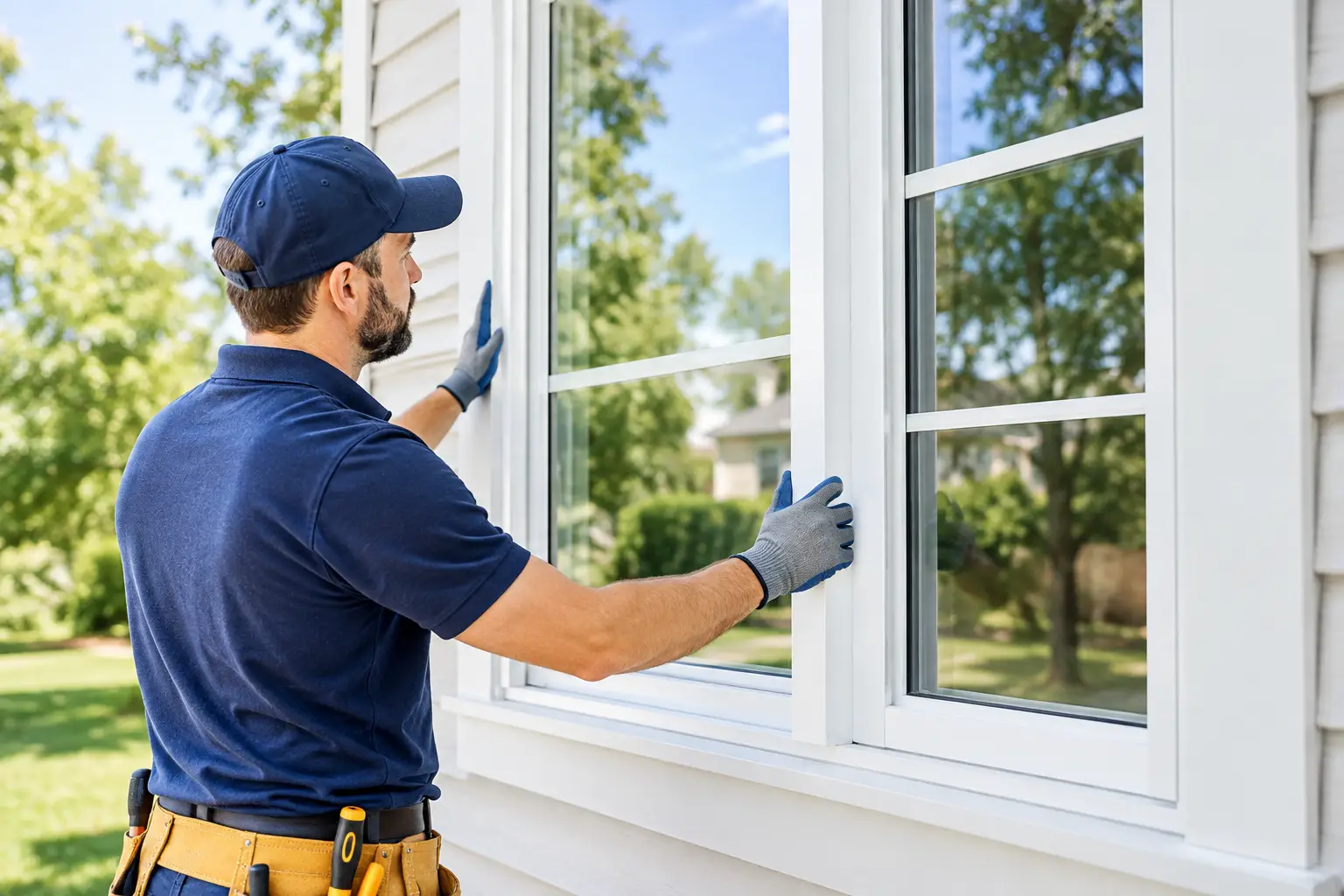
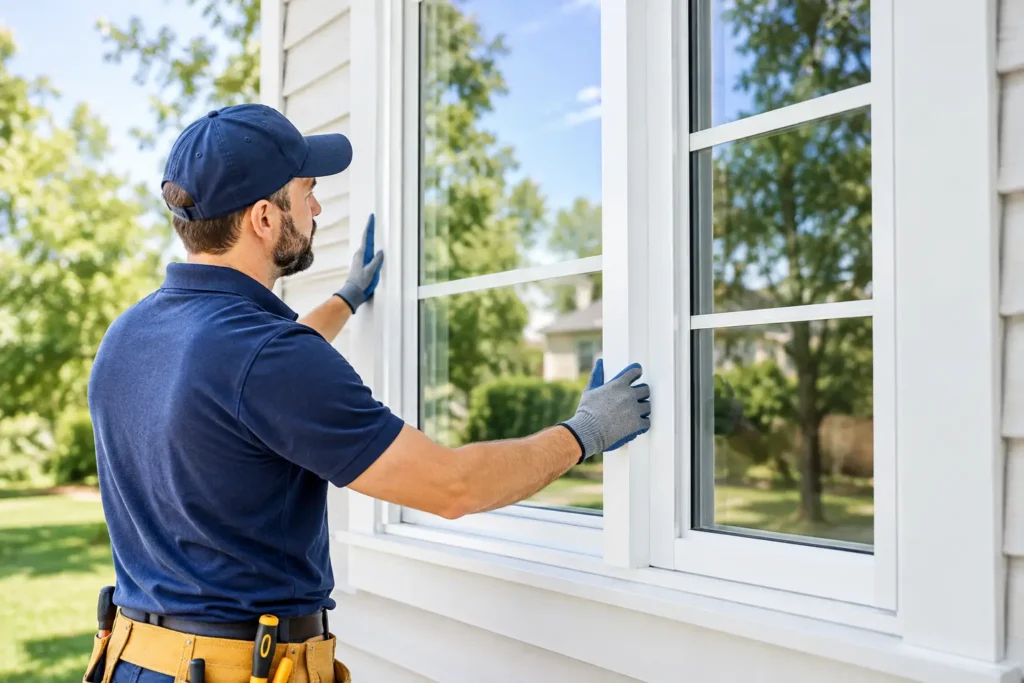
A well-built window cannot perform as intended if it is poorly installed. Accurate measuring is the first step. The installer must account for the existing opening, wall condition, trim details, and how the new unit will be sealed against wind-driven rain.
During installation, the old window should be removed carefully, and the opening should be inspected for hidden damage. Rotting wood, failed flashing, or water-damaged sheathing should be addressed before the new window is enclosed. Covering up a problem may make the project look finished for a while, but it does not protect the home.
Proper insulation and exterior sealing matter, but more caulk is not always better. Windows need to be installed in a way that manages water and allows the unit to operate correctly. Interior and exterior trim should be finished neatly, and the work area should be kept clean throughout the project.
For this reason, comparing window quotes based only on the bottom-line number can be misleading. One proposal may include higher-quality installation details, trim work, disposal, repairs to damaged areas, and a clearer warranty process. Ask each contractor to explain exactly what is included.
Questions to Ask Before You Sign
A trustworthy window contractor should make the buying process understandable, not pressure you into a quick decision. Ask whether the company is licensed and insured, who will perform the installation, and how the crew will protect your home and landscaping.
Also ask whether the estimate identifies the window manufacturer, frame material, glass package, style, color, hardware, screens, and any grids. A detailed written scope reduces surprises later. If your project involves an unusual opening, structural repairs, or a bay window, ask how those conditions will be evaluated and priced.
Warranty coverage deserves a close look. Manufacturer warranties often cover certain product defects, while workmanship warranties address the installation itself. Find out who handles service if a sash needs adjustment, a glass seal fails, or a problem appears after the crew has left.
Finally, discuss timing and payment terms. A clear schedule is helpful, but weather, custom manufacturing, and the discovery of concealed damage can affect the timeline. Financing may make a larger project more manageable for qualified homeowners, but compare the full terms before deciding.
A Practical Window Installation Buyer Guide for Your Quote
When reviewing estimates, look for value rather than a single number. A lower quote can make sense if the product and scope are genuinely comparable. It can also signal that key work has been left out. Compare the quality of the window, the glass package, installation method, trim and finish details, warranty coverage, and the contractor’s ability to communicate throughout the job.
If you are replacing windows because of visible leaks or rot, do not delay an inspection. Water damage can spread behind siding and trim, creating a larger repair than the window project itself. On the other hand, if your windows are functional but dated, you have time to compare styles and performance options carefully.
The best window project should leave your home quieter, more comfortable, easier to maintain, and better protected from the weather. Start with an in-home assessment, ask direct questions, and choose a contractor who treats the work around the window with the same care as the window itself.