
A window that sticks, leaks air, or will not stay open can make a room frustrating to use. When planning replacement windows, the choice often comes down to casement versus double hung windows. Both are dependable, attractive options, but they operate differently and can change how a room feels, ventilates, and looks from the street.
For North Carolina homeowners, the right choice depends on more than appearance. Summer humidity, seasonal pollen, driving rain, room layout, and the style of the home all deserve consideration. Understanding the practical differences before selecting a window style helps you invest in comfort and lasting value.
Casement Versus Double Hung Windows: The Core Difference
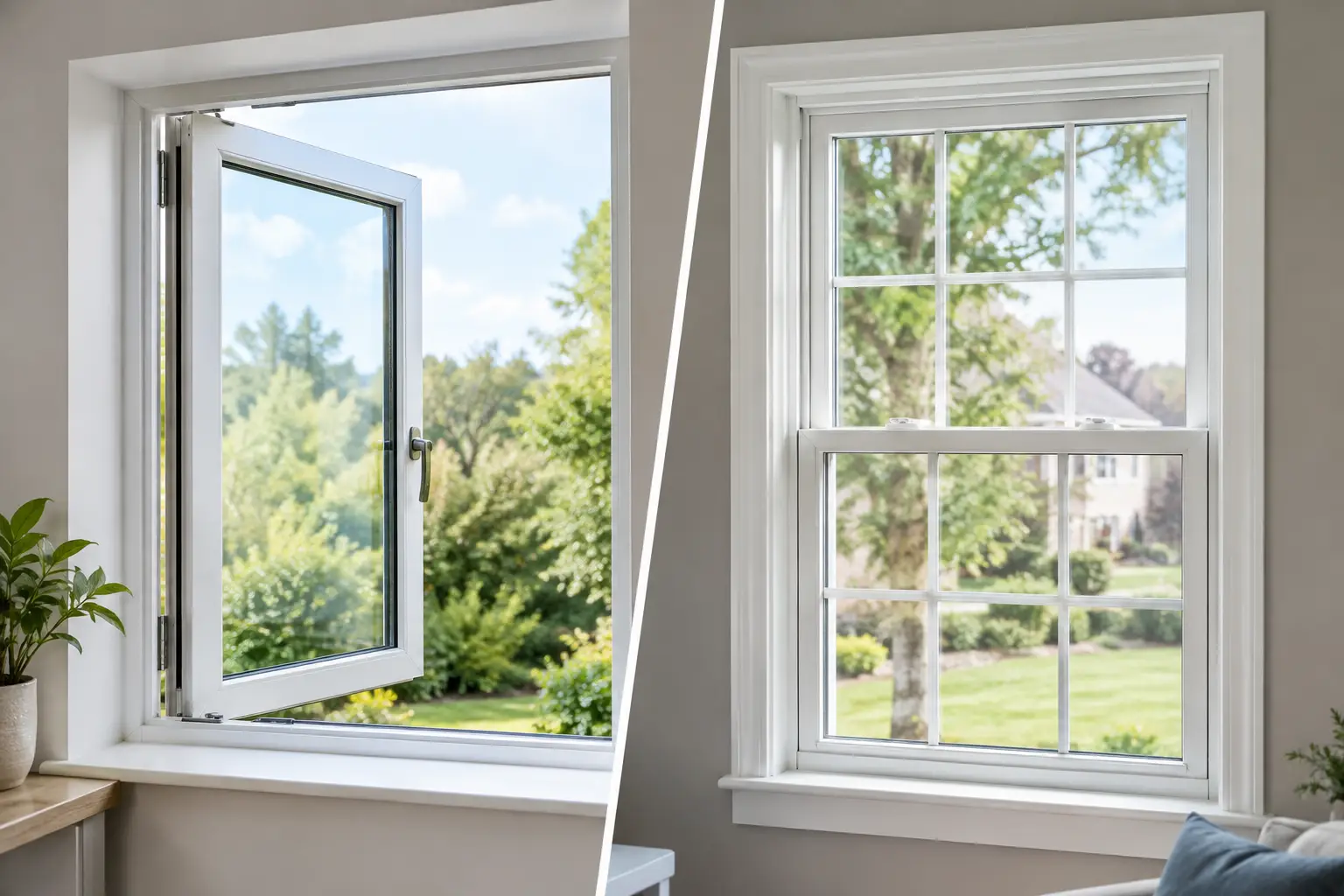
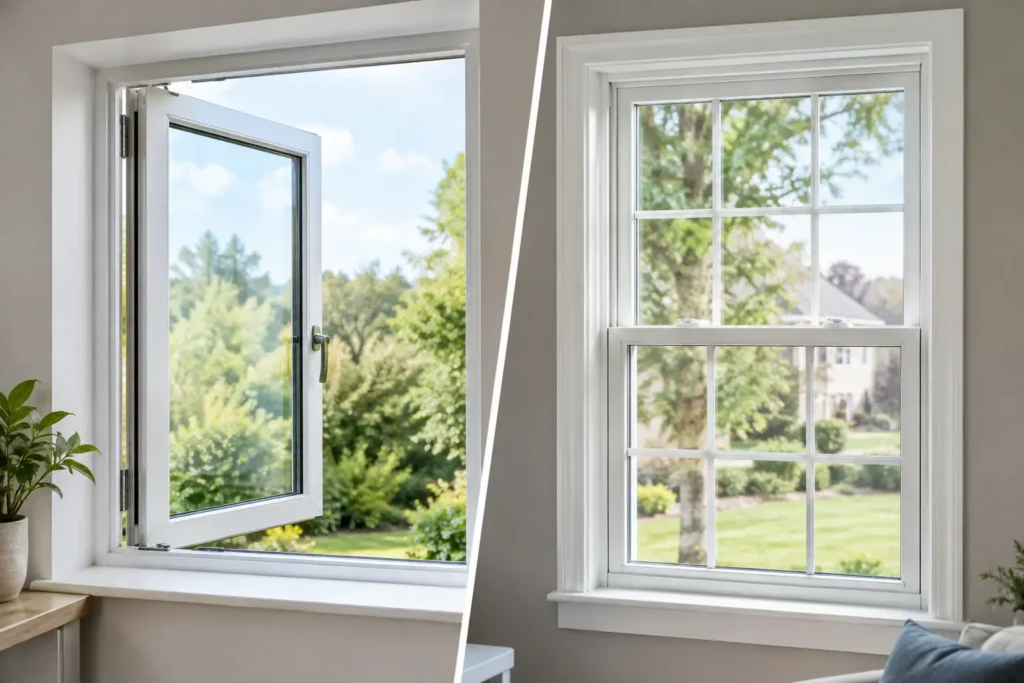
A casement window is hinged on one side and opens outward with a crank handle. It works much like a door, creating a wide opening when fully extended. Casement windows are commonly installed as a single sash or in paired configurations, often with a fixed picture window between them.
A double hung window has two vertically moving sashes. The lower sash slides upward, the upper sash slides downward, and many modern replacement models allow both sashes to tilt inward for cleaning. This familiar style is a popular fit for traditional homes, colonial designs, cottages, and many newer homes throughout the Piedmont Triad.
Neither style is automatically better. The best window is the one that performs well in its location, supports the way your household uses the room, and complements the home’s architecture.
Airflow and Everyday Comfort
Casement windows have a clear advantage when the goal is maximum airflow. Since the entire sash swings outward, the opening is generally larger than the opening of a double hung window of the same overall size. The open sash can also help catch passing breezes and direct them inside.
That makes casement windows especially useful in kitchens, bathrooms, laundry rooms, and rooms that tend to feel warm or humid. A crank-operated design is also convenient over a kitchen counter or other hard-to-reach area where lifting a sash would be awkward.
Double hung windows still provide flexible ventilation. Opening the bottom sash lets cooler air enter, while opening the top sash allows warmer indoor air to escape. On mild spring and fall days, opening both sashes can create comfortable circulation without running the air conditioner.
For a bedroom or living room with several windows, double hung units often provide plenty of ventilation. For a single window that needs to do more work, such as one in a small bathroom, a casement may be the more effective choice.
Energy Efficiency and Weather Protection
Both window styles can deliver strong energy performance when they are quality products sized and installed correctly. Glass package, frame material, weatherstripping, insulation around the opening, and installation quality all affect the result. A poorly installed premium window will not perform as intended.
Casement windows are known for their tight seal. When closed and locked, the sash presses against the frame weatherstripping, which can reduce air leakage. This is one reason homeowners often consider casements for rooms exposed to prevailing winds or frequent weather changes.
Double hung windows have more moving parts and sliding contact points, but modern replacement models can still offer excellent weather resistance. Quality balances, interlocks, weatherstripping, and secure locks make a meaningful difference. For North Carolina homes dealing with humid summers and chilly winter mornings, energy-efficient glass and professional installation matter at least as much as the operating style.
A contractor should evaluate the full opening rather than simply fitting a new window into an old problem. Damaged trim, rot around the frame, water intrusion, or gaps in the surrounding structure need attention before installation is complete.
Cleaning, Screens, and Maintenance
Double hung windows are often the simpler choice for upper-level cleaning. Tilt-in sashes allow homeowners to clean much of the exterior glass from indoors, reducing the need for a ladder. This feature is especially helpful for second-story bedrooms and areas above landscaping.
Casement windows can also be easy to clean from inside when the crank opens the sash wide enough to reach the outer glass. However, access depends on the window’s location and how far it opens. A second-story casement in a tight location may require more planning for exterior cleaning.
Screens work differently as well. Double hung window screens are normally installed on the outside of the lower portion of the window. Casement screens are installed on the interior because the sash swings outward. Interior screens are easy to remove for cleaning, but they are another detail to consider if the window is behind blinds or curtains.
Both styles need occasional basic care. Keep tracks, sills, and weep holes clear of dirt and debris. Check weatherstripping periodically, clean the glass with appropriate products, and avoid forcing a window that is difficult to operate. A window that becomes hard to open or close may be signaling a balance, hardware, frame, or moisture issue.
Space, Safety, and Placement Considerations
Casement windows require clear outdoor space to open. They may not be the best selection near a walkway, porch, deck, patio, or driveway where an open sash could interfere with foot traffic. They can also be less practical close to shrubs or other landscaping that would block the opening.
Double hung windows stay within their frame when open. That makes them a practical option facing walkways, porches, or tight side yards. They also work well where exterior window space is limited.
For bedrooms, either style may serve as an emergency escape window if the opening meets applicable egress requirements. The required clear opening is determined by the window size, sash configuration, sill height, and local code requirements. Homeowners should not assume that any replacement window will qualify simply because it is large. This is a detail worth discussing during an in-home estimate.
Accessibility can influence the decision, too. A casement crank may be easier for some homeowners to operate than lifting a double hung sash. On the other hand, a double hung window can be a familiar, straightforward choice for many households. The best answer depends on the user, the window height, and the room’s purpose.
Appearance and Home Style
Double hung windows offer a classic vertical appearance that suits a wide range of North Carolina homes. They can be ordered with grids, divided-light patterns, frame colors, and trim details that support traditional curb appeal. If the home already has double hung windows across the front elevation, replacing them with the same style often preserves a balanced look.
Casement windows have a cleaner, broader glass area because they do not have a horizontal meeting rail across the middle. This can create a more open view and a more contemporary appearance. They are an excellent option for a sunroom, breakfast area, living room, or any space where the view is a major feature.
Many homes benefit from using both styles. Double hung windows may be the natural fit for bedrooms and front-facing elevations, while casements can improve ventilation above a sink or beside a picture window. Matching frame colors, grid patterns, and trim details helps the combination look intentional.
Cost: Look Beyond the Window Price
Casement windows often cost more than comparable double hung windows because of their crank mechanisms, hinges, hardware, and construction. Larger casement units, specialty shapes, and paired configurations can increase the investment further.
Double hung windows are widely available and may offer a more budget-friendly path when replacing many windows at once. Their familiar design can make them an efficient choice for whole-home window projects, particularly when maintaining an existing style.
Still, the lowest initial price does not always create the best long-term result. Consider the room’s ventilation needs, exposure to weather, cleaning access, and how long you plan to stay in the home. A window that suits the location can deliver better day-to-day satisfaction than one selected on price alone.
How to Make the Right Choice for Your Home
Start by standing in each room and considering how you use it. Think about whether you need more airflow, whether the window sits above a counter, how you will clean the exterior glass, and whether an outward-opening sash would block a path. Then look outside. The home’s architectural style, sightlines, landscaping, and sun exposure all help shape the right recommendation.
Carolina Improvements helps homeowners compare replacement window options during a free in-home estimate, with practical recommendations based on the opening, the home, and the family’s goals. Quality materials and professional installation help ensure the finished windows look right, operate smoothly, and provide dependable performance.
A well-chosen window should make the room easier to live in every day. Whether that means the wide-open breeze of a casement or the familiar flexibility of a double hung window, the right fit is the one that supports your home long after installation day.