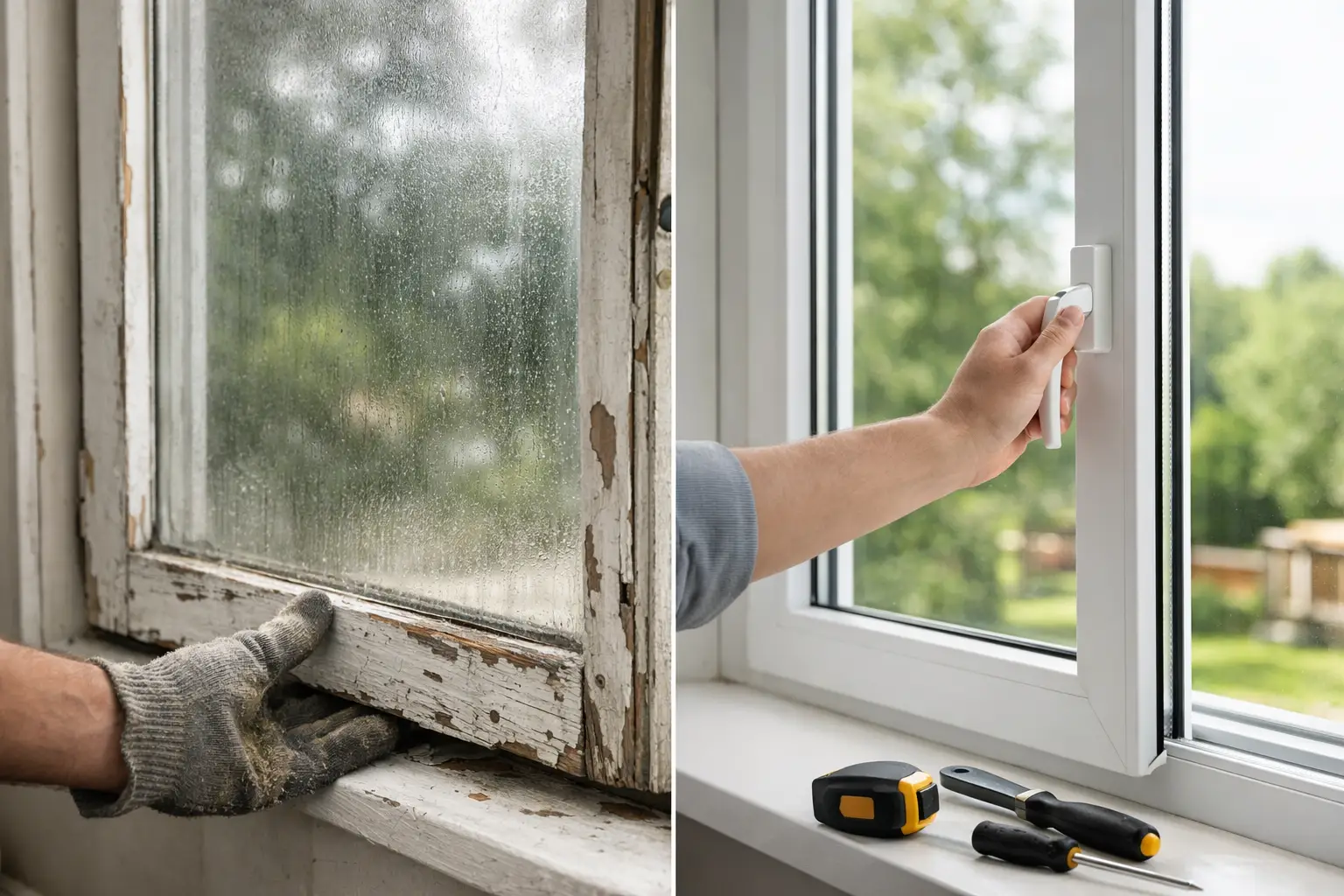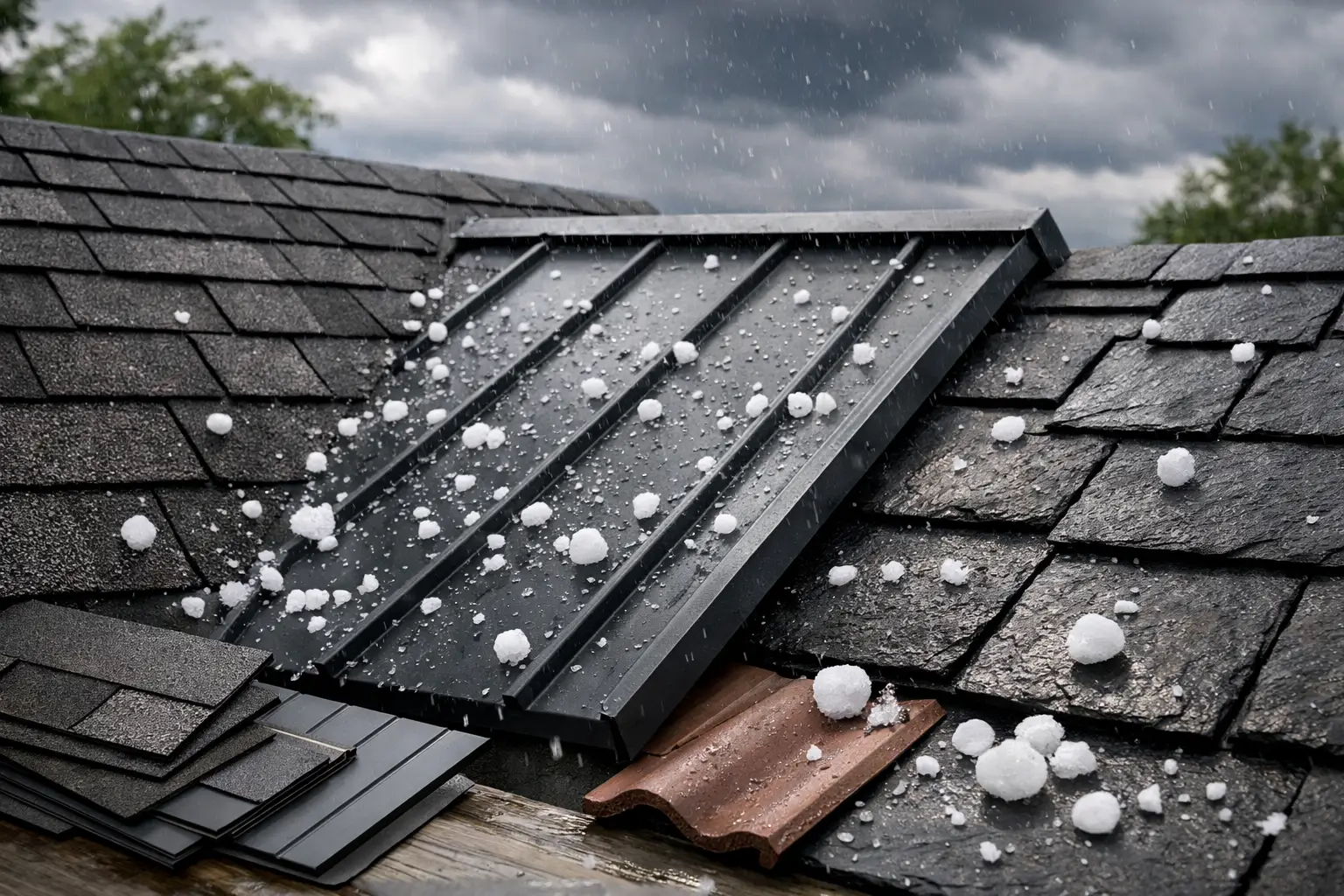

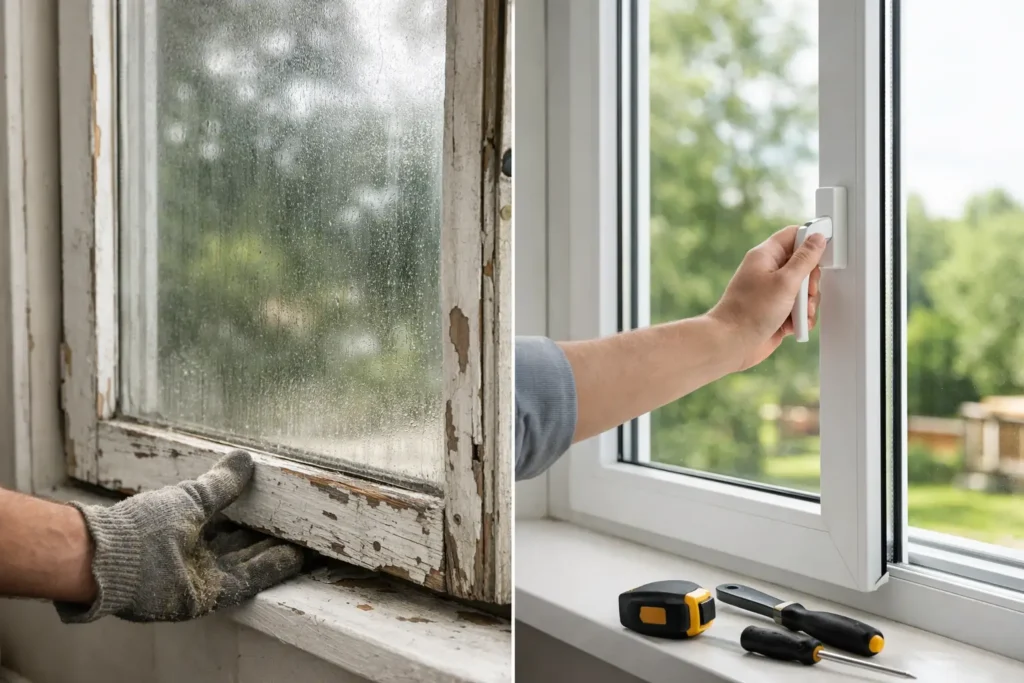
A chilly draft near the sofa, condensation between glass panes, or a window that takes two hands to open may seem like small frustrations. Over time, though, they can point to a larger issue: your windows are no longer protecting and performing the way your home needs them to. Knowing when to replace old windows helps North Carolina homeowners make a planned investment rather than waiting for a minor problem to become water damage, higher utility bills, or a security concern.
Windows do more than bring natural light into a room. They help manage heat, block wind-driven rain, reduce outside noise, support home security, and shape the appearance of the entire exterior. A quality replacement window can improve several of those areas at once, but timing and installation matter just as much as the window itself.
Signs It Is Time to Replace Old Windows
Age alone does not always mean a window must be replaced. Well-maintained wood windows, for example, may be repairable in some homes. But when multiple windows are showing the same problems, replacement often provides a more reliable and cost-effective long-term solution.
Drafts and uneven room temperatures
If rooms near your windows feel noticeably colder in winter or hotter in summer, air may be moving through worn weatherstripping, failing seals, gaps around the frame, or an outdated single-pane design. You may also notice that one side of the house is consistently less comfortable than the rest.
North Carolina’s humid summers and fluctuating winter temperatures make this especially noticeable. Newer windows with insulated glass and properly sealed frames can help your heating and cooling system maintain a more consistent indoor temperature. They will not solve every comfort problem on their own, especially if attic insulation or ductwork needs attention, but they can be a meaningful part of the solution.
Fogging or moisture between panes
Condensation on the room-side surface of a window can sometimes be related to indoor humidity. Moisture trapped between double-pane glass, however, is different. It usually means the seal around the insulated glass unit has failed.
Once that seal fails, the window loses much of its insulating value and may develop a cloudy appearance that cannot be cleaned from either side. In some cases, glass replacement is possible. If the frame, sash, hardware, or several windows are also aging, replacing the complete units is often the better investment.
Windows that stick, leak, or will not lock
A window should open, close, and lock without a struggle. Sticking can result from paint buildup or minor adjustment needs, but it can also indicate frame warping, foundation movement, rot, or long-term moisture exposure. Windows that will not lock properly deserve prompt attention because they affect both security and weather protection.
Visible water stains on trim, peeling paint near a window, soft wood, or recurring leaks during heavy rain should never be ignored. The source may be the window, the exterior trim, the siding, or the way the opening was originally flashed. A professional assessment is the best way to identify the actual cause before work begins.
Rot, cracked frames, and failing exterior trim
Wood rot is not just a cosmetic issue. It can weaken the window opening and allow moisture to move into the wall system. Vinyl frames can crack, aluminum frames can corrode, and older seals can become brittle. When deterioration is widespread, repeated spot repairs can cost more over time than a well-planned replacement project.
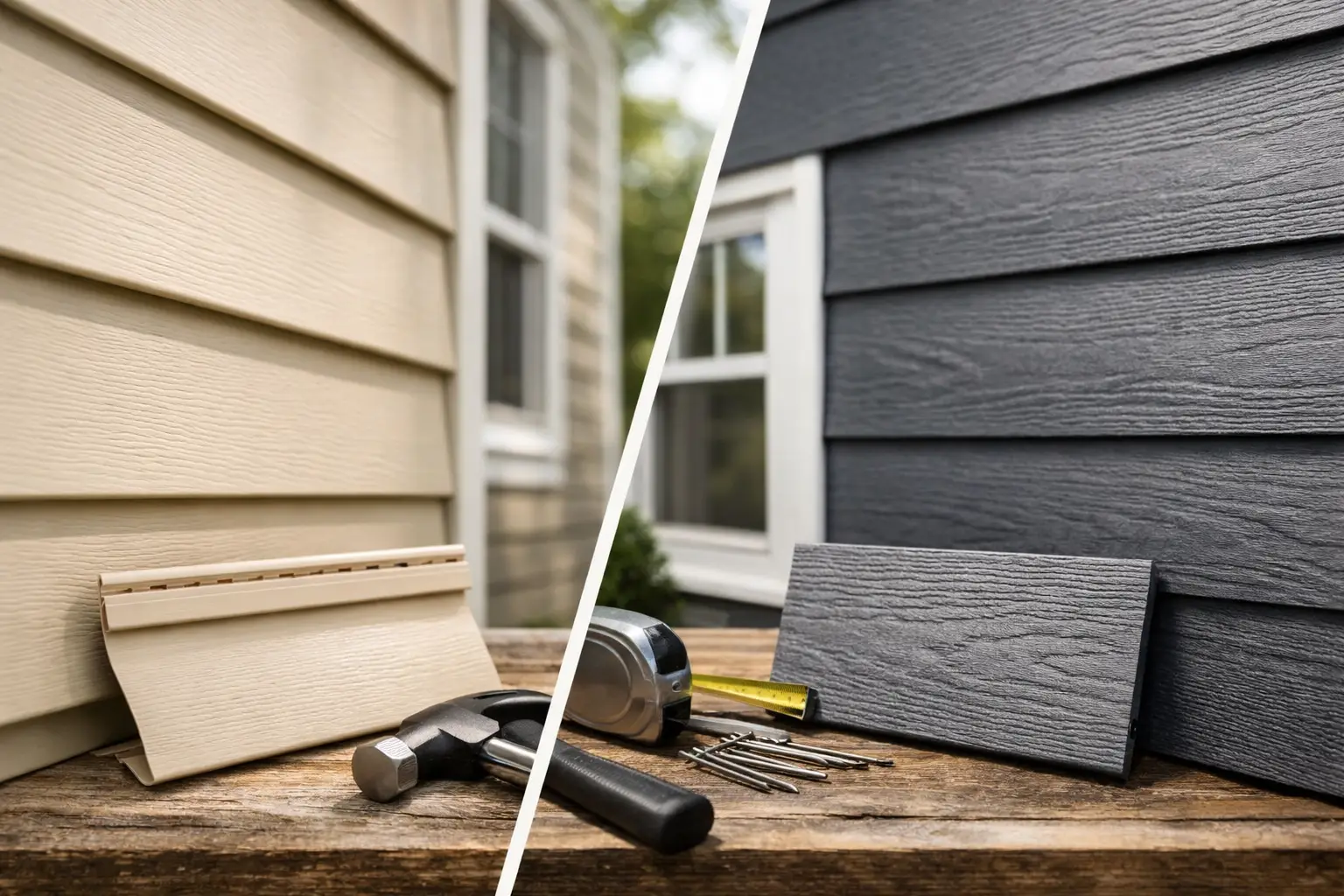
This is also a good time to look at nearby siding and trim. If a home needs window replacement along with siding repair or replacement, coordinating the work can help create a cleaner finished appearance and ensure the exterior components work together properly.
Rising energy bills with no clear explanation
Utility costs naturally change with weather and energy rates, so a higher bill does not automatically mean your windows are failing. Still, if your HVAC system is maintained, your usage habits have not changed, and certain rooms remain uncomfortable, inefficient windows may be contributing to the problem.
Older single-pane windows and windows with failed seals transfer heat more easily than modern insulated options. Replacement windows can reduce that heat transfer, but savings depend on the home’s insulation, window size, orientation, shading, thermostat settings, and the efficiency of the heating and cooling equipment. A trustworthy contractor should explain those variables rather than promise a specific dollar amount.
What to Consider Before You Replace Old Windows
The best replacement window is not simply the one with the highest advertised rating. It should fit the opening, match the home’s style, meet your practical needs, and be installed correctly.
Choose a style that works for daily life
Double-hung windows remain popular because they offer a traditional appearance and allow the sashes to tilt inward for cleaning. Sliding windows work well in openings where outward operation would be inconvenient. Casement windows can provide broad views and strong ventilation, while picture windows are a good choice where light and visibility matter more than airflow.
Think about how each room is used. A difficult-to-reach kitchen window may benefit from a style that is easy to operate. Bedroom windows need to meet egress requirements where applicable. Ground-floor windows may call for added security features. The right choice balances appearance with the way your family actually lives in the home.
Look beyond the glass package
Energy-efficient glass is valuable, but the entire window system matters. Frame construction, weatherstripping, spacers between panes, locks, screens, and installation details all affect performance. Features such as low-emissivity coatings and insulated glass can help manage heat transfer while still allowing useful daylight into the home.
Homeowners should also consider maintenance. Some materials require less regular upkeep than painted wood, which can be helpful for busy households. At the same time, architectural style matters. A replacement window should complement the home rather than look out of place from the street.
Understand full-frame versus insert replacement
An insert replacement window fits within an existing frame that is still structurally sound. It can be an efficient option when the frame is square, dry, and in good condition. However, it may slightly reduce visible glass area and does not address hidden rot or damage behind the trim.
A full-frame replacement removes the existing window down to the rough opening. This approach is often appropriate when there is water damage, frame deterioration, a desire to change window size or style, or concerns about how the original window was installed. It typically involves more labor, but it allows the installer to inspect the opening, address damaged materials, and build the new window system correctly.
Neither approach is automatically better for every home. The condition of the opening should guide the recommendation.
Why Professional Installation Makes the Difference
Even a well-made window can underperform if it is installed incorrectly. Proper installation includes accurate measurements, careful removal of the old unit, inspection of the opening, appropriate flashing and sealing, insulation around the frame, and adjustments that allow the window to operate as intended.
This is where homeowners can avoid a common mistake: comparing quotes based only on the cost per window. A very low price may leave out important details such as trim work, disposal, repairs to damaged framing, flashing, or interior finishing. A detailed quote makes it easier to understand what is included and what conditions could require additional work.
For homes in Greensboro, Winston-Salem, High Point, and surrounding communities, an in-home evaluation is especially helpful because homes vary widely in age, construction methods, and exterior materials. Carolina Improvements can assess the existing windows, explain practical options in plain language, and provide a clear estimate for a project built around your home’s condition and goals.
Plan the Project Around Your Priorities
Replacing every window at once can create a consistent appearance and may be the most efficient approach when many units are failing. But a phased project can also make sense when only certain areas need immediate attention, such as windows with active leaks, damaged frames, or serious operating problems.
Start with the windows that affect protection and comfort most. Then consider visibility from the curb, heavily used rooms, and windows exposed to the strongest sun or weather. Flexible financing options may also help qualified homeowners move forward with needed improvements without postponing a problem that could become more expensive.
Before making a decision, walk through your home on a windy or rainy day and make a simple note of drafts, fogged glass, sticking sashes, stains, and damaged trim. Those details give a contractor a clearer starting point and help ensure your replacement project delivers lasting comfort, dependable protection, and a finished look you can feel good about every time you come home.