
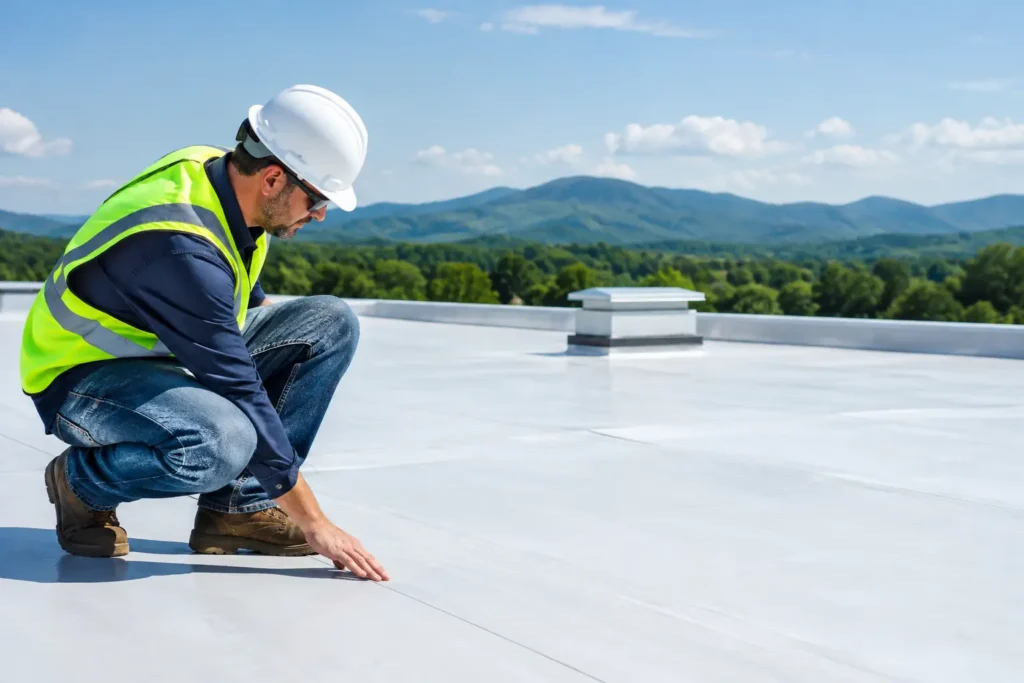
A roof over a sunroom, porch, garage, addition, or low-slope section of your home has different demands than a steep shingle roof. Water drains more slowly, seams matter more, and summer heat can work on the surface for hours. This TPO roofing review explains where this single-ply material performs well, where it may not be the best fit, and what homeowners should expect from a properly planned installation.
What Is TPO Roofing?
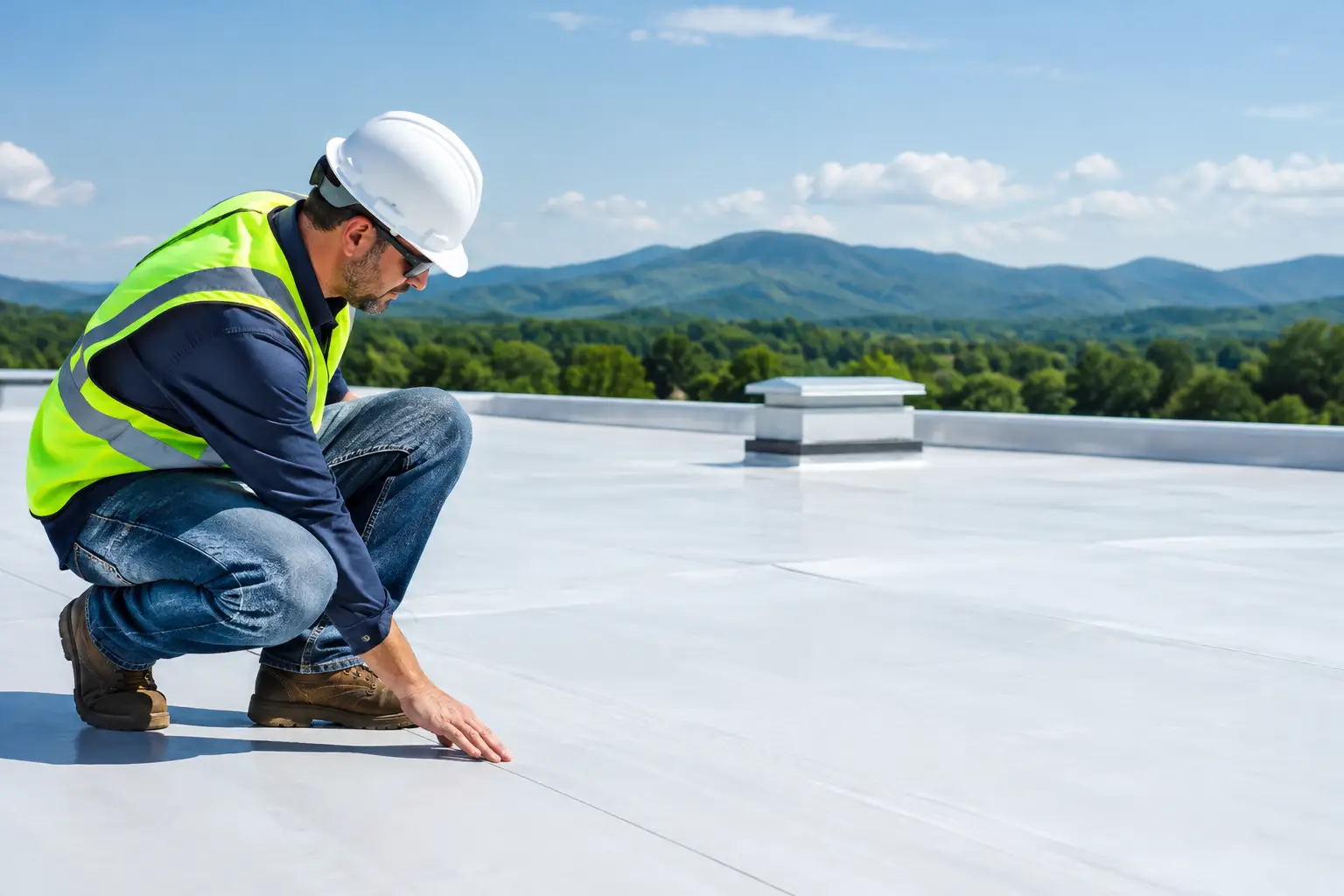
TPO stands for thermoplastic polyolefin. It is a flexible, single-ply roofing membrane commonly used on low-slope roofs. The material is typically white or light colored, though other colors are available, and it is installed in large sheets with seams that are heat-welded together.
Unlike asphalt shingles, which rely on overlapping courses to shed water, TPO creates a continuous water-resistant surface. That makes it a practical option for roof areas where shingles are not appropriate because the pitch is too low. It is often used for residential additions, detached garages, carports, covered patios, workshops, and other structures with broad, nearly flat roof sections.
A TPO system is more than the visible membrane. A quality installation may include insulation, an underlayment or cover board, perimeter edge metal, flashing around walls and penetrations, and carefully designed drainage. Those details have a major effect on how long the roof lasts.
TPO Roofing Review: The Main Advantages
For the right application, TPO offers meaningful protection and value. Its most noticeable advantage for many homeowners is its reflective surface. A white TPO roof reflects a substantial amount of sunlight rather than absorbing it like a dark roof surface. On a garage, addition, or enclosed porch, that can help reduce heat buildup beneath the roof during North Carolina’s long warm season.
TPO is also designed to resist moisture, mildew, and common airborne debris. Because its seams are heat-welded, they can form a strong bond when installed correctly. This is especially valuable on low-slope roofs, where standing water after heavy rain can expose weak installation details quickly.
The membrane remains flexible enough to handle normal temperature changes. It is also relatively lightweight compared with some built-up roofing systems, which can be useful when reroofing an existing structure. Maintenance is generally straightforward: keep drains and gutters clear, remove branches and sharp debris, and have the roof inspected if a storm, fallen limb, or new leak raises concerns.
For homeowners planning an addition or replacing a worn-out flat-roof material, TPO can also provide a clean, finished appearance. It does not imitate shingles, and it is not intended to. It is a purpose-built solution for roof designs that need dependable waterproofing more than traditional curb appeal.
Where TPO Has Trade-Offs
No roofing material is right for every section of every home. TPO is best suited to low-slope applications. If your main roof has a standard residential pitch and shingles are performing well, a shingle or metal roof may make more sense visually and financially. Mixing materials is common when only an addition, porch, or garage has a low slope.
Installation quality is the biggest variable in a TPO roof’s performance. The membrane itself may be durable, but poorly welded seams, loose edge details, inadequate flashing, or improper drainage can lead to leaks. A contractor should not treat TPO as simply a sheet rolled across a roof. The roof deck, insulation, transitions, penetrations, and water flow all need to be evaluated before work begins.
TPO can also be punctured by sharp objects or careless foot traffic. It is not a roof that should be routinely walked on without a reason. Tree limbs, unsecured equipment, and service work involving HVAC units or solar components deserve extra care. This does not make TPO fragile, but it does mean protecting the membrane is part of owning the system.
Color may be another consideration. White TPO is popular for its reflective qualities, but some homeowners prefer the look of darker materials. If the roof is highly visible from upper windows, neighboring homes, or a deck, ask to see available color and edge-detail options before making a final decision.
How Long Does a TPO Roof Last?
A professionally installed TPO roof can often provide decades of service, but there is no responsible one-size-fits-all lifespan promise. Membrane thickness, roof design, climate exposure, drainage, foot traffic, maintenance, and installation workmanship all affect longevity.
A roof that drains well and receives periodic inspections has a better chance of reaching its expected service life than one that regularly holds water or collects leaves. In the Piedmont Triad and surrounding North Carolina communities, seasonal storms, humidity, wind-driven rain, and falling branches make drainage and edge protection especially worth discussing.
Homeowners should also understand the difference between a material warranty and workmanship coverage. A manufacturer may warrant the membrane under certain conditions, while the installing contractor is responsible for the quality of the installation. Ask for both in writing, along with clear information about what is covered, what is excluded, and what maintenance may be required.
What Does TPO Roofing Cost?
TPO roofing costs vary widely because the membrane is only one part of the project. A small, open garage roof is not priced the same way as a low-slope addition attached to a two-story home. Roof size, accessibility, deck repairs, tear-off requirements, insulation needs, drainage improvements, flashing complexity, and the number of vents or penetrations all influence the quote.
It can be tempting to compare estimates only by price per square foot. That approach can miss the details that prevent leaks. One proposal may include removal of existing material, replacement of damaged decking, upgraded insulation, new edge metal, and proper flashing, while another may not. A lower initial number is not necessarily a lower long-term cost if important components have been left out.
During an in-home estimate, ask whether the contractor has identified the source of any existing water intrusion. Replacing the surface without addressing a soft deck, poorly pitched roof area, clogged drainage path, or failing wall flashing can leave the underlying problem in place.
Questions to Ask Before Choosing TPO
A good conversation with a roofing contractor should make the project easier to understand. Ask what membrane thickness is proposed, how seams will be welded, and how the roof will be attached. Ask whether insulation is included and whether it will improve comfort in the space below.
It is also reasonable to ask how the roof will drain after a heavy rain, how flashing will be handled where the roof meets walls or transitions to shingles, and whether damaged decking will be documented before replacement. For a roof with vents, skylights, or HVAC equipment, ask how those penetrations will be sealed and serviced in the future.
Finally, confirm who will manage cleanup and communication. Roofing work can be disruptive, particularly when the project connects to a finished room or outdoor living space. Homeowners deserve a clear schedule, a clean job site, and a point of contact who can explain what is happening.
Is TPO the Right Choice for Your Home?
TPO is often an excellent choice when you need a durable, reflective roof for a low-slope area. It can protect a new addition, replace a deteriorating flat roof, and help make an enclosed space more comfortable in warm weather. Its performance depends less on a marketing label and more on sound design, quality materials, and careful installation.
If you are considering TPO for a garage, porch, addition, or other low-slope roof, start with a full assessment rather than a quick price comparison. Carolina Improvements can evaluate the roof’s condition, drainage, and connection details, then provide a clear recommendation and no-obligation estimate. The right roofing decision should leave you with a system that handles the next hard rain as confidently as the next hot afternoon.