
A driveway has a demanding job. It carries daily vehicle traffic, stands up to summer heat and heavy rain, and shapes the first impression of your home. When comparing concrete versus asphalt, the better choice is not always the material with the lower upfront price. It is the surface that fits your property, budget, maintenance expectations, and plans for the years ahead.
For many North Carolina homeowners, both materials can provide a dependable driveway when they are installed over a properly prepared base. The differences become clearer when you look beyond the initial quote and consider durability, appearance, repairs, drainage, and long-term ownership costs.
Concrete Versus Asphalt: The Main Difference
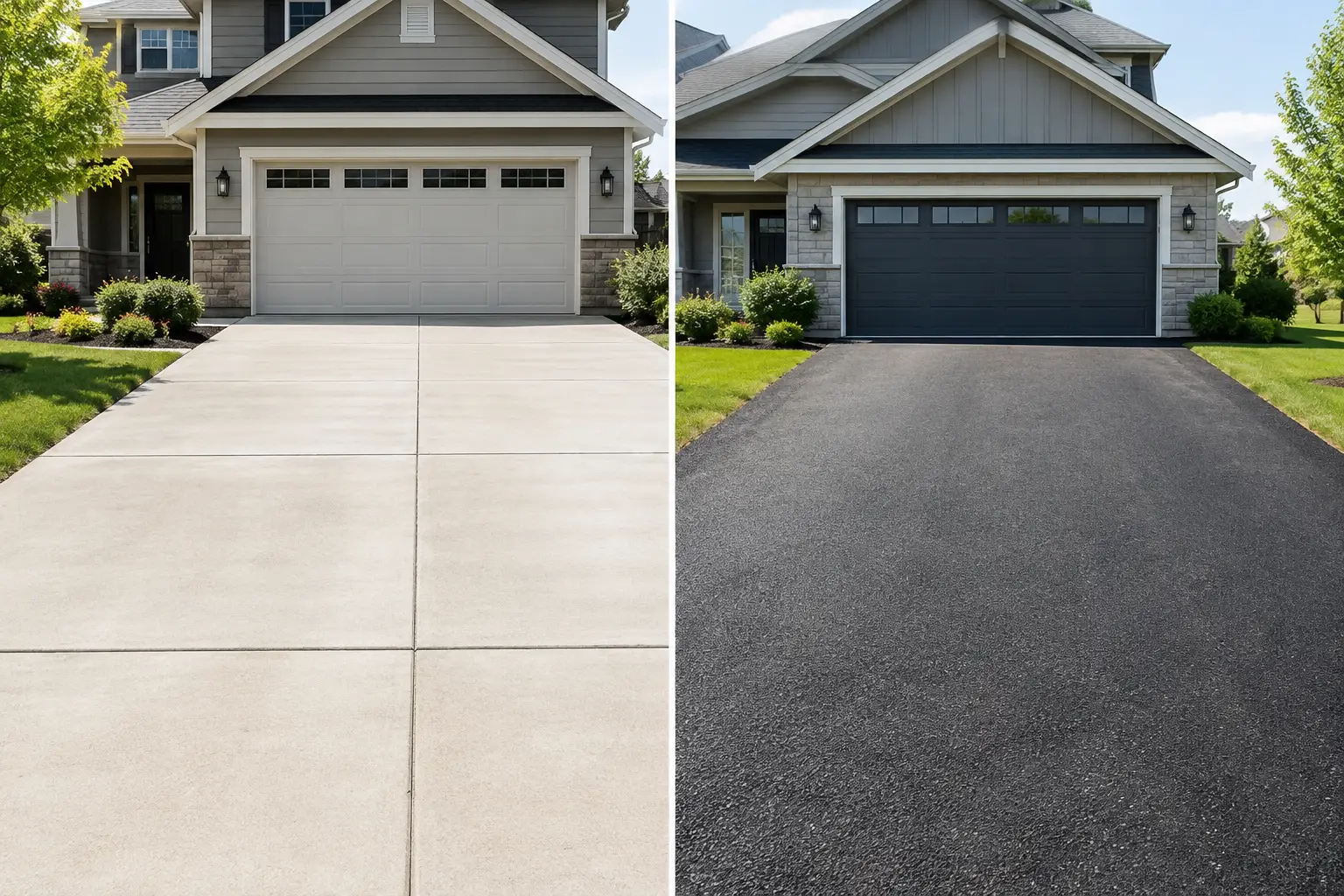
Concrete is a rigid, light-colored surface made from cement, aggregate, sand, and water. Once cured, it creates a hard slab that can handle regular passenger vehicles with limited routine maintenance. Asphalt is a flexible, dark-colored pavement made with aggregate and a petroleum-based binder. It is installed hot, compacted, and designed to flex slightly as the ground moves.
That difference in flexibility affects nearly every part of the decision. Concrete generally costs more at installation but can last longer. Asphalt is often more affordable initially and can be easier to repair or resurface, but it requires recurring sealing and usually has a shorter service life.
Neither option can overcome poor site preparation. A driveway is only as dependable as the grading, drainage, base material, and compaction underneath it. Water that sits at the edge of the driveway or moves beneath the surface can shorten the life of concrete and asphalt alike.
Upfront Cost and Long-Term Value
Asphalt usually has the lower initial cost, making it appealing for homeowners replacing a large driveway or working within a defined renovation budget. Its faster installation process can also be helpful when you need a usable driveway sooner.
Concrete has a higher upfront cost because of material pricing, formwork, finishing, curing, and joint placement. In return, a professionally installed concrete driveway may serve a home for 30 years or more with appropriate care. Asphalt commonly lasts 15 to 25 years, depending on traffic, climate, drainage, and maintenance.
The lowest quote is not necessarily the best value. Ask what the price includes: removal of the existing surface, excavation, base preparation, edge support, grading, drainage corrections, thickness, reinforcement where appropriate, and cleanup. A low price that leaves out essential prep work can lead to premature cracks, sinking, or standing water.
If you plan to remain in your home for many years, concrete’s longer life can make its higher initial investment worthwhile. If cost is the deciding factor now, asphalt can still be a practical, attractive solution when it is installed correctly and maintained consistently.
Weather Performance in North Carolina
North Carolina driveways face a broad range of conditions. Piedmont summers bring heat, humidity, and strong storms, while winter temperatures can occasionally move above and below freezing. The right choice depends in part on how your site handles those conditions.
Asphalt absorbs heat because of its dark color. On hot sunny days, it can become soft enough for sharp objects, kickstands, or heavy parked vehicles to leave marks. This does not make asphalt unsuitable for the region, but it does mean that a shaded driveway, heavy truck traffic, or tight turning areas deserve careful planning.
Concrete reflects more heat and remains firmer in high temperatures. It is a strong option for driveways that receive full sun or serve heavier vehicles. However, concrete expands and contracts with temperature changes, which is why properly spaced control joints are essential. These joints encourage cracks to form in planned locations rather than randomly across the slab.
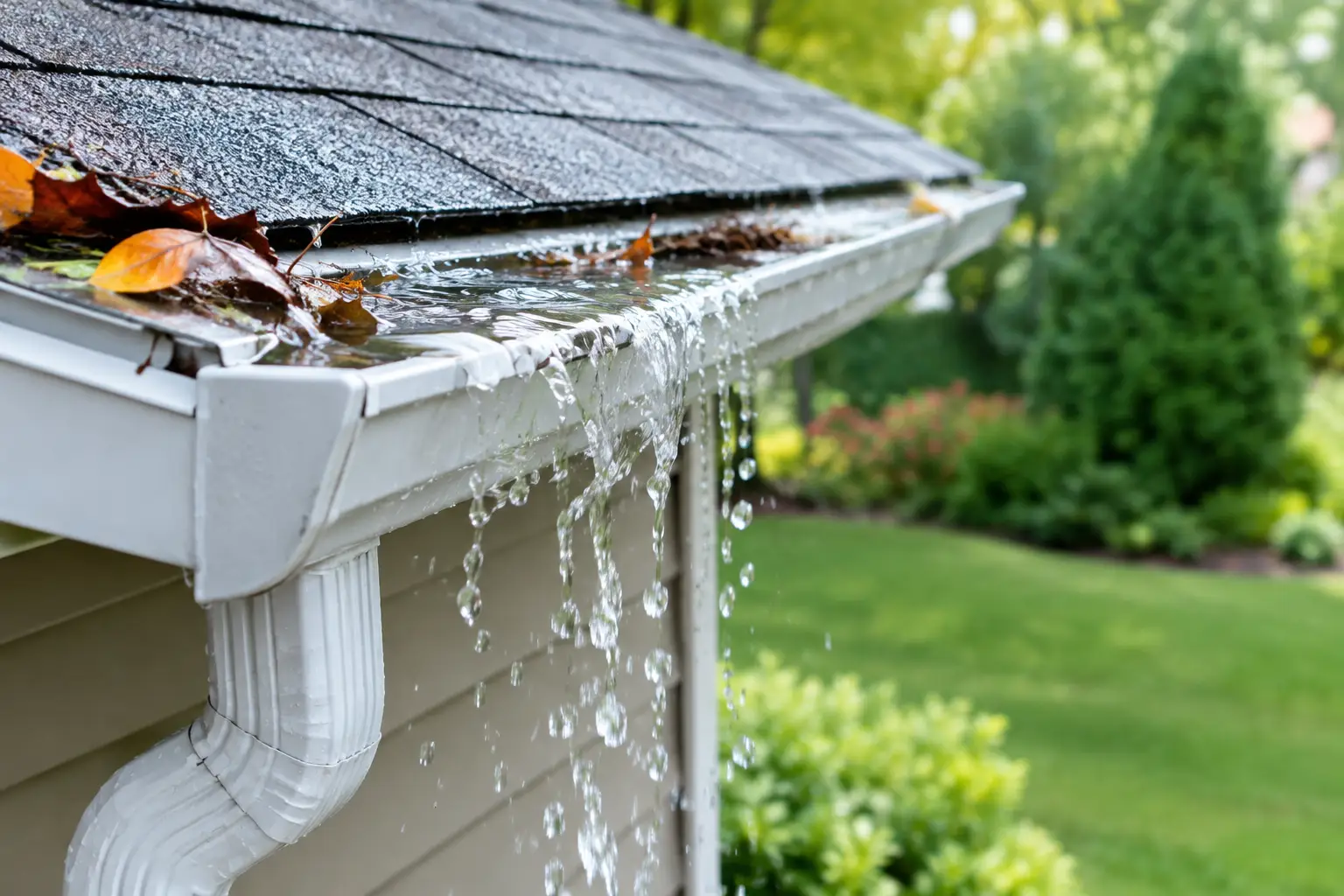
Both surfaces benefit from positive drainage. Downspouts should not empty directly onto the driveway, and water should move away from the garage, foundation, and pavement edges. During a site assessment, drainage should be part of the conversation, especially on sloped lots or properties with recurring runoff issues.
Appearance and Curb Appeal
Concrete offers more design flexibility. A standard broom finish provides a clean, slip-resistant appearance, while decorative options can include color, exposed aggregate, borders, or stamped patterns. These finishes can complement brick, siding, stone, patios, walkways, and other exterior improvements.
Asphalt has a classic, uniform black finish that works well with many homes and can make landscaping stand out. Fresh asphalt looks crisp, but its appearance changes over time as it fades to gray. Sealcoating can restore a darker finish while also helping protect the surface.
For homeowners focused on a polished, long-lasting front elevation, concrete often has the advantage. For a long country driveway, a practical replacement, or a home where the driveway is not the primary curb-appeal feature, asphalt may deliver the look and performance you need at a lower initial cost.
Maintenance: What Each Material Needs
Concrete is often described as low maintenance, not maintenance-free. Keeping it clean, addressing stains promptly, and resealing it periodically can help preserve its finish. Avoid de-icing products that can damage concrete surfaces, particularly during the first winter after installation. If cracks develop, prompt evaluation is wise, since movement or water intrusion may be contributing factors.
Asphalt needs more regular attention. A new asphalt driveway should be allowed to cure before sealcoating, and then it will typically need resealing every few years. Small cracks should be filled before water enters the base. When the surface becomes worn but the foundation remains sound, an asphalt overlay may be possible.
Repairs are generally less noticeable on asphalt because patches blend more easily with the dark surface over time. Concrete repairs can be durable, but color and texture differences may remain visible. On the other hand, concrete is less vulnerable to damage from gasoline, oil, and other automotive fluids than asphalt.
Traffic, Thickness, and Your Property’s Needs
A driveway used only by passenger vehicles has different requirements than one that regularly carries a work truck, RV, trailer, delivery vehicle, or family members parking in the same place every day. Heavy loads and repetitive turning can stress either material, particularly near a garage entrance or at the end of a narrow drive.
Concrete is often a smart choice for areas with concentrated weight, such as parking pads and garage approaches. Asphalt can also perform well under vehicle traffic, but it needs the proper thickness and a stable, well-compacted base. For either material, the contractor should account for the intended use instead of applying a one-size-fits-all design.
Property layout matters too. Curves, steep grades, drainage swales, retaining walls, walkways, patios, and garage elevations can all affect the recommended approach. Replacing a driveway can be an opportunity to correct water flow, widen a tight entry, add a turn-around, or coordinate the new surface with other outdoor improvements.
When Concrete Is Usually the Better Fit
Concrete is often the better choice when you want a long service life, a brighter finished appearance, decorative options, or a surface that stays stable in high heat. It is especially worth considering for shorter driveways, homes with strong curb-appeal goals, and areas where heavy vehicles will park regularly.
It also suits homeowners who prefer less frequent maintenance and are comfortable investing more at the start. Proper joint placement, finishing, curing, and drainage are still critical. A concrete driveway should be treated as a long-term exterior improvement, not just a surface replacement.
When Asphalt Is Usually the Better Fit
Asphalt is a practical choice when upfront cost, faster installation, and repair flexibility matter most. It can be particularly effective for large or long driveways where the price difference between materials becomes significant. Its darker appearance can also complement homes with traditional exterior styles and wooded settings.
Choose asphalt with a clear plan for sealing and crack repair. Homeowners who stay ahead of routine maintenance can get many dependable years from the surface. Ignoring small cracks and drainage concerns, however, can turn manageable upkeep into a more extensive replacement project.
Make the Decision With the Whole Project in Mind
The right driveway material should work with the way you use your property, not simply win a price comparison. Before choosing concrete or asphalt, consider the condition of the existing base, drainage patterns, slope, vehicle loads, desired appearance, and how long you expect to own the home.
A professional on-site estimate can clarify details that photographs and square-foot pricing cannot. Carolina Improvements helps homeowners evaluate exterior projects with practical recommendations, clear communication, quality materials, and workmanship built for lasting results. A well-planned driveway gives you more than a place to park – it provides a dependable approach to your home every day.