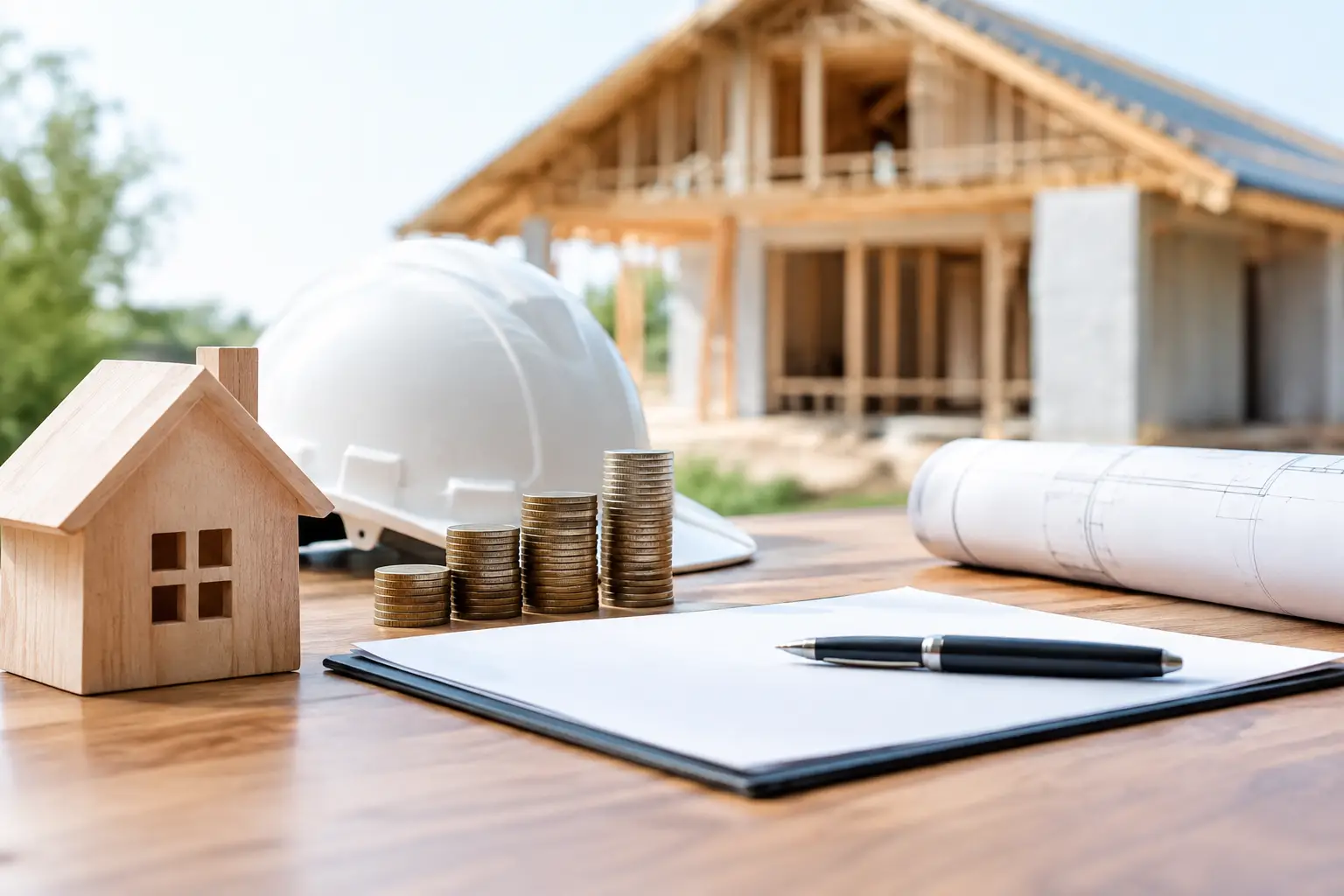

A roof leak, aging windows, or a driveway that is starting to break apart rarely arrives at a convenient time. Construction financing can help homeowners move forward with necessary repairs and meaningful upgrades without waiting years to save the full project cost. The right option can turn a large, one-time expense into a payment plan that works with your household budget.
For homeowners, financing is not just about making a project affordable today. It is also about protecting the home before a smaller concern becomes expensive damage, improving comfort and efficiency, or completing an addition or outdoor-living project while the timing is right.
What Construction Financing Means for Homeowners
Construction financing is a broad term for borrowing used to pay for a building, repair, renovation, or improvement project. For a residential project, it may cover a new roof, replacement siding, windows and doors, a deck, concrete work, a garage, a room addition, or another improvement that adds protection, function, or enjoyment to your home.
The best financing arrangement depends on the project scope, your available savings, your credit profile, the equity in your home, and how quickly the work needs to begin. A planned patio or enclosure may allow time to compare several borrowing options. A roof that is actively leaking may call for a quicker decision to prevent damage to framing, insulation, ceilings, and belongings.
Financing can make a project manageable, but it should not be used to rush into work you do not understand. A clear written quote, a realistic payment amount, and a contractor you trust are just as important as the financing offer itself.
Common Ways to Finance Home Improvements
Homeowners have several ways to pay for larger construction projects. Each option has advantages and trade-offs, so it is worth considering how the financing affects both your immediate payment and your long-term financial picture.
Contractor-arranged financing
Many established home improvement contractors offer financing through lending partners. This can be a convenient choice because you can discuss the project, review the estimate, and apply for financing as part of the same process. Some programs may offer promotional terms or no-money-down options for qualified customers.
The convenience is valuable, especially when a repair is urgent. Still, review the annual percentage rate, monthly payment, loan term, fees, and any promotional-period requirements before you sign. A low introductory payment may change after a specific period, and a longer term can reduce the monthly payment while increasing the total amount paid over time.
Home equity loan or home equity line of credit
A home equity loan or HELOC uses the equity you have built in your property. These options may offer competitive rates for qualified borrowers, particularly for substantial projects such as additions, garages, major exterior renovations, or structural work.
A home equity loan generally provides a lump sum with a fixed payment schedule. A HELOC works more like a revolving line of credit, which can be useful if a project will be completed in phases. Because your home may secure the borrowing, these options require careful consideration. They also can take longer to arrange than contractor financing or an unsecured personal loan.
Personal loans
An unsecured personal loan does not require you to use your home as collateral. It can be a practical option for a defined project cost, such as replacement windows, gutters, flooring, fencing, or a smaller deck. Approval and funding may be relatively quick, depending on the lender.
Rates and terms vary significantly based on credit history and income. Compare the total cost, not just the advertised monthly payment. A short repayment term may save interest but create a payment that feels too tight for your budget.
Savings and a partial financed balance
Using savings for part of the project and financing the remaining balance can be a balanced approach. It may reduce the amount borrowed while allowing you to keep an emergency reserve for unexpected household needs.
It depends on the reason for the project. If you are addressing water intrusion, a failing roof, or unsafe steps, draining every available dollar may leave too little room for a surprise repair later. Keeping a reasonable cash cushion can be the safer choice.
Start With the Project, Not the Payment
A monthly payment is easy to focus on, but it should not be the first number you consider. Start with the condition of your home and the result you need. A contractor should assess the existing structure, explain the recommended work in plain language, and provide a detailed quote that identifies the scope, materials, and expected process.
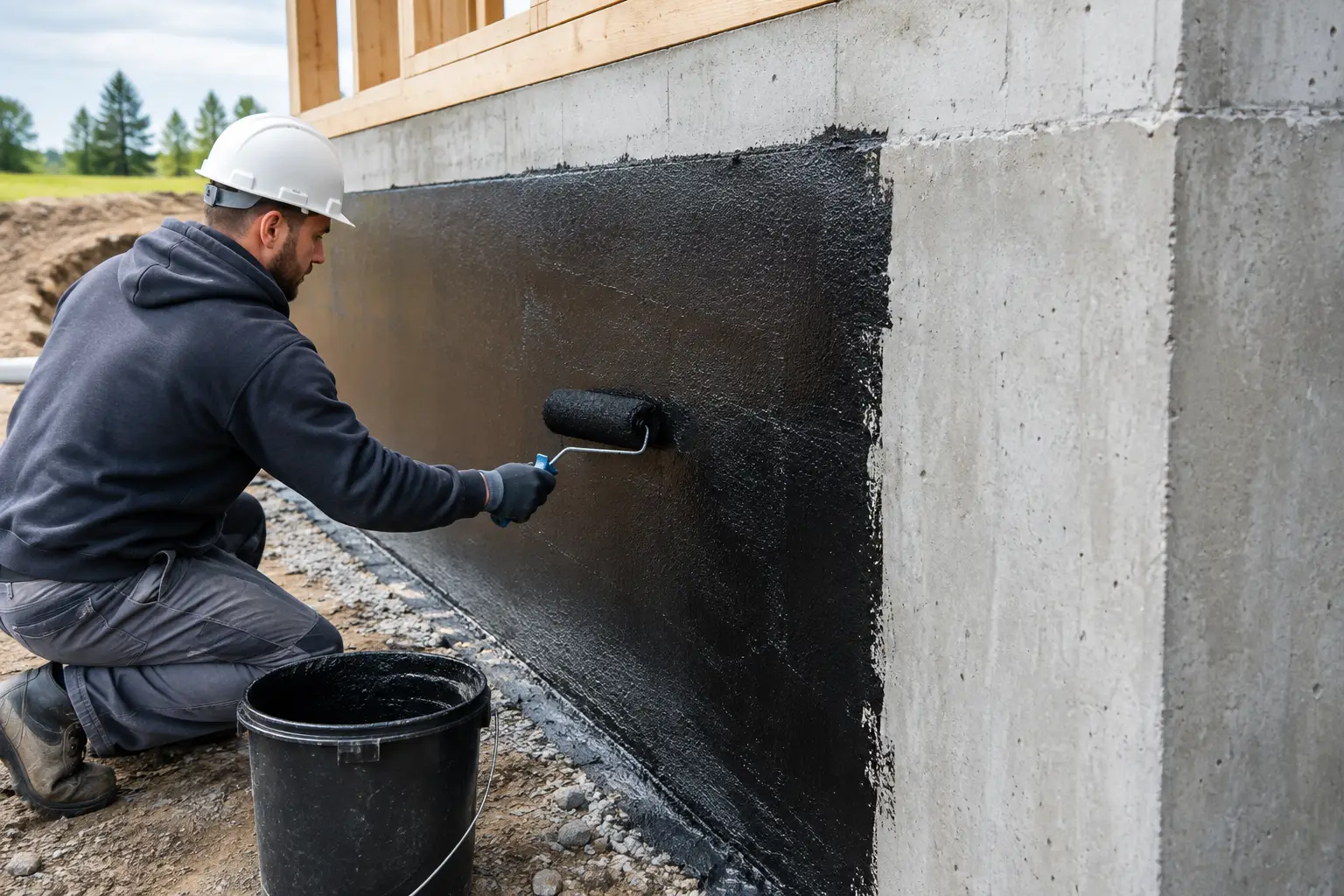
For example, replacing a roof is not only about selecting shingle color. Proper roofing work may involve ventilation, flashing, underlayment, damaged decking, and water-management details. A low estimate that skips necessary components may create problems later. The same principle applies to siding, windows, retaining walls, concrete, and room additions.
Once you understand the recommended scope, you can decide how much to finance. This helps prevent a common mistake: choosing a payment first and reducing the project until it fits, even if the reduced scope does not solve the original problem.
Build a Budget That Accounts for the Full Cost
Before applying, review your household budget honestly. A financing payment should leave room for utilities, insurance, routine maintenance, transportation, savings, and unexpected expenses. If the payment only works in a perfect month, the loan terms may need adjustment.
Ask for the total project price and confirm what is included. For a significant renovation, discuss whether permits, site preparation, demolition, cleanup, disposal, and inspections are part of the estimate. A professional contractor should be willing to answer these questions directly.
It is also wise to set aside a contingency amount when the project involves older homes or concealed conditions. Once work begins, damaged wood, drainage issues, outdated construction, or other conditions may become visible. Not every project will have surprises, but planning for the possibility is better than being caught off guard.
Questions to Ask Before Accepting Financing
A financing offer should be clear enough that you can explain it back to someone else. If you cannot, ask for clarification. Before accepting an offer, make sure you know:
- The amount being financed and the total cost of the project
- The annual percentage rate, loan term, monthly payment, and total repayment amount
- Whether the interest rate is fixed or variable
- Whether there are origination fees, prepayment penalties, or late-payment fees
- When the first payment is due and whether promotional terms can expire or change
- How and when the contractor will be paid as work progresses
Also separate the financing agreement from the construction agreement in your mind. Financing approval does not replace the need for a clear project contract. You should still understand the schedule, materials, warranty information, payment process, and who will be responsible for the work at your home.
Choose a Contractor Who Respects the Investment
A large home improvement project deserves more than a quick sales pitch. Look for a licensed and insured contractor with experience in the type of work you need, a clear estimate, reliable communication, and a reputation for maintaining clean, organized job sites.
The contractor should help you make informed choices without pressuring you to borrow more than you need. They should also explain practical trade-offs. A premium material may offer longer service life or lower maintenance, but it may not be the best fit for every budget. In other cases, delaying necessary repairs to pursue a lower payment can cost more if damage spreads.
Carolina Improvements helps North Carolina homeowners evaluate projects carefully, from the first in-home estimate through professional installation. The goal is to make major improvements understandable and attainable while keeping the focus on quality materials, sound workmanship, and lasting results.
Use Financing to Make a Sound Decision, Not Just a Fast One
Construction financing can be a helpful tool when it supports a well-defined project and a payment plan you can sustain. It can allow you to address urgent repairs promptly, improve energy efficiency, add usable space, or make your home safer and more comfortable for the years ahead.
Take time to compare terms, understand the full scope of work, and choose a contractor who treats your home with care. A thoughtful financing decision gives you more than a way to pay for the project. It gives you a practical path toward a home that is better protected, more functional, and ready for what comes next.