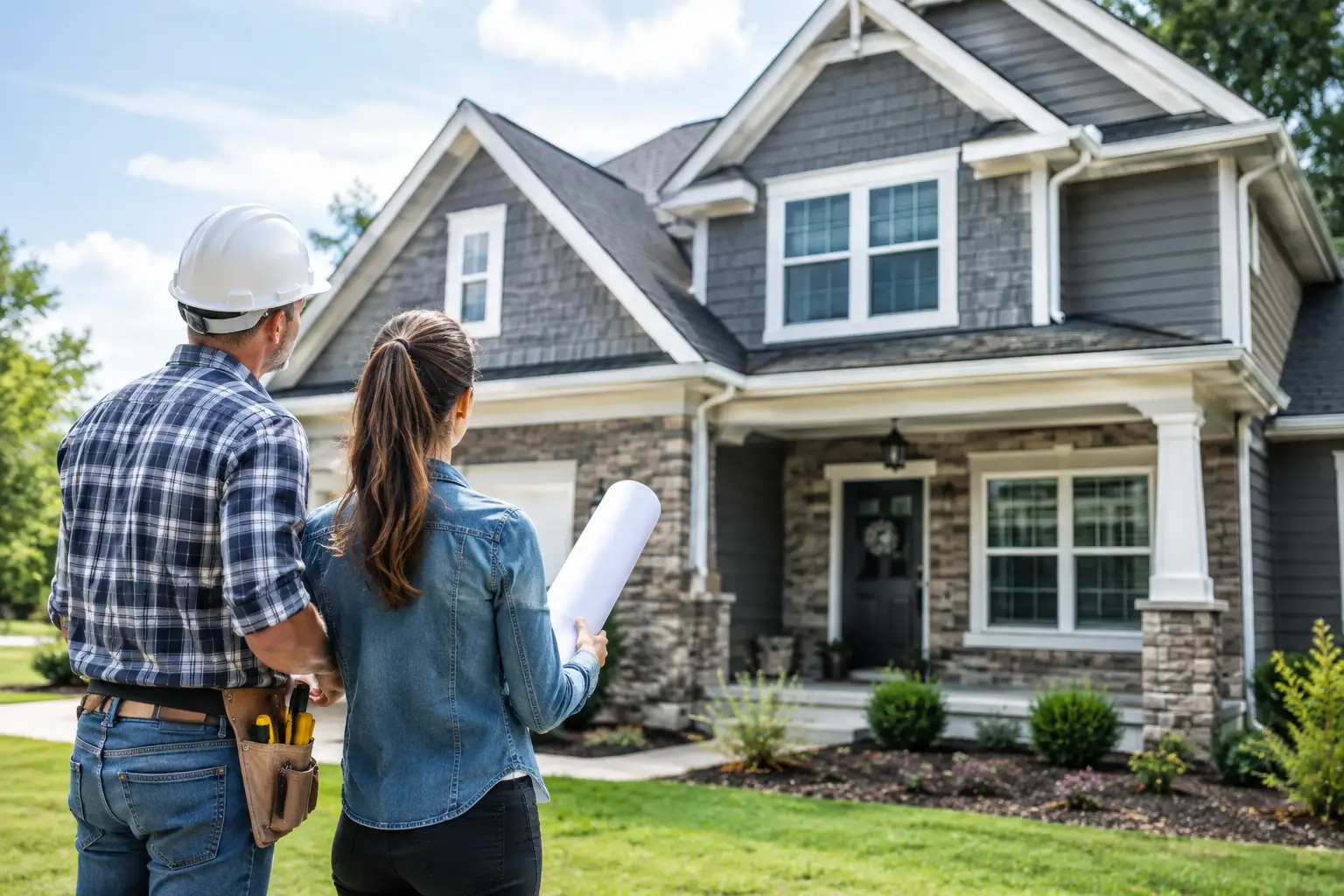

A loose shingle, peeling siding, standing water near the foundation, and a worn-out front door can look like separate problems. Often, they are connected. This home exterior renovation guide helps North Carolina homeowners decide what needs attention first, what can be planned for later, and how to build a project that protects the home as well as its curb appeal.
Exterior work is not only about making a house look newer. Your roof, siding, windows, gutters, driveway, and outdoor structures work together to manage rain, resist heat and humidity, and keep daily life comfortable. The right order of work can prevent a small repair from becoming a much larger expense.
Start With Protection, Not Appearance
When several exterior upgrades are competing for your budget, address the systems that keep water out and move it away from the home first. North Carolina weather brings heavy rain, summer heat, wind, and seasonal temperature changes. Those conditions expose weak points quickly.
Begin with the roof. Missing shingles, curled edges, granule loss, soft spots, flashing damage, or water stains inside the home deserve prompt attention. A roof repair may be enough when the damage is isolated, but widespread wear, repeated leaks, or an aging roof may point to replacement. Material selection matters here. Architectural shingles suit many homes and budgets, while metal roofing can offer long service life and a distinct appearance. Low-slope areas may require a Rubber or TPO roofing system rather than standard shingles.
Next, look at water management. Gutters should be securely fastened, properly pitched, and sized to carry water away during strong storms. Overflowing gutters can soak fascia boards, stain siding, erode landscaping, and contribute to foundation moisture. No-leaf gutter systems can reduce routine cleaning, but they still need occasional inspection after storms and during leaf season.
Siding and trim come next because they form the home’s visible weather barrier. Cracks, loose panels, rot, swelling, or faded areas may signal more than a cosmetic issue. Vinyl siding is a practical, low-maintenance option for many homeowners. James Hardie siding offers a durable, refined finish that stands up well to moisture and pests when installed correctly. The best choice depends on your home’s style, maintenance preferences, and budget.
Build Your Home Exterior Renovation Plan in the Right Order
A well-planned renovation avoids tearing out new work to repair an older issue underneath it. In most cases, work from the top of the home down and from protective systems to finish details.
A sensible sequence is roof and flashing first, then gutters, siding or exterior trim, windows and doors, and finally decks, patios, fencing, driveways, and landscaping. This order is not absolute. For example, a failing retaining wall or severely cracked driveway that creates a safety hazard may need to move up the list. But it provides a reliable starting point for most homes.
Before choosing colors or materials, walk around the property after a rainstorm. Look for runoff paths, puddling near the foundation, dripping at roof edges, soft ground near downspouts, and moisture on exterior walls. Take photos and make notes. This simple inspection gives a contractor useful context and helps you explain what you have noticed.
Separate urgent repairs from planned improvements
Urgent work protects the structure or prevents injury. This includes active roof leaks, rotted trim, failing gutters, loose steps, unsafe railings, damaged ramps, and drainage problems that threaten the foundation.
Planned improvements make the property more useful, efficient, or attractive. Replacement windows, a new entry door, a covered patio, a fence, a deck, or an enclosure can all be worthwhile investments. They are easier to enjoy when the home’s underlying exterior systems are already in good condition.
If your budget cannot cover every item at once, ask for a phased plan. A detailed estimate can identify the immediate scope, future priorities, and how later work may connect to the first project. That is often more practical than making a series of disconnected upgrades.
Choose Upgrades That Solve a Real Problem
The best exterior projects have a clear purpose. Curb appeal matters, but a strong renovation also improves how the home performs for your family.
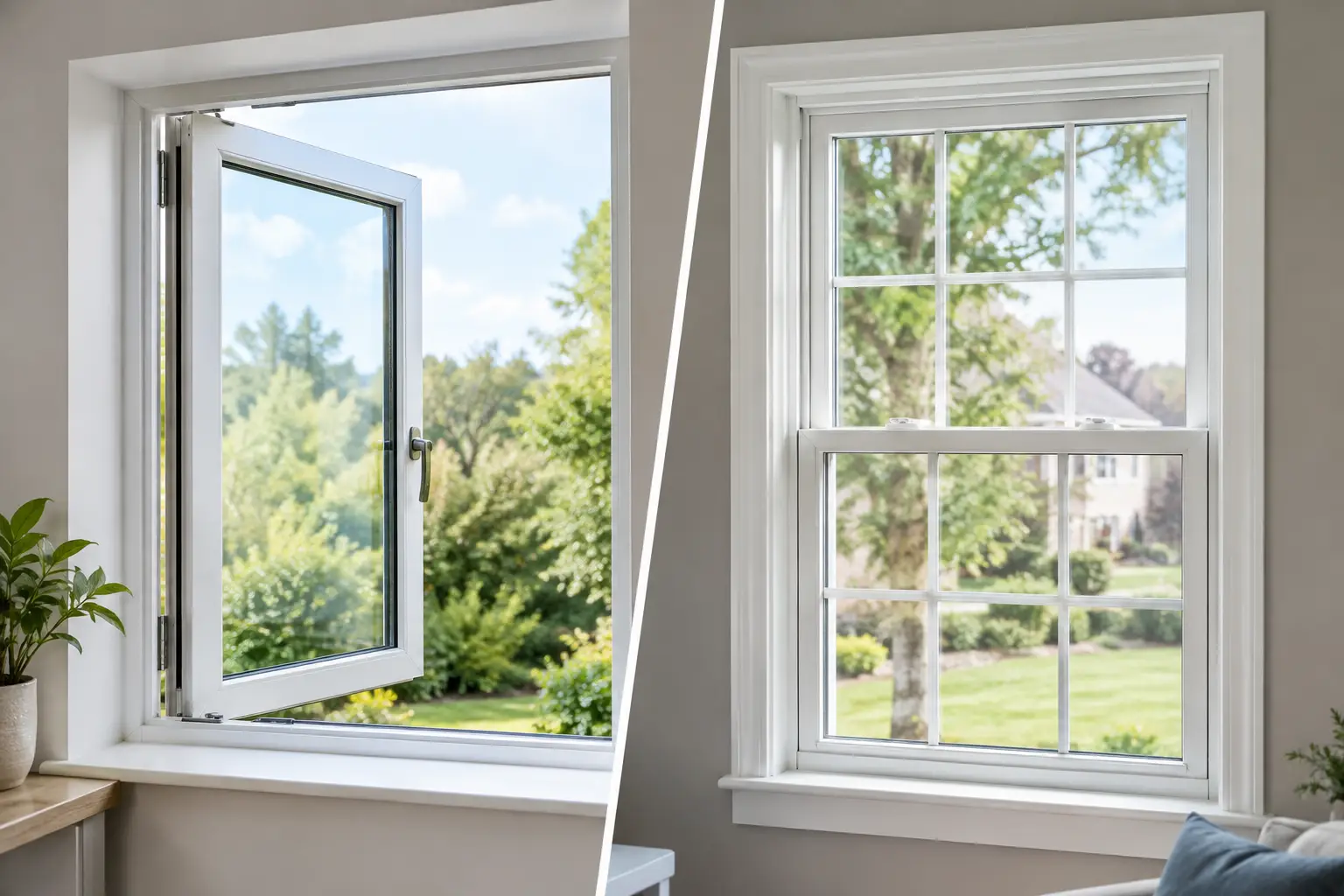
Replacement windows and doors can address drafts, difficult operation, worn weatherstripping, outside noise, and outdated appearance. Energy-efficient products may help make rooms more comfortable, though savings vary based on the home, existing windows, insulation, shade, and household energy use. A new front door can also improve security and create a more welcoming entry.
Outdoor living projects should reflect how you actually use your property. A deck is ideal for elevated access and entertaining. A patio can provide a durable, low-maintenance ground-level gathering area. Enclosures offer added protection from insects and weather, while a fence can improve privacy and define play or pet areas. Consider sun exposure, drainage, access from the house, and the amount of maintenance you are willing to take on before finalizing a design.
Accessibility improvements deserve the same careful planning. An ADA-compliant ramp, safer entry path, improved handrails, or more stable concrete can make a home easier to use for residents and visitors. These upgrades should be designed around the property’s layout and the needs of the people using them, not treated as an afterthought.
Do Not Overlook Concrete, Driveways, and Grading
Concrete problems tend to become more visible with time. Small surface cracks may be normal, but wide cracks, settling, heaving, crumbling edges, or sections that hold water should be evaluated. A deteriorating driveway affects first impressions, but it can also create trip hazards and allow water to reach areas where it does not belong.
The same is true for retaining walls. A wall that leans, separates, bulges, or shows drainage failure needs professional attention. Retaining walls manage soil pressure, so a cosmetic patch is not always an appropriate fix. Proper drainage and construction are central to a lasting repair or replacement.
When planning concrete work, think beyond the slab itself. Where will water flow? Will a new patio change drainage near the house? Does the driveway need a different slope? These questions are especially valuable on lots with clay soil, slopes, or recurring pooling issues.
Set a Realistic Budget and Compare Scope Carefully
Exterior renovation costs depend on square footage, access, material choices, existing damage, structural needs, permits, and site conditions. The lowest number on a quote is not always the lowest cost over the life of the project.
Compare estimates based on scope, not price alone. Make sure you understand which materials are included, how damaged wood or hidden issues will be handled, whether old materials will be removed, and what cleanup is expected. Ask about workmanship, product warranties, scheduling, permits, and communication during the project.
Quality installation is as important as the material itself. A premium shingle, window, siding panel, or door cannot perform as intended if it is installed improperly. Homeowners should look for a licensed, insured contractor with clear recommendations, written details, and a record of completing work professionally.
Financing can make a larger repair or improvement more manageable, especially when delaying the work could lead to further damage. Still, review the terms carefully and choose a payment plan that fits your household budget. No-money-down options for qualified customers may be helpful, but the project scope should remain the right one for the home, not simply the largest one available.
Work With One Accountable Project Partner
Coordinating roofers, gutter crews, siding installers, concrete contractors, and carpenters can be frustrating when projects overlap. A full-service contractor can simplify planning by evaluating how each system affects the next and managing the work with one point of contact.
For homeowners in Greensboro, Winston-Salem, High Point, and surrounding North Carolina communities, Carolina Improvements can assess exterior concerns during a free in-home estimate and recommend a practical path forward. The goal should be clear communication, quality materials made in the USA, skilled installation, and a clean job site from start to finish.
Your home does not need every upgrade at once. Start with the issue that most affects protection or safety, choose durable work that fits your goals, and create a plan for what comes next. A thoughtful exterior renovation can make the home look better today while helping it stand up to the seasons ahead.