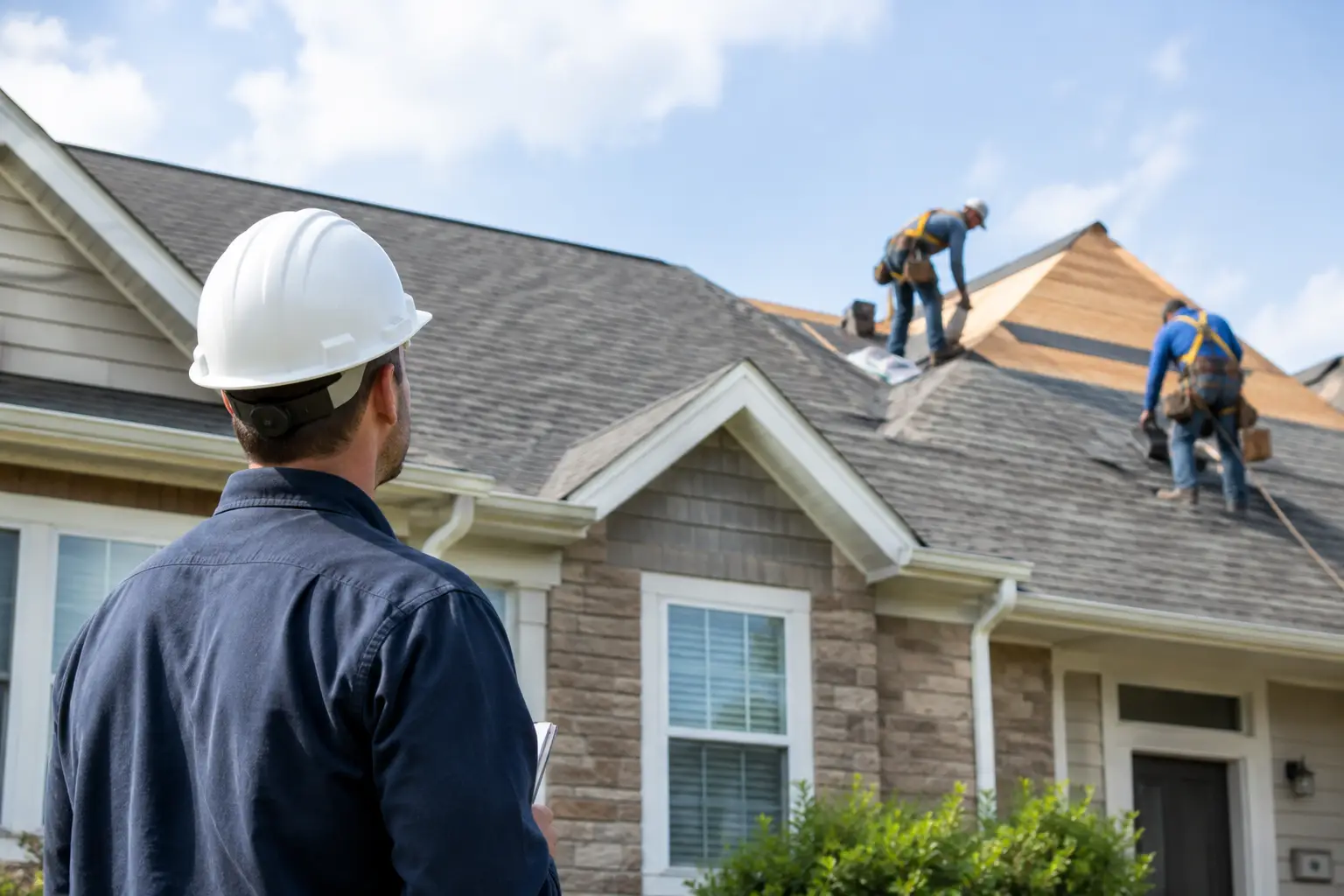


A roof leak does not wait for a convenient month. Neither does a failing gutter system, drafty window, damaged siding, or unsafe front step. For many North Carolina homeowners, home improvement financing options make it possible to address an urgent concern now while protecting room in the household budget for everything else.
The right approach depends on the project, your timeline, the equity in your home, and how comfortably you can manage a monthly payment. Financing can be a practical tool for a necessary repair or a well-planned upgrade, but it works best when you understand the costs and ask clear questions before signing an agreement.
Start With the Project, Not the Payment
It is tempting to begin with one question: What will the monthly payment be? That number matters, but it should come after you understand the full scope of work. A low payment stretched over a long period can cost more than a higher payment with a shorter term. On the other hand, a payment that strains your budget can turn a good improvement into a source of stress.
Start with a detailed estimate that identifies the work, materials, expected timeline, and total project cost. For major exterior work, such as a roof replacement, siding installation, window replacement, deck, garage, or room addition, make sure the proposal addresses the details that affect long-term performance. A lower upfront price is not always the better value if it leaves out necessary preparation, drainage work, permits, quality materials, or proper installation.
Separate needs from wants where possible. Repairing a leaking roof, replacing unsafe stairs, or correcting water runoff may need immediate attention. A new patio enclosure or workshop may allow more time to save, compare financing terms, or complete the project in phases. Both types of projects can be worthwhile, but they call for different decisions.
Common Home Improvement Financing Options
Most homeowners use one of several approaches. Each has benefits and trade-offs, so the best fit is personal rather than universal.
Savings or cash
Using savings avoids interest charges and monthly loan payments. It can be an excellent choice for smaller repairs, planned upgrades, or projects that fit comfortably within funds you have already set aside.
The trade-off is liquidity. Draining an emergency fund to pay for a new driveway or replacement windows can leave you exposed if a vehicle repair, medical expense, or another home issue appears soon afterward. Before paying cash, consider keeping enough reserves for unexpected needs.
Contractor financing
Many homeowners choose a payment plan offered through their improvement contractor and a lending partner. This can be especially helpful when a roof, siding, windows, gutters, concrete work, or accessibility ramp needs to be completed without waiting years to save the full amount.
The convenience is straightforward: you can discuss the project scope and financing process at the same time, then decide whether the terms fit your budget. Qualified buyers may find no-money-down options available. However, approval, rates, loan amounts, and repayment terms vary by applicant and financing program. Review the annual percentage rate, payment schedule, term length, fees, and any promotional-period conditions before moving forward.
For homeowners who value one accountable team from the estimate through installation, contractor financing can also simplify the planning process. Carolina Improvements can discuss flexible financing options during a free in-home estimate, along with the details of the work itself.
Home equity loan or home equity line of credit
If you have built equity in your home, a home equity loan or home equity line of credit, often called a HELOC, may provide funds for a larger project. A home equity loan generally provides a lump sum with a fixed repayment schedule. A HELOC usually works more like a revolving line of credit, allowing you to draw funds as needed during an approved period.
These products can offer competitive rates compared with unsecured borrowing, but they use your home as collateral. They may also involve appraisal requirements, closing costs, and a longer application process. They can make sense for substantial improvements, such as a room addition, garage, major exterior renovation, or broad renovation completed in stages, but they may not be the fastest option for an urgent repair.
Personal loans
An unsecured personal loan does not require you to use your home as collateral. Funds may be available relatively quickly, and the fixed payment structure can make budgeting easier.
Rates depend heavily on credit profile, income, debt, and the lender. For some borrowers, the cost may be higher than a secured loan or a contractor financing offer. It is worth comparing the total cost of borrowing rather than focusing only on the advertised interest rate.
Credit cards
Credit cards can be useful for a limited portion of a project, such as a small repair or a deposit, particularly if you can pay the balance off quickly. They are usually a poor fit for large construction work if the balance will carry over for many months. High variable interest rates can make a modest project far more expensive than expected.
A promotional rate can look appealing, but read the terms carefully. Know when the promotion ends, whether deferred interest applies, and whether you can realistically repay the balance before regular rates take effect.
How to Compare Financing Offers Clearly
Comparing home improvement financing options is easier when you use the same questions for every offer. Look beyond the payment amount and ask for the total amount financed, annual percentage rate, loan term, monthly payment, and total repayment amount. Ask whether there are origination fees, late fees, prepayment penalties, or required down payments.
Also confirm whether the interest rate is fixed or variable. A fixed rate means the interest rate and principal-and-interest payment generally remain predictable over the term. A variable rate may start lower but can change over time, making future payments harder to forecast.
If an offer includes a promotional rate, ask what happens after the promotional period. A zero-percent offer can be valuable when the repayment plan is realistic. It becomes less attractive if the balance will remain when the promotional period ends or if deferred-interest terms could add interest retroactively.
Finally, keep the project price and financing decision connected but distinct. A dependable contractor should provide a clear, written project estimate whether you pay with cash, financing, or another method. You should know exactly what you are approving before deciding how to pay for it.
Match the Financing Method to the Improvement
The urgency and useful life of the project should influence the financing conversation. Financing a durable roof replacement may be easier to justify than financing a purely cosmetic change with a short expected lifespan. A well-installed roof, replacement windows, siding, gutter system, retaining wall, or driveway can protect the property, improve comfort, and reduce the risk of more costly damage.
For urgent repairs, speed may matter most. Water entering through a damaged roof or siding can affect framing, insulation, ceilings, and interior finishes. In that case, waiting until enough cash is available may cost more than responsible financing.
For elective upgrades, such as a patio, fence, enclosure, deck, or flooring update, timing is often more flexible. You may choose to save for part of the project, finance the remaining balance, or complete the work in phases. A good contractor can help you identify which elements should be handled together and which can reasonably wait.
Keep Your Budget Grounded
Before accepting financing, review your monthly household budget honestly. Consider the payment alongside insurance, taxes, utilities, existing debt, transportation, child care, and regular savings. Leave a margin for normal life expenses rather than committing every available dollar to a renovation.
It is also wise to avoid financing more than the project requires. Additions and exterior improvements can uncover conditions that were not visible during the initial review, particularly in older homes. Ask your contractor how change orders are handled and keep a reasonable contingency for projects where hidden conditions are more likely.
The goal is not simply to get approved. It is to choose a payment plan that lets you complete quality work without creating a financial burden that follows you longer than necessary.
A thoughtfully financed improvement can help you solve a pressing problem, protect your home, or create a space your family uses every day. Begin with a detailed estimate, compare terms carefully, and choose the option that supports both the project and your long-term peace of mind.