
A roof rarely fails all at once. More often, homeowners notice a water stain near a ceiling vent, shingles collecting in the yard, or a dark streak that was not there last season. This residential roof replacement guide helps you decide when replacement makes more sense than repair, what materials to consider, and how to prepare for a well-managed project.
A new roof is one of the most significant investments you can make in your home. It protects framing, insulation, ceilings, belongings, and the exterior systems below it. The goal is not simply to install new shingles. It is to address the full roofing system so your home is protected through North Carolina heat, rain, wind, humidity, and changing seasons.
When Does a Roof Need Replacement?
Age is a useful starting point, but it is not the only factor. Many asphalt shingle roofs last roughly 20 to 30 years, depending on material quality, ventilation, weather exposure, installation, and maintenance. A roof may need attention sooner if it has endured storm damage, poor drainage, or repeated repairs.
Visible issues can provide clear clues. Curled, cracked, missing, or bald shingles often mean the roof is nearing the end of its useful life. Granules in gutters are another sign that asphalt shingles are breaking down. On the inside, ceiling stains, peeling paint near the roofline, damp insulation, or a musty attic smell deserve prompt attention.
One small leak does not always require a new roof. A localized issue around flashing, a pipe boot, or a damaged shingle may be repairable. Replacement becomes the better long-term decision when problems appear in several areas, repairs are becoming frequent, or the roof has reached the end of its expected service life. A professional on-site assessment can separate a repairable concern from a system-wide failure.
Start With a Complete Roof Assessment
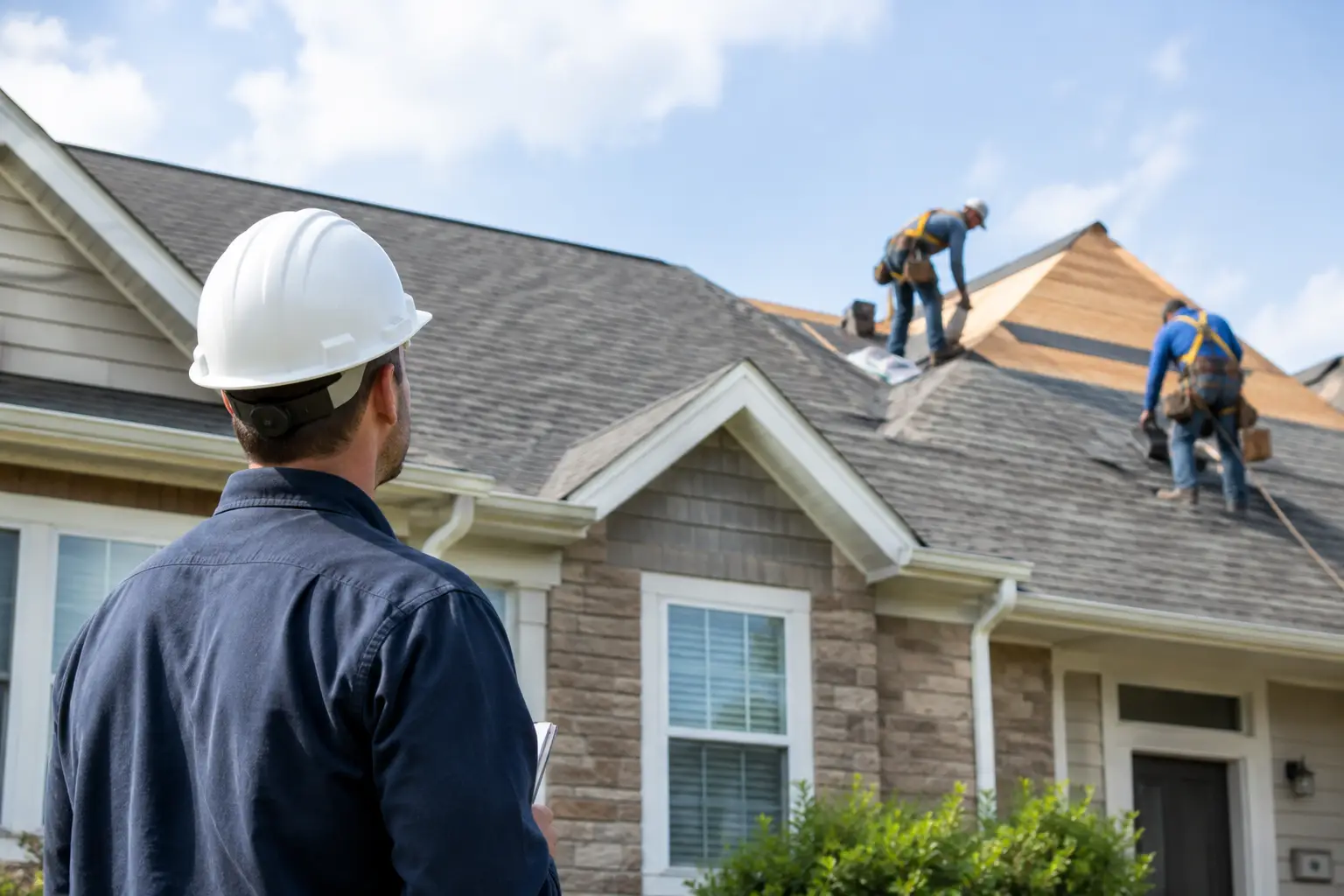
A dependable roof estimate should be based on more than a quick look from the driveway. A contractor should inspect the shingle condition, roof penetrations, flashing, valleys, ridge areas, gutters, attic ventilation, and signs of decking damage. This process helps identify conditions that can affect the scope and cost before work begins.
Ask what the estimate includes. Homeowners should understand whether the proposal covers tear-off and disposal, underlayment, ice and water protection where appropriate, flashing, ventilation, replacement of damaged decking if needed, cleanup, and warranty information. Clear details make it easier to compare proposals fairly.
It is also wise to discuss whether the roof design has weak points that can be improved during replacement. For example, poorly ventilated attic space can trap heat and moisture, shortening shingle life and increasing strain on your cooling system. Worn pipe boots and improperly installed flashing can allow water in even when the shingles themselves look acceptable.
Choose the Right Roofing Material for Your Home
The best material depends on your budget, roof pitch, appearance preferences, maintenance expectations, and how long you plan to remain in the home. There is no single right answer for every property.
Asphalt Shingles
Asphalt shingles remain a popular choice because they offer dependable protection, a wide range of colors, and strong value for many homeowners. Architectural shingles provide more dimension and durability than basic three-tab options. They work well on many North Carolina homes and can complement traditional, colonial, ranch, and contemporary exteriors.
The trade-off is that shingles have a shorter expected service life than metal roofing and may be more vulnerable to severe wind damage if installation or ventilation is inadequate. Quality materials and careful installation matter as much as the shingle style itself.
Metal Roofing
Metal roofing can offer a longer service life, excellent water shedding, and a clean appearance that suits everything from farmhouses to modern homes. It may be a practical choice for homeowners planning to stay in their property for many years or those who want a low-maintenance exterior system.
Its higher upfront cost is the main consideration. Metal roof installation also requires experienced workmanship, precise trim details, and correct fasteners. The right system can provide lasting value, but it should be selected for the home and budget rather than chosen solely for its lifespan.
Low-Slope and Flat Roof Materials
Porches, additions, and certain roof sections may have a low slope that is not appropriate for standard shingles. Rubber and TPO roofing systems can provide reliable protection for these areas when installed correctly. If your home has more than one roof type, make sure the proposal addresses each section with a material designed for its slope and drainage needs.
Plan for Cost Without Chasing the Lowest Bid
Roof replacement costs vary because no two homes are exactly alike. Roof size, pitch, number of layers to remove, material selection, chimney and skylight details, decking condition, accessibility, and ventilation needs all influence the final price.
A low estimate may leave out important components or rely on lower-grade materials. A higher estimate is not automatically better, either. What matters is a complete scope of work, clear communication, proper licensing and insurance, qualified installation, and materials suited to your home.
When reviewing estimates, look beyond the total. Confirm the material manufacturer and product line, the underlayment type, flashing approach, ventilation plan, cleanup process, and workmanship coverage. If financing would help you complete the work at the right time, ask about available options rather than postponing a needed replacement until water damage becomes more expensive.
Prepare Your Home for Roof Replacement
A professional crew will handle the worksite, but a few simple steps can make the project easier for everyone. Move vehicles out of the driveway and away from the house so materials and equipment can be delivered safely. Secure patio furniture, grills, potted plants, and outdoor decorations near the work area.
Inside, remove fragile items from walls and shelves, particularly on the upper floor. Roofing work can create vibration. Let neighbors know about the project, especially if shared driveways, close property lines, pets, or young children are involved.
Expect some noise during tear-off and installation. Your contractor should explain the schedule, protect landscaping as reasonably as possible, manage debris, and perform a thorough cleanup. A clean job site is not just a courtesy. It reflects organized project management and attention to your property.
Questions to Ask Before You Sign
A replacement roof should come with answers, not assumptions. Ask who will oversee the project, how the crew will protect your property, and how unexpected decking damage will be handled. Find out how long the work is expected to take and whether weather delays could change the schedule.
You should also ask about warranty coverage. Manufacturer warranties generally address material defects, while workmanship warranties address installation. Both matter, but they cover different concerns. Keep copies of your contract, product information, warranty documents, and final invoice in a home maintenance file.
For homeowners in Greensboro, Winston-Salem, High Point, and surrounding North Carolina communities, local experience matters as well. A contractor familiar with regional weather patterns and common home styles can recommend practical details that support long-term performance.
Protect Your Investment After Installation
A new roof needs very little day-to-day attention, but regular observation is worthwhile. Keep gutters clear so water can move away from the roof edge. Trim branches that scrape shingles or drop heavy debris. After severe storms, look for displaced shingles, damaged flashing, or fallen limbs, and schedule an inspection if something appears unusual.
Avoid walking on the roof unless necessary. Foot traffic can damage materials, and roof work is safer when handled by trained professionals. Periodic inspections can catch minor concerns before they become leaks that affect insulation, framing, or interior finishes.
Carolina Improvements helps homeowners plan roof replacements with clear recommendations, quality materials made in the USA, professional installation, and a focus on clean, durable results. When your roof begins showing its age, an in-home assessment can turn a stressful question into a practical plan for protecting the home you have worked hard to maintain.