
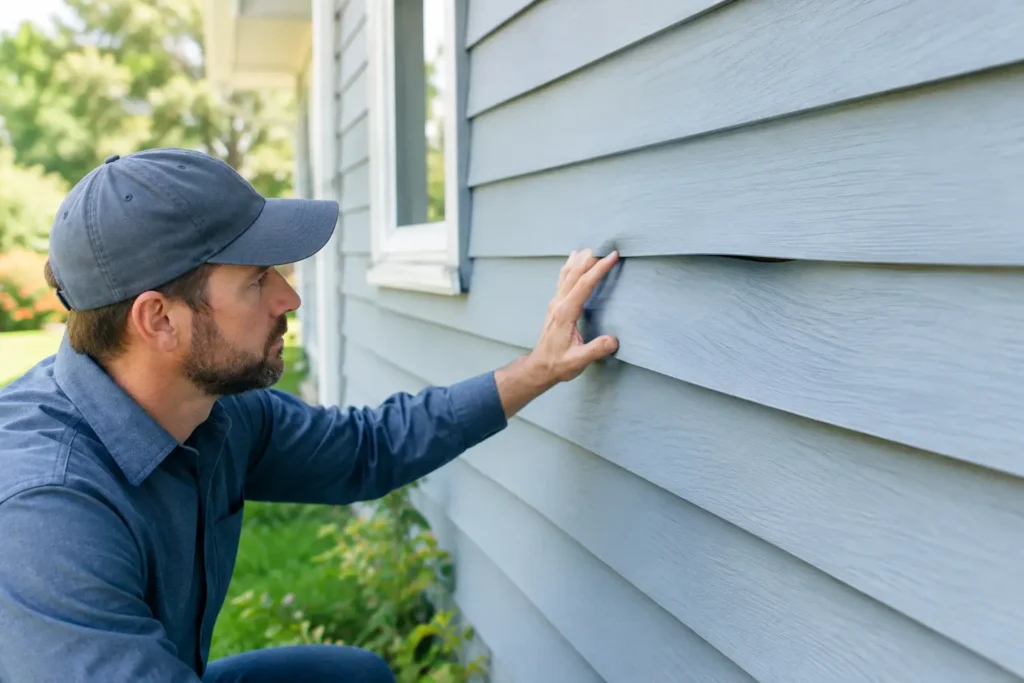
A section of siding that bows, ripples, or pulls away from the wall can change the appearance of a home quickly. But why does siding warp? The answer is not always age alone. Heat, installation issues, moisture behind the panels, and impacts can all change how siding sits on your home. The right repair depends on identifying the cause before water or structural damage has a chance to spread.
Why Does Siding Warp?
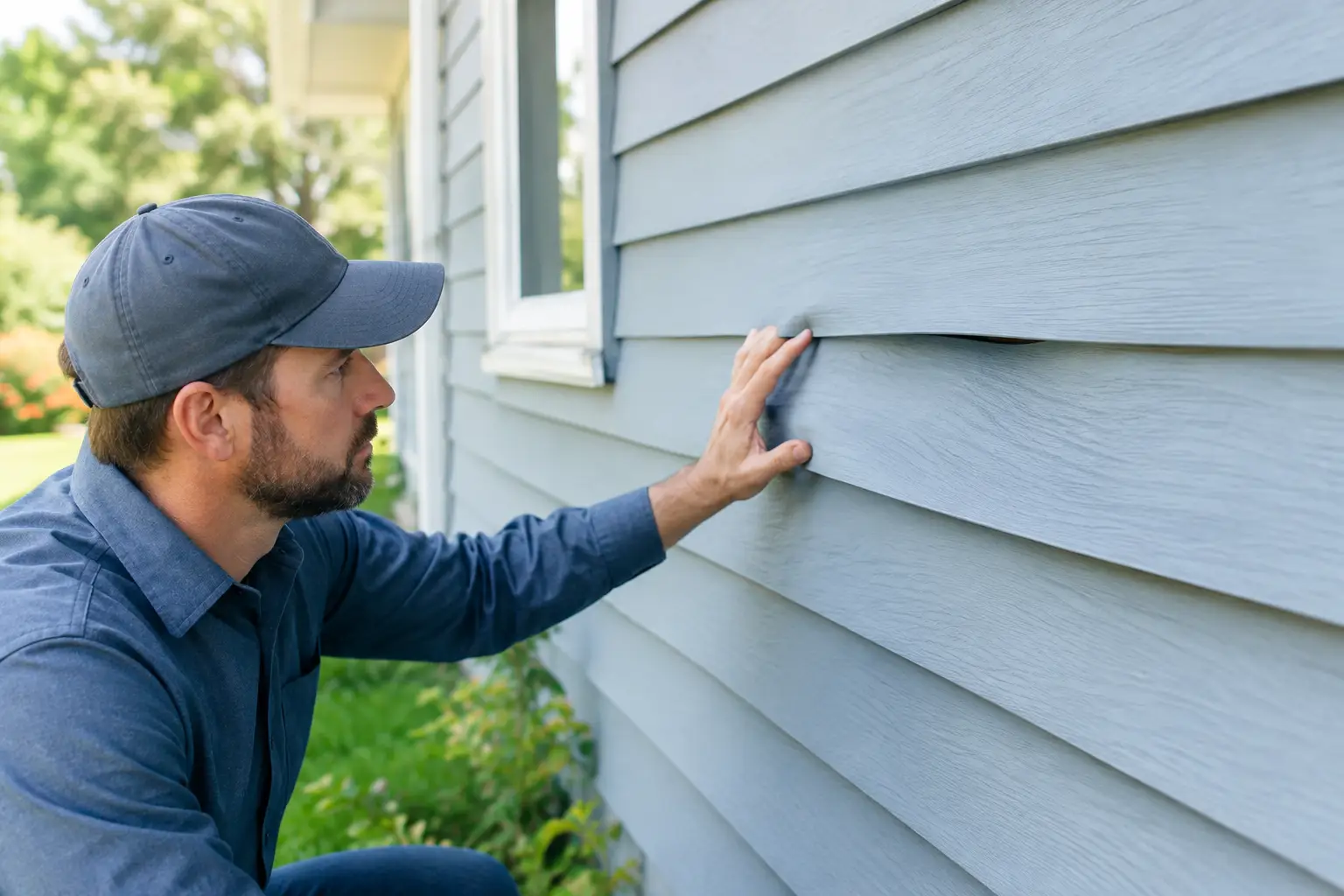
Warping is a broad term homeowners use for several different siding problems. Vinyl siding may buckle in a wavy pattern, appear melted, or look loose and uneven. Wood siding may cup, twist, or swell. Fiber cement siding can bow or show gaps when moisture management or installation details fail.
Siding is designed to protect the wall assembly beneath it while allowing for normal movement caused by temperature changes. When it cannot move as intended, gets exposed to unusually high heat, or absorbs water where it should stay dry, it can lose its flat, finished appearance.
The visible problem may be limited to one wall, but the cause can originate nearby. A careful inspection should look beyond the damaged panel to the windows, roofline, gutters, flashing, and ground drainage around that area.
Heat Is a Leading Cause of Vinyl Siding Warping
Vinyl expands in warm weather and contracts when temperatures fall. Proper installation accounts for that movement. Panels need room to slide slightly at the nail hem, and fasteners should be placed correctly instead of driven tight against the siding.
When siding is nailed too tightly, it may not be able to expand. On a hot day, the pressure can create buckles or ripples between fasteners. This problem often becomes more noticeable on long walls that receive direct afternoon sun.
Extreme reflected heat is another common issue. Low-emissivity window glass can reflect concentrated sunlight onto an adjacent wall. A nearby window, glass door, or even another building can create a hot spot that distorts vinyl siding. In these cases, the affected area may look softened, wrinkled, or melted while the rest of the wall remains in good condition.
Replacing only the damaged panels may restore the appearance, but it will not solve an ongoing reflected-heat problem. The source of the reflection needs to be evaluated as well. Depending on the situation, a contractor may recommend a window screen, awning, landscaping adjustment, or a more heat-resistant siding material for the exposed area.
How to Recognize Heat Damage
Heat-related distortion usually has a localized pattern. Look for siding that is wavy near a window, warped in one concentrated section, or visibly softened rather than simply aged. Damage may be worse on west- or south-facing walls, where sun exposure is strongest.
If the siding is uniformly rippling across a large wall, tight fastening or improper installation is more likely than a single reflected heat source.
Moisture Can Warp Siding From Behind
Siding is the outer layer of a larger system. Behind it are components that help manage water, including housewrap, flashing, trim, and the wall sheathing. When water gets behind siding repeatedly, the effects can show up as bowed panels, staining, soft spots, loose trim, or siding that no longer lies flat.
For vinyl siding, moisture may not deform the vinyl itself as dramatically as it does wood. However, wet or deteriorated sheathing behind the siding can create an uneven surface that makes the wall look warped. Loose panels can also allow wind-driven rain to reach places it should not.
Wood is particularly vulnerable to moisture. It expands as it absorbs water and contracts as it dries. Repeated wet-dry cycles can cause cupping, splitting, peeling paint, and rot. Fiber cement is more resistant to rot and insects, but it still relies on correct flashing, clearances, and painted cut edges to perform as intended.
Common moisture sources include leaking gutters, overflowing downspouts, failed window flashing, roof leaks, sprinkler overspray, and soil or mulch placed too high against the siding. In North Carolina, humid summers and heavy rainstorms make dependable water management especially important.
Signs the Problem May Be Water-Related
Pay attention if warped siding appears near a roof-to-wall transition, below a window, around a chimney, or beside a downspout. Softness when pressed, discoloration, mildew, peeling paint, and recurring insect activity can also point to moisture behind the exterior finish.
Do not assume caulk alone will fix a water issue. Caulk can be useful at certain trim joints, but siding systems also need properly installed flashing and a path for water to drain away. Trapping water behind a repair can make the underlying problem worse.
Installation Errors Can Cause Buckling and Loose Panels
Even quality siding can fail to look right if it is installed without the correct spacing, fastening, or preparation. Vinyl siding should hang on the wall rather than being pinned tightly in place. Nails should be centered in the slots, driven straight, and left with enough clearance for movement.
Other installation problems include using the wrong fasteners, failing to allow expansion gaps at trim, installing siding over an uneven wall, or skipping needed repairs to damaged sheathing. If the wall beneath the siding is not sound and flat, new siding may follow those imperfections.
This is one reason a lower initial price is not always the best value. Repairing buckled siding often requires more than swapping a few panels. The contractor may need to remove siding, correct the wall surface or moisture source, replace damaged materials, and reinstall the system properly.
Fiber cement products such as James Hardie siding have different installation requirements from vinyl. They do not expand and contract in the same way, but they do require precise fastening, proper gap treatment, and careful moisture detailing. The material choice should fit the home, exposure conditions, maintenance preferences, and budget.
Impact, Age, and Structural Movement Also Matter
Storm debris, ladders, sports equipment, and lawn equipment can crack or loosen siding. A panel that has been bent or pulled free may eventually appear warped because it is no longer secured correctly. Wind can worsen an existing loose area, especially after a severe storm.
Age can contribute, too. Older vinyl can become brittle, while older wood may have accumulated moisture damage over years of repainting and weather exposure. Still, age is usually a contributing factor rather than a complete explanation. A ten-year-old wall with major distortion deserves an inspection, not just a quick cosmetic repair.
In some cases, apparent siding warping is a clue that the house itself has moved. Settlement, framing problems, or significant sheathing deterioration can cause a wall to look uneven. These concerns are less common, but they should be taken seriously when there are also cracks in drywall, sticking doors or windows, or a noticeable bow in the wall.
Can Warped Siding Be Repaired?
It depends on the material and the reason it changed shape. A single loose vinyl panel may be resecured or replaced if the surrounding siding and wall are dry and sound. A small impact-damaged section can often be repaired without replacing an entire elevation.
Heat-melted vinyl generally needs replacement because it will not return to its original shape. If the color has faded, matching a replacement panel can be difficult. A skilled contractor can assess whether a targeted repair will blend acceptably or whether replacing a larger section will provide a better result.
When moisture has damaged sheathing, trim, or framing, the affected siding must be removed so the hidden repairs can be completed. Covering over a soft wall may look better briefly, but it leaves the home vulnerable to further rot and water intrusion.
Full siding replacement may be the wiser choice when damage is widespread, repairs keep recurring, the siding is near the end of its service life, or homeowners want an opportunity to improve curb appeal and long-term durability. The best choice balances the current condition of the home with the cost of future repairs.
What Homeowners Should Do Next
Start by taking photos of the affected area and noting when you first noticed the change. Check for overflowing gutters, blocked downspouts, roof damage, or nearby windows that may reflect intense sunlight. Avoid nailing, gluing, or caulking distorted siding in place before the cause is known, since that can restrict movement or conceal water damage.
A professional exterior assessment can determine whether the issue is isolated or part of a larger concern. Carolina Improvements helps North Carolina homeowners evaluate siding, trim, gutters, windows, and other exterior components together, so recommendations address the source of the problem rather than only the visible symptom.
A wall that begins to ripple or pull away is your home asking for attention. Addressing it early can protect the materials behind the siding and give you a clearer path to a repair that lasts.