
A brown spot on the ceiling after a hard Greensboro rain is easy to dismiss as a small problem. It rarely is. Water can travel along roof decking, rafters, insulation, or wiring before it reaches the room below, which means the visible stain may be well away from the actual entry point. Prompt roof leak repair Greensboro homeowners can rely on helps protect more than shingles – it can prevent damage to framing, drywall, insulation, and personal belongings.
The right response is not always a full roof replacement. Some leaks come from a damaged boot around a plumbing vent, loose flashing near a chimney, or shingles lifted by wind. Others point to broader wear that makes a repair only a temporary fix. A thorough inspection gives you a clear picture of what is happening and what level of work makes sense for your home.
What to Do When You Notice a Roof Leak
Start by protecting the inside of the home. Move furniture, electronics, and rugs away from the affected area, then place a bucket or waterproof container under active dripping. If the ceiling is bulging, keep people away from it. A sagging, water-filled ceiling can fail without much warning.
If you can safely access the attic, look for wet insulation, damp wood, or visible dripping. Do not walk across ceiling drywall or attempt to climb onto a wet roof. Take a few photos of the stain, dripping, or attic moisture if possible. They can help document changes and give a roofing professional useful context.
Then arrange an inspection as soon as conditions allow. Waiting for the next storm can turn a manageable repair into a larger project. Even when dripping stops, trapped moisture may continue to affect wood and insulation.
Roof Leak Repair in Greensboro Starts With Finding the Source
A leak is a symptom, not a diagnosis. The most dependable repair begins with a careful look at the roof system, not a quick patch applied near a ceiling stain. An experienced contractor checks the shingles or metal panels, underlayment, flashing, roof penetrations, valleys, ridge areas, gutters, and attic conditions to narrow down where water is getting in.
Greensboro homes face a mix of heavy rain, summer storms, wind, humidity, leaf buildup, and occasional winter ice. Those conditions can expose small roofing weaknesses over time. A roof that looks fine from the driveway may still have cracked sealant, nail pops, loosened flashing, or damaged shingles in areas that are hard to see from the ground.
Common Causes of Residential Roof Leaks
Missing or cracked shingles are a familiar source of trouble, especially after windstorms. Once the protective surface is compromised, water can work beneath nearby shingles and reach the roof deck. Granule loss, curled shingle edges, and exposed nail heads may also signal aging materials that are no longer shedding water as effectively as they should.
Flashing problems are another frequent cause. Flashing is the material used to direct water away from roof joints and transitions, including chimneys, skylights, walls, vents, and valleys. When flashing is bent, rusted, improperly sealed, or pulled loose, water can enter at a point where several roofing materials meet.
Plumbing vent boots deserve attention as well. Rubber or plastic boots around vent pipes can crack from sun exposure and age. The leak may appear minor, but the opening around the pipe can allow water to enter each time it rains.
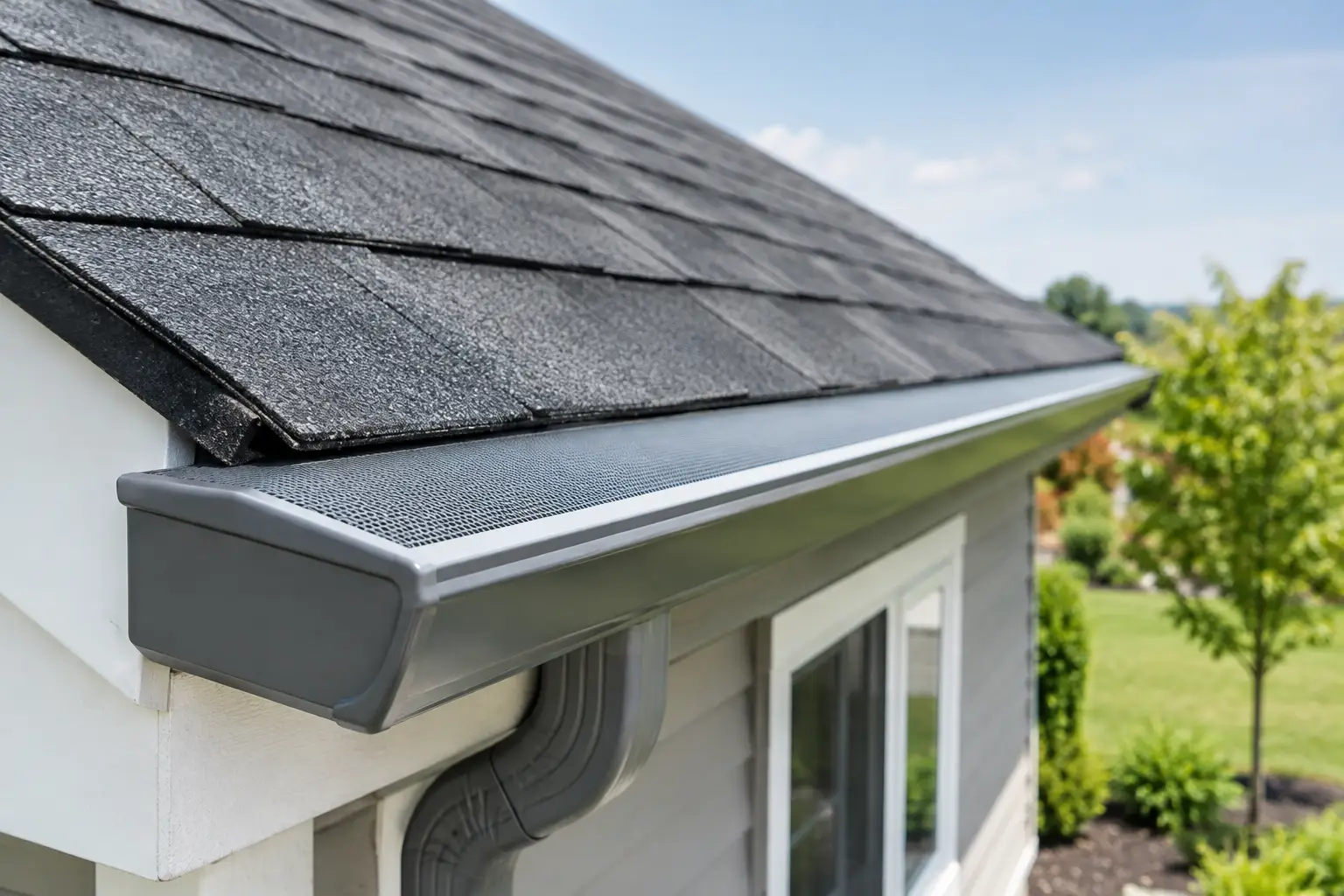
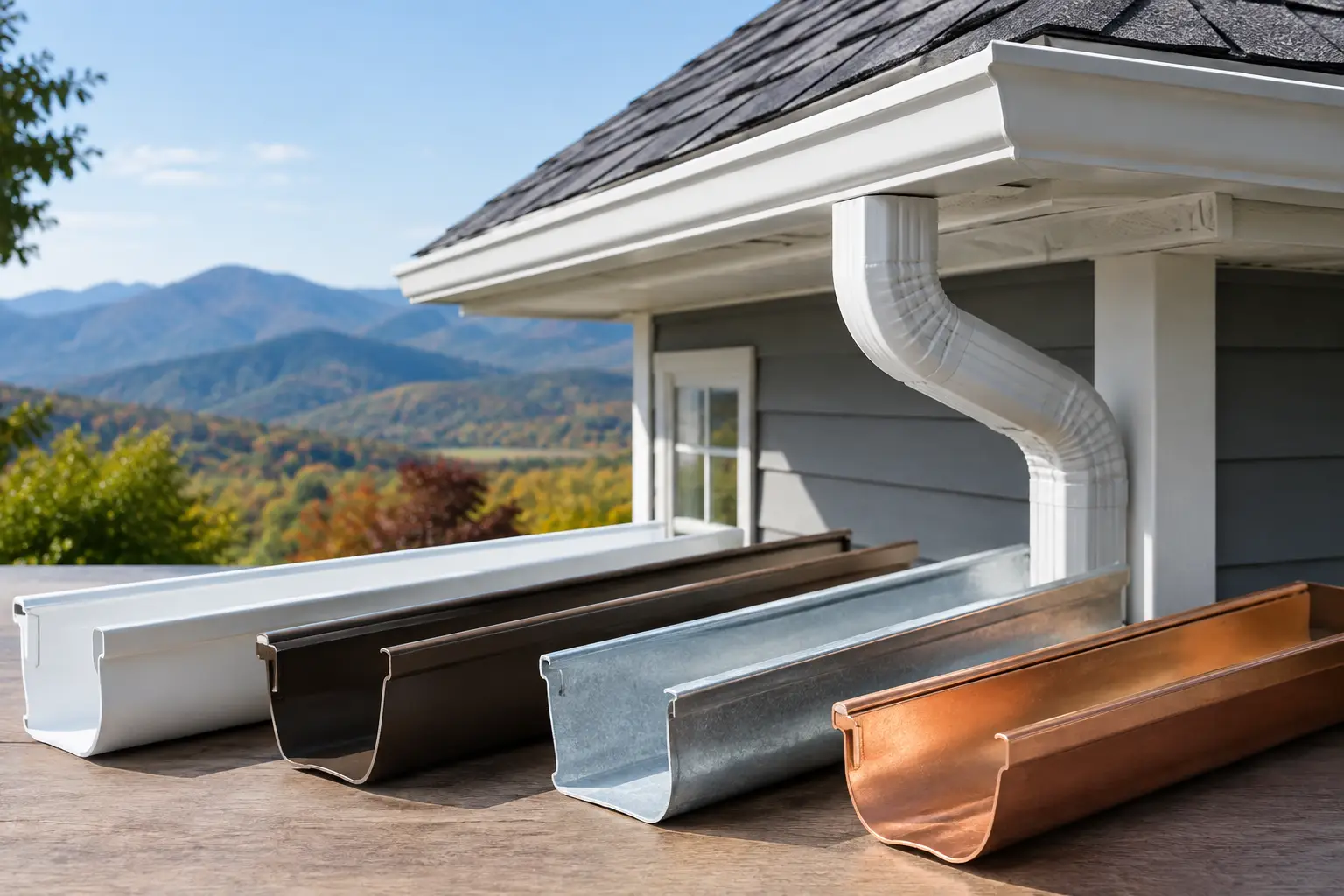
Clogged or failing gutters can contribute to water issues at the roofline. Gutters do not usually create a leak in the middle of the roof, but overflowing water can back up near fascia boards, soffits, and roof edges. If water is also reaching siding, windows, or the foundation, the home may need a more complete water-management solution.
Repair or Replacement: Which Makes Better Sense?
The answer depends on the roof’s age, the extent of the damage, and the condition of the surrounding materials. A localized issue on a newer roof may be a good candidate for repair. Replacing a limited number of wind-damaged shingles, resealing a flashing detail, or installing a new vent boot can restore protection without replacing the entire roof.
Replacement may be the better long-term choice when leaks are recurring, shingles are widely worn, the roof deck has moisture damage, or the roof is approaching the end of its expected service life. Patching one area at a time on an aging roof can add up, and it may not address the next weak point waiting to fail.
A professional should explain the trade-off clearly. Homeowners deserve to know whether a repair is expected to provide a lasting solution or simply buy time before replacement. A detailed estimate should identify the work being recommended, the materials involved, and any related concerns found during the inspection.
Why Matching Materials Matters
A roof repair should do more than stop water for the moment. New shingles need to be integrated correctly with existing materials so water flows over the roof as intended. Color matching can be difficult on older roofs because sun exposure changes the appearance of shingles over time, but proper installation and weather protection matter far more than a perfect cosmetic match.
For metal and low-slope roofing, the repair method is different. Fasteners, seams, flashing, coatings, and membrane conditions all need to be evaluated based on the roof type. That is one reason a one-size-fits-all repair approach can create more problems than it solves.
Signs You Should Not Wait for the Next Storm
Not every roofing concern comes with active dripping. Watch for water stains on ceilings or walls, peeling paint near the roofline, musty attic odors, wet insulation, mold-like discoloration, and daylight visible through attic decking. Outside, loose shingles, damaged flashing, sagging areas, granules in gutters, and deteriorated roof edges are all worth a closer look.
A leak can also show up around a chimney, skylight, or exterior wall after wind-driven rain but remain dry during a light shower. That pattern often points to a flashing or transition issue rather than a simple hole in a shingle. Sharing when and where the leak occurs helps the inspection focus on the most likely causes.
Avoid These Costly Shortcuts
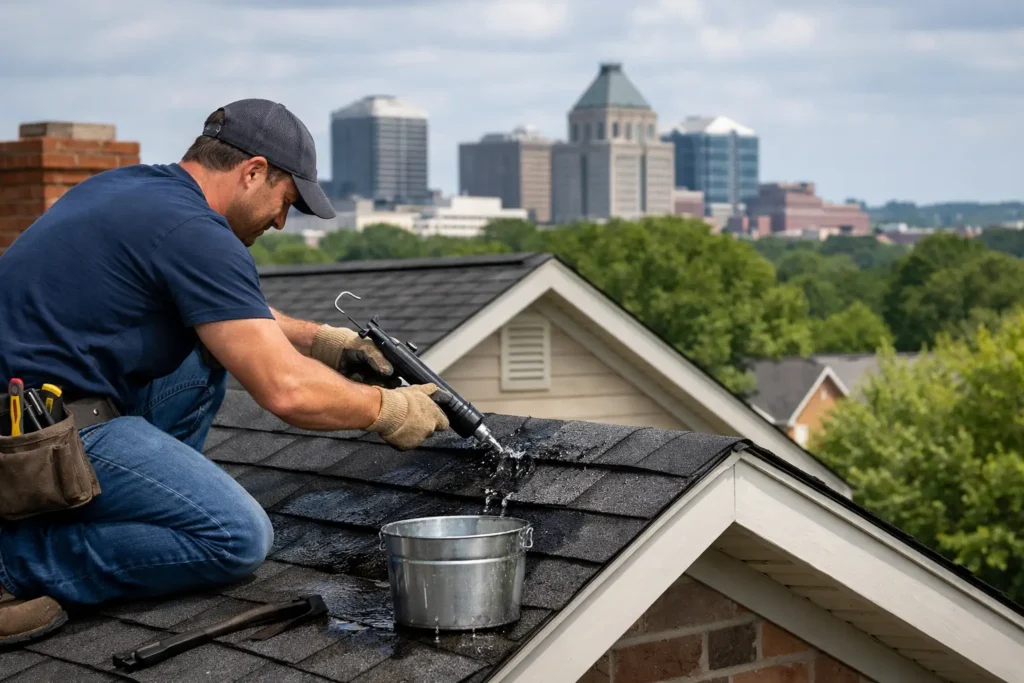
Roofing cement, caulk, and store-bought patch products can be useful for a temporary emergency measure in the right hands. They are not a dependable answer for a leak caused by failed flashing, deteriorated decking, missing underlayment, or widespread shingle wear. Covering the visible spot can trap moisture or redirect water to another area.
It is also wise to avoid pressure washing a roof or aggressively scraping away debris. These actions can remove shingle granules, damage seals, and create fresh entry points for water. If branches are rubbing the roof, leaves are collecting in valleys, or gutters are overflowing, address those issues carefully as part of routine exterior maintenance.
What a Professional Roof Inspection Should Provide
A useful inspection should leave you with practical answers, not more uncertainty. You should understand where the leak is likely coming from, what damage is visible, whether the roof deck or attic has been affected, and which repair options fit the condition of your roof.
Carolina Improvements helps homeowners evaluate roof concerns with a straightforward, consultative approach. The goal is to recommend work that protects the home and fits the actual condition of the roof, whether that means a targeted repair or planning for replacement. Clear communication, quality materials, and a clean worksite matter just as much as the repair itself.
Protect the Rest of the Home While You Address the Roof
Once water enters the roofing system, the repair may extend beyond the roof surface. Wet insulation can lose effectiveness. Damaged drywall may need to dry fully before it is repaired. If water has affected fascia, soffits, siding, or gutters, those components should be reviewed so the same problem does not return at the roof edge.
This is where working with a full-service home improvement contractor can be especially helpful. Instead of coordinating separate providers for roofing, gutters, siding, or interior repairs, homeowners can get recommendations that consider how those systems work together.
A roof leak does not need to become a major disruption, but it does need timely attention. Protect the interior, document what you see, and schedule a professional assessment before the next round of rain gives water another path into your home.