
A new fence can make a backyard feel private, safer for children and pets, and more finished from the street. But a fence that looks simple on paper can become costly if the property line is guessed, the posts are set poorly, or the material does not suit the site. This residential fence installation guide explains how North Carolina homeowners can plan the project carefully and get a result built to last.
Start With the Purpose, Not the Material
Homeowners often begin by asking whether they want wood, vinyl, aluminum, or chain link. That decision matters, but the better first question is what the fence needs to do. Privacy, pet containment, pool safety, curb appeal, and defining a property boundary can each point toward a different design.
A six-foot privacy fence may be the right choice for a close backyard in Greensboro or High Point, especially where neighboring homes sit nearby. An open aluminum fence can be a better fit around a landscaped yard, a pool area, or a property with a view worth preserving. For a large side yard or practical pet enclosure, coated chain link can offer dependable containment at a lower initial cost.
The site also affects the answer. Sloped yards, mature trees, drainage swales, retaining walls, and existing patios all influence layout and installation details. A professional site visit helps identify these conditions before materials are ordered or post locations are marked.
Confirm Boundaries, Rules, and Utilities First
The most expensive fence mistake is placing it on the wrong line. Do not rely solely on an old stake, a neighboring fence, a tax map, or a verbal understanding with the neighbor. If there is any uncertainty, review your survey and consider having the boundary confirmed by a licensed surveyor before construction begins.
Homeowners should also check local zoning requirements, HOA rules, and permit requirements. Rules can address fence height, placement near streets or intersections, permitted materials, gate locations, and how far a fence must sit back from a property line. Pool fences have additional safety requirements that should be addressed early in the planning process.
Before digging, underground utility lines must be located. That includes more than power and gas lines. Cable, irrigation, communications lines, and private utilities may also cross the yard. A professional installer plans around marked utilities and adjusts the layout when needed rather than treating a post hole as a guess.
It is also wise to speak with adjacent neighbors before work begins. You do not need their approval for a fence installed entirely on your property, but a clear conversation can prevent confusion about access, shared views, or the finished side of the fence.
Choose a Fence Material for Long-Term Ownership
Every material involves a trade-off among appearance, maintenance, durability, and budget. The best choice is usually the one that fits how you plan to use and maintain your home over the next several years.
Wood Fencing
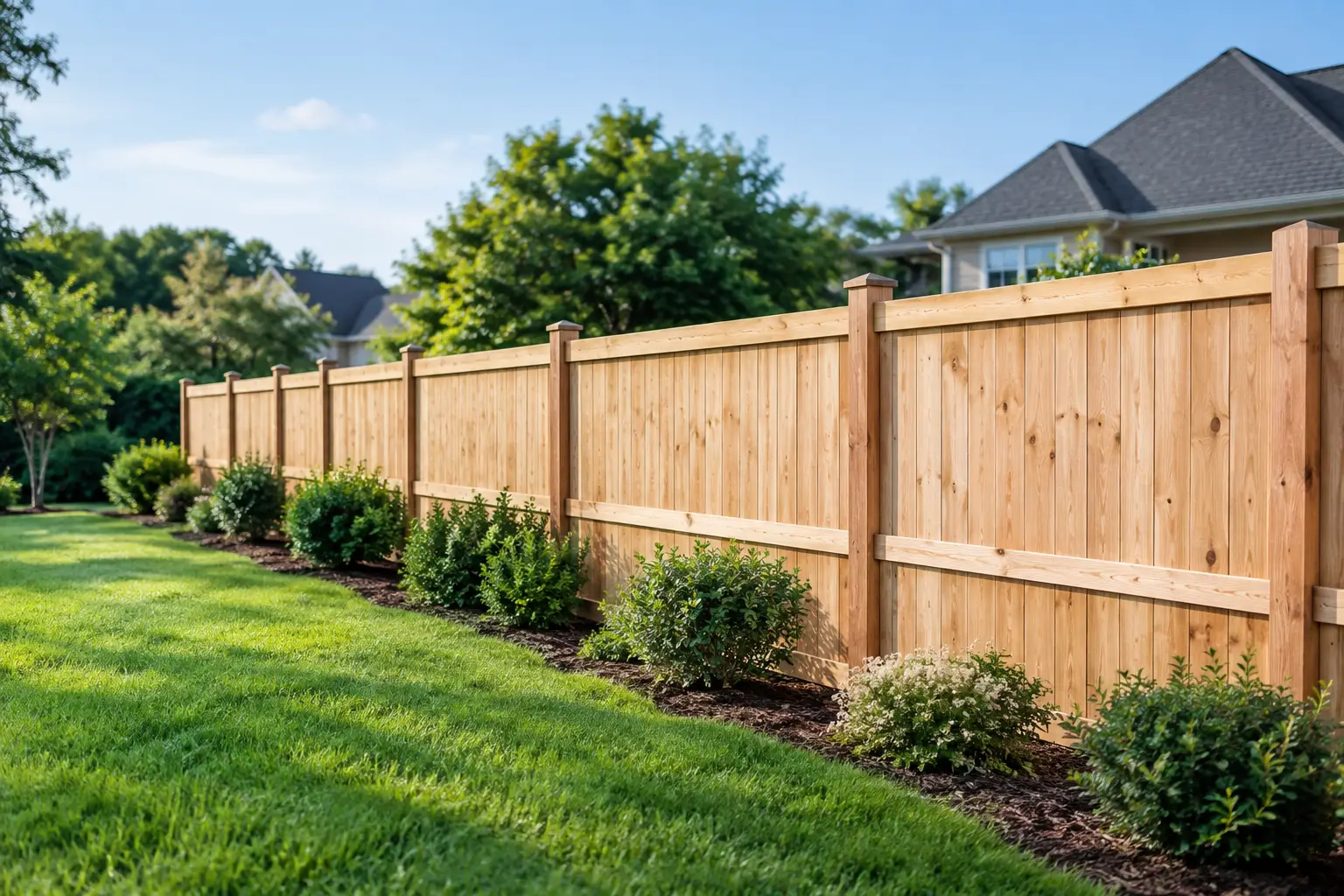
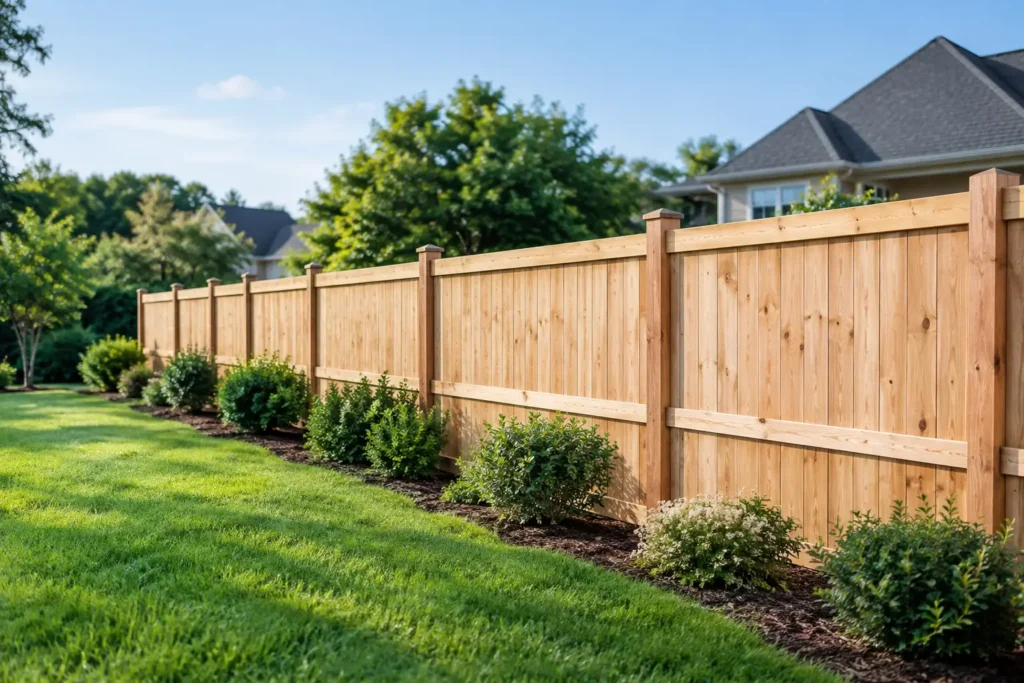
Wood remains a popular privacy-fence material because it has a classic appearance and can be built in many styles. It can be painted or stained, repaired board by board, and tailored to the property. On the other hand, North Carolina heat, humidity, rainfall, and changing temperatures can wear on wood. Expect periodic cleaning, staining or sealing, and occasional board or fastener repairs.
The quality of the lumber and the way posts are installed make a significant difference. A well-built wood fence should have properly sized posts, sturdy rails, quality fasteners, and enough clearance from the ground to reduce moisture exposure.
Vinyl Fencing
Vinyl offers a clean, consistent appearance with low routine maintenance. It does not need painting, and it handles moisture well. For homeowners who want privacy without planning for regular staining, vinyl can be a practical investment.
Its limitations are worth considering. Vinyl generally costs more upfront than basic wood, and damaged sections may require replacement rather than a simple repair. It is also important to use a quality product designed for outdoor exposure and installed with the proper reinforcement where required.
Aluminum and Steel Fencing
Aluminum fencing is often chosen for its refined appearance, open sightlines, and resistance to rust. It works especially well around pools, gardens, patios, and front yards where a solid privacy barrier would feel too closed in. Many systems can follow a slope without the stair-step appearance common with some panel fences.
Steel can provide added strength in certain applications, but material selection should match the property and the desired look. Open-style fencing does not offer privacy, so some homeowners use it at the front or along a scenic boundary and add a privacy fence in more secluded areas.
Chain Link Fencing
Chain link is a straightforward choice for pet areas, utility spaces, and large lots. Modern black or green vinyl-coated options can look more polished than traditional galvanized chain link while retaining the same practical benefits. Privacy slats are available, though they do not perform or look exactly like a solid wood or vinyl fence.
Plan the Layout Around Gates and Everyday Use
A fence is only as convenient as its gates. Consider how equipment, trash bins, lawn tools, pets, and people will move through the space. A narrow gate may work for foot traffic but create a problem when a mower, wheelbarrow, or future outdoor project needs access.
Most yards benefit from at least one wide access gate in addition to a standard walk gate. Gate placement should avoid awkward slopes, drainage paths, and areas where a vehicle or equipment cannot approach easily. Gates are also among the most heavily used parts of a fence, so they need solid posts, appropriate hardware, and careful alignment from the start.
If the fence connects to a deck, patio, garage, or retaining wall, discuss those transitions during planning. Small layout decisions at these connection points affect both appearance and long-term performance.
What Professional Fence Installation Should Include
A dependable installation process begins with an on-site assessment, a clear layout, and a detailed quote that identifies the material, style, height, gates, and expected scope of work. It should not leave homeowners guessing whether old fencing removal, post-hole digging, gate hardware, or site cleanup is included.
After the layout is confirmed, installers mark post locations and account for corners, ends, gates, changes in elevation, and utility markings. Posts are the foundation of the entire structure. Proper depth, spacing, alignment, and concrete use help prevent leaning, sagging gates, and loose panels later.
On sloped ground, the fence may be stepped in level sections or racked to follow the grade. A stepped fence can work well for privacy panels, while a racked design often provides a smoother line with aluminum systems. Neither approach is automatically better. The right option depends on the fence style, slope severity, and the amount of ground clearance needed to contain pets.
A professional crew should keep the work area organized, protect accessible landscaping where possible, remove debris, and walk the completed project with the homeowner. Carolina Improvements approaches fence projects with the same focus on clear communication, quality materials made in the USA, and clean finished work that homeowners expect from a trusted home improvement contractor.
Budget for the Full Project, Not Just the Linear Feet
Fence pricing is commonly discussed by linear foot, but that figure alone can be misleading. Corners, gates, demolition, slopes, difficult soil, material upgrades, and limited equipment access all affect the final price. A short fence with multiple gates may cost more per foot than a long, straight run.
Be careful when comparing estimates that appear far apart. Confirm the fence height, post size, rail construction, board or panel style, gate width, hardware, removal of existing material, and cleanup. A lower initial number may exclude details that are essential to a durable installation.
Financing can make a larger improvement more manageable, particularly when the fence is part of a broader outdoor project involving a deck, patio, driveway, or retaining wall. The key is choosing a scope that meets the household’s needs without cutting corners on the posts and gates that support the finished fence.
Protect Your New Fence After Installation
Once the fence is complete, keep soil and mulch from piling against the bottom of wood panels. Trim vegetation that holds moisture against the structure, and check gates periodically for loose hardware or changes in alignment. For wood fences, follow a maintenance schedule appropriate for the product and exposure conditions.
After heavy rain or seasonal ground movement, take a quick look at posts, latches, and any areas near drainage paths. Addressing a loose board or shifting latch early is simpler than waiting for a small problem to affect an entire section.
A well-planned fence should make daily life easier, whether that means giving a dog room to run, creating privacy for family time outdoors, or putting a clean boundary around the home you have worked hard to maintain. Start with an accurate layout and a realistic plan, and the finished fence can serve your property well for years.