
A low-slope roof should move water away from your home, stand up to intense summer sun, and protect the spaces below it without creating a maintenance headache. This residential TPO roofing guide helps North Carolina homeowners understand when this single-ply roofing material is a smart fit, what a quality installation involves, and what to ask before work begins.
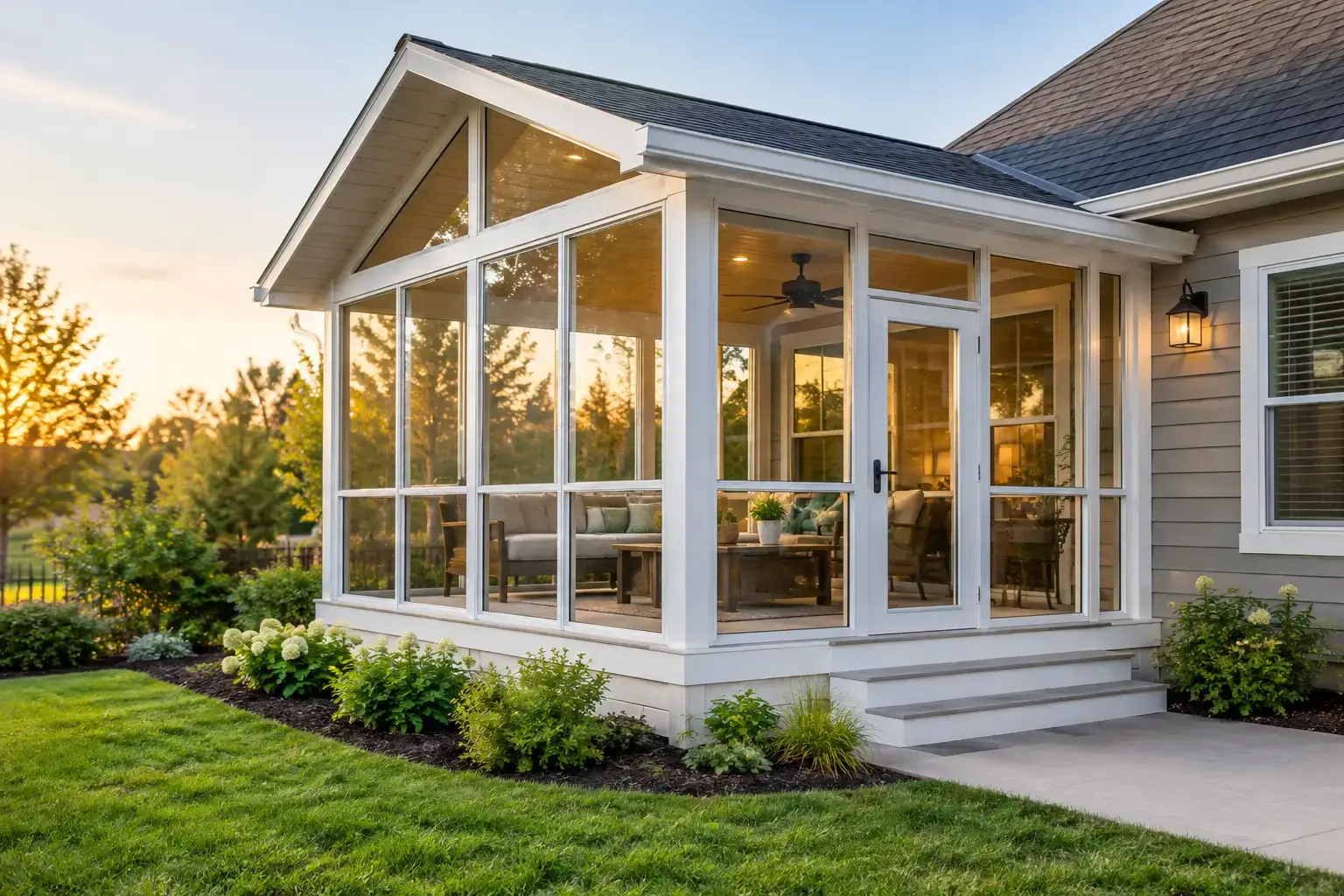
TPO, short for thermoplastic polyolefin, is a flexible roofing membrane commonly used on flat and low-slope residential roofs. It is often installed on home additions, porches, sunrooms, garages, carports, and certain modern home designs. While shingle roofing remains the right choice for many steep-slope roofs, TPO can provide reliable, clean-looking protection where shingles are not designed to perform.
What Makes TPO Roofing Different?
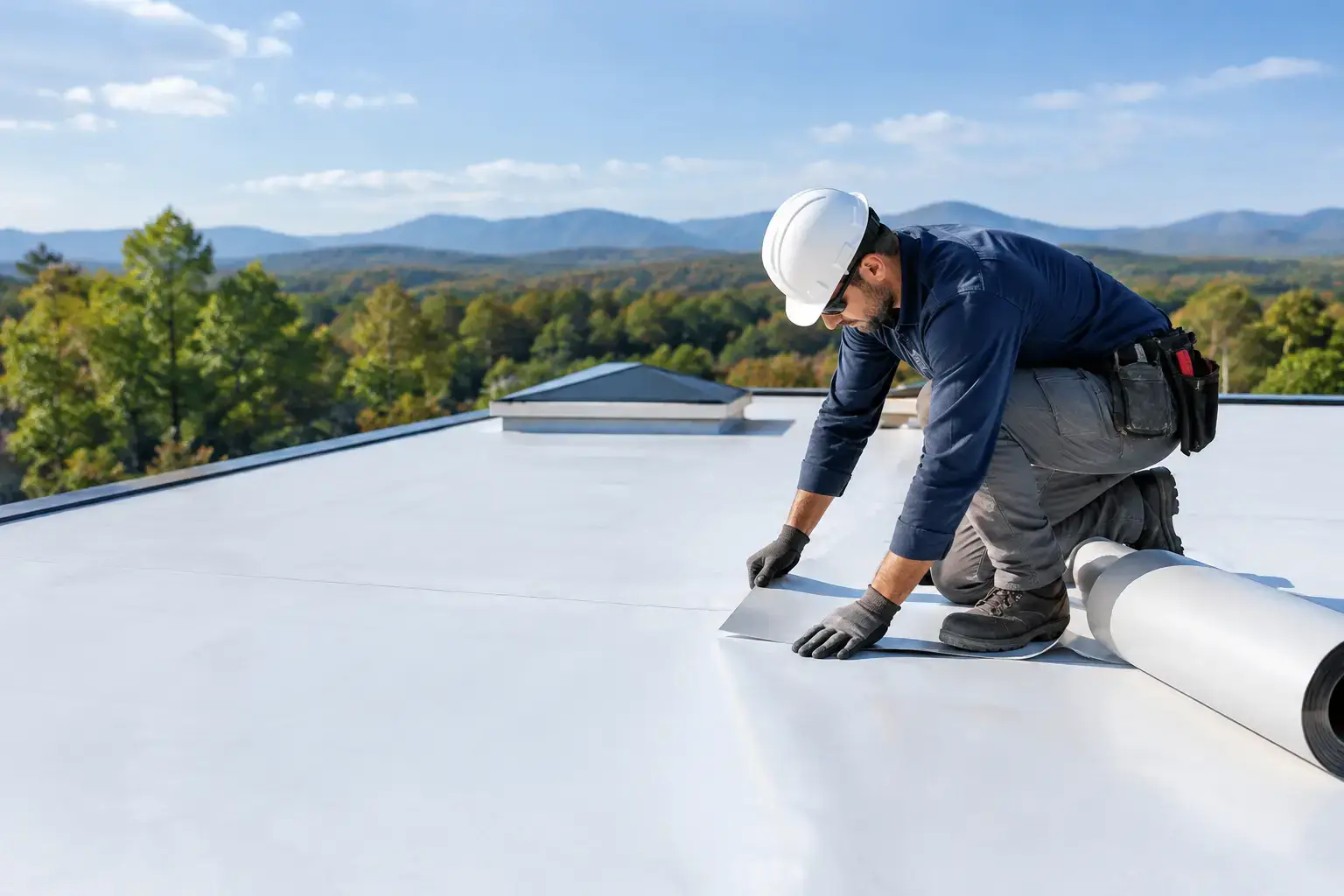
TPO is installed in wide sheets rather than overlapping individual shingles. The seams are heat-welded, creating a continuous water-resistant surface across the roof. That detail matters on low-slope areas, where rainwater drains more slowly and small installation errors can become larger problems.
Most residential TPO roofing is white or light-colored, although other colors may be available. The reflective surface can reduce how much solar heat the roof absorbs. For a sun-exposed addition or garage in Greensboro, Winston-Salem, High Point, or another North Carolina community, that may help keep the space below more comfortable during warmer months.
TPO is not a one-size-fits-all answer. A roof’s slope, drainage layout, framing condition, existing material, and how the space is used all affect whether it is the best option. A professional evaluation should look beyond the roof covering itself and identify the cause of any leaks, ponding water, or damaged decking.
When a TPO Roof Is a Good Fit
TPO is especially well suited to roofs with a low pitch. These are roofs that appear nearly flat but should still have enough slope to direct water toward drains, gutters, or scuppers. It is commonly chosen for additions and detached structures because it creates a neat, unified surface without the layered appearance of shingles.
Homeowners often consider TPO when an older rolled roof, built-up roof, or worn membrane is cracking, blistering, or leaking at seams. It can also make sense during an addition project, when matching a steep shingle roof to a low-slope section would be impractical.
The key is proper drainage. Even quality membrane roofing should not be expected to hold standing water for extended periods. If the roof deck has sagged or was built without sufficient slope, correcting those underlying conditions may be part of the project. Installing new TPO over a drainage problem can delay repairs, not solve them.
Where TPO May Not Be the Best Choice
On a conventional steep-pitch roof, architectural shingles or metal roofing are usually more appropriate. TPO can be used on a range of low-slope applications, but it is not intended to imitate the appearance of a traditional shingle roof.
Appearance can also influence the decision. A white membrane may be visible from second-story windows or neighboring properties, especially on a low-slope addition. Some homeowners prefer the practical performance of TPO; others may prioritize a material that better matches the main roof. The right recommendation balances function, appearance, budget, and expected service life.
Benefits Homeowners Can Expect From TPO
A professionally installed TPO roof offers several practical advantages. Its heat-welded seams are a major benefit because seams are often the most vulnerable part of any low-slope roofing system. Properly welded seams create a strong bond that helps defend against wind-driven rain.
The material is also lightweight, flexible, and resistant to normal weather exposure. It can accommodate minor movement in the roof structure better than rigid materials. Its reflective surface is another advantage for buildings that receive full afternoon sun.
TPO also allows for clean detailing around penetrations such as vent pipes, skylights, HVAC curbs, and wall transitions. Those locations require careful flashing and workmanship. A roof membrane performs only as well as the details at its edges and penetrations, which is why experienced installation matters as much as the material itself.
A quality roof may also make maintenance simpler. Instead of checking hundreds of individual shingles, homeowners and roofing professionals can inspect the membrane, seams, flashings, drains, and perimeter edges as one connected system.
What Affects Residential TPO Roofing Cost?
A TPO roofing estimate is based on more than square footage. The condition of the existing roof and structure is often the largest variable. If there is saturated insulation, rotted decking, poor drainage, or multiple old roofing layers, the work needed to create a dependable surface will increase.
Roof access matters, too. A detached garage with open access may be more straightforward than an enclosed patio roof surrounded by landscaping, electrical equipment, or difficult-to-reach walls. The number of corners, vents, skylights, and transitions also affects labor because each detail must be properly flashed and welded.
Membrane thickness, insulation requirements, edge metal, and warranty options can change the final price. A detailed estimate should explain what will be removed, what will be repaired if needed, how drainage will be addressed, and which materials are included. The lowest initial number is not always the best value if it leaves out essential preparation or finishing details.
Residential TPO Roofing Guide: What Installation Should Include
A dependable TPO installation begins with the roof deck. The contractor should inspect for soft spots, moisture damage, loose sections, and framing concerns before covering the surface. Damaged decking should be repaired so the membrane has a stable base.
Depending on the project, the existing roofing may be removed or a new system may be installed over an approved existing surface. A roof recovery can save time and disposal costs in the right situation, but it is not appropriate when moisture is trapped below the old roof, the deck is damaged, or added layers would create other concerns.
Next, installers prepare the surface and install any required insulation or cover board. The TPO membrane is then adhered, mechanically attached, or installed using a system suited to the roof design. Seams are heat-welded, and flashing material is fitted around walls, pipes, corners, and roof edges.
The final inspection should include drainage paths, perimeter attachment, seam quality, penetrations, and cleanup. A professional crew should protect nearby surfaces during the work and leave the job site orderly when the project is complete.
How to Care for a TPO Roof
TPO is low maintenance, not no maintenance. A visual inspection twice a year and after major storms can help identify developing concerns before water reaches the interior. Look for debris that may block drains or gutters, loose edge metal, punctures from fallen branches, and changes around pipes or wall flashings.
Keep the roof surface clear of sharp objects and avoid unnecessary foot traffic. If a technician needs access to rooftop equipment, ask that they use appropriate walk pads when needed and avoid dragging tools across the membrane. Do not use harsh solvents or unapproved coatings without guidance from a roofing professional, since they can affect the membrane or warranty coverage.
If you see water stains on a ceiling, bubbles in the roof surface, separated flashing, or standing water that remains long after rainfall, schedule an inspection promptly. Small low-slope roof issues are generally easier and less expensive to address before moisture damages insulation, decking, or interior finishes.
Questions to Ask Before You Hire a Roofing Contractor
Before selecting a contractor, ask whether they are licensed and insured, whether they regularly install TPO systems, and how they will address drainage and flashing details on your specific roof. Ask what material thickness and attachment method they recommend, along with why that system fits your property.
You should also understand the workmanship warranty, material warranty, expected project schedule, and plan for protecting landscaping and cleaning the site. A clear written estimate gives you a better basis for comparing proposals than a single price alone.
Carolina Improvements helps homeowners evaluate low-slope roofing needs with practical recommendations, quality materials made in the USA, and clear project communication. A careful on-site assessment can determine whether TPO is the right long-term solution for your home, addition, garage, or outdoor living space.
A well-planned roof replacement should leave you with more than a new surface overhead. It should give you confidence that water is being directed where it belongs and that the spaces you use every day are protected.