
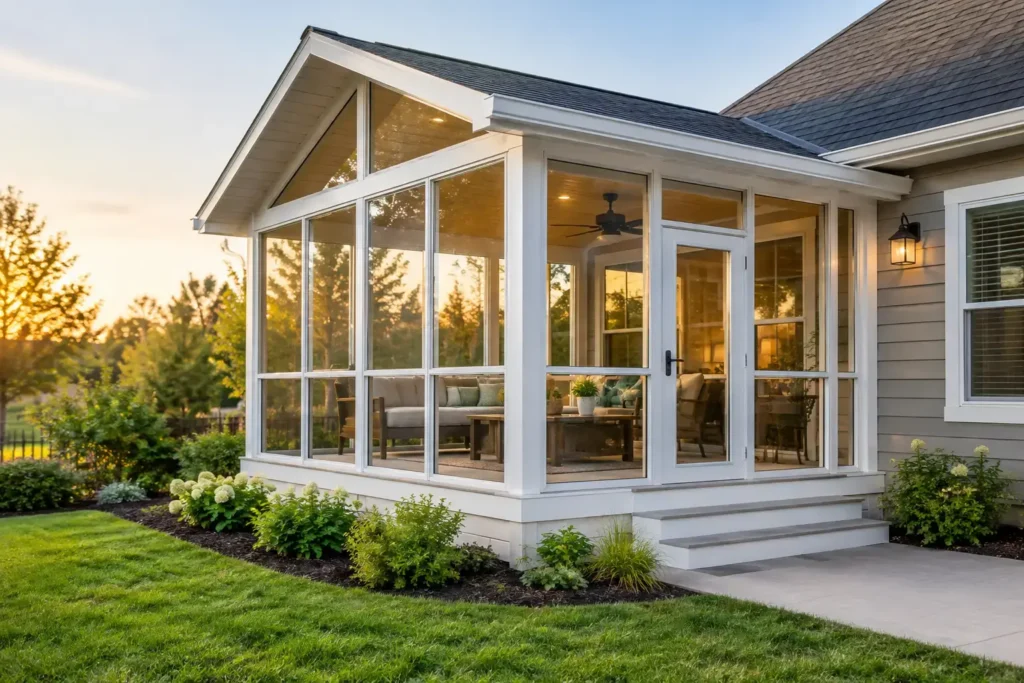
A porch can be one of the best spaces in your home until pollen, mosquitoes, summer heat, or a passing rainstorm sends everyone back inside. Learning how to choose a porch enclosure starts with deciding what you want that space to do for your family. A quiet morning coffee area needs something different than a three-season entertaining room or a fully conditioned addition.
The right enclosure makes outdoor living more comfortable while protecting the porch structure, furnishings, and finishes beneath it. The wrong choice can feel too hot, too dark, difficult to maintain, or out of step with how you actually use your home. Before choosing materials or comparing prices, take time to match the enclosure to your goals, your existing porch, and North Carolina’s changing weather.
Start With How You Want to Use the Porch
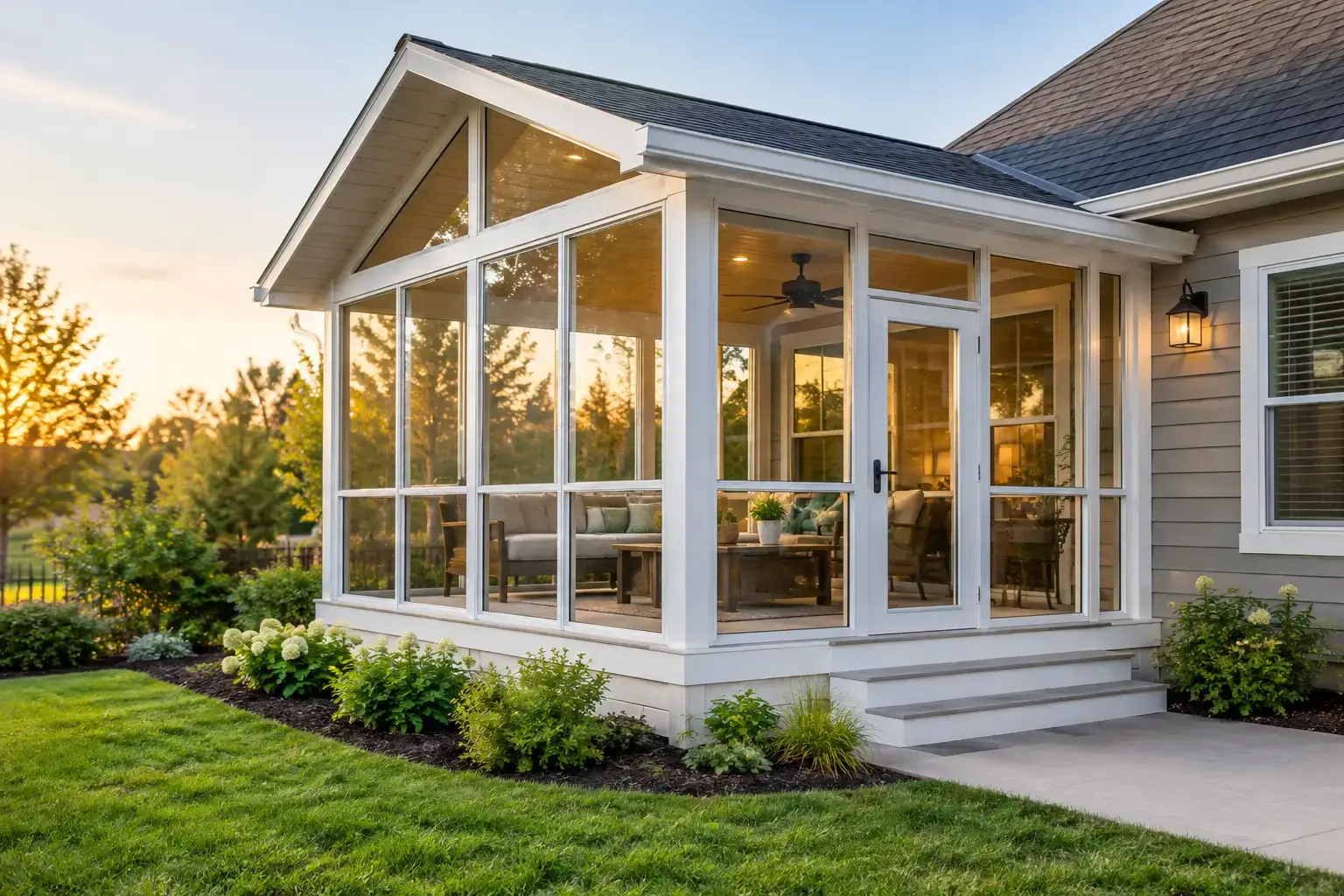
The most useful question is not, “What kind of enclosure looks best?” It is, “What do we need this room to do?” A screened porch creates a comfortable buffer from insects and blowing debris while keeping the open-air feel many homeowners enjoy. It is often the right fit for relaxing, dining, and spending time outdoors during pleasant weather.
If you want to use the space through more of the year, windows or removable vinyl panels can provide additional protection from rain, wind, pollen, and cool temperatures. A fully enclosed sunroom-style space with insulated walls, windows, and heating or cooling can offer the greatest flexibility, but it is also closer to an addition in scope, cost, and permitting requirements.
Be honest about how often you expect to use the room in January, July, and during pollen season. A three-season enclosure may be ideal for one family and disappointing for another that expects a temperature-controlled living area. Choosing the right level of enclosure early prevents paying for features you do not need or wishing you had planned for more comfort later.
How to Choose a Porch Enclosure That Matches Your Climate
North Carolina weather puts a porch enclosure through more than one test. Humidity, intense sun, heavy rain, wind-driven storms, pollen, and temperature swings all affect comfort and material performance. The orientation of your porch matters, too.
A west-facing porch can become uncomfortably hot in late afternoon, especially if large glass areas receive direct sun. Screens preserve airflow, but they will not block heat. Tinted or low-emissivity glass, insulated roof systems, ceiling fans, shades, and thoughtful window placement can make a significant difference. A porch that stays bright but overheats is less useful than one planned with solar exposure in mind.
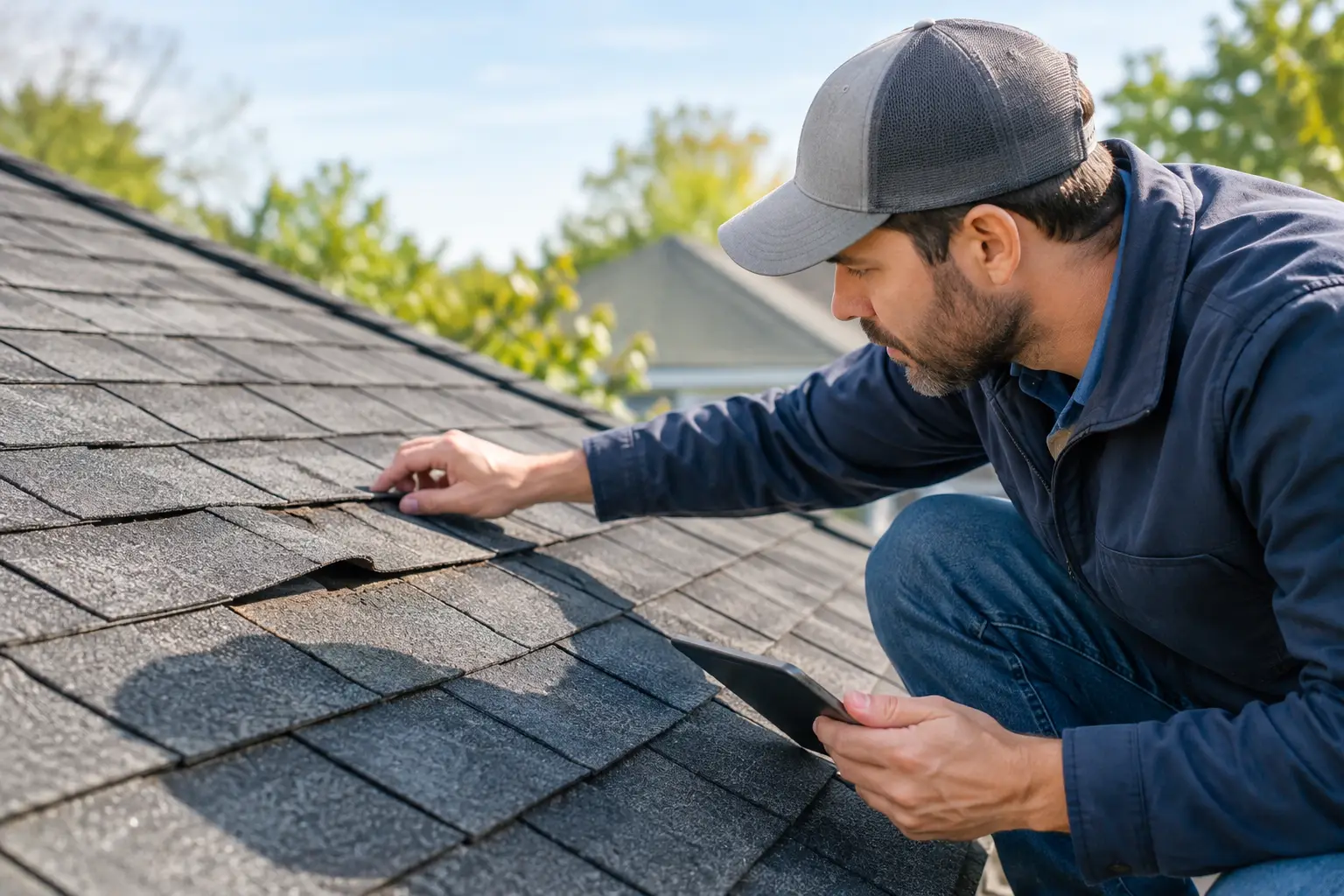
Rain protection deserves equal attention. Make sure the existing roof, flashing, gutters, and drainage are in sound condition before enclosure work begins. An enclosure can hide a water-management problem for a while, but it cannot solve a leaking roof or water that pools near the foundation. Addressing those concerns first protects the new work and helps avoid costly repairs down the road.
For insect control, screen type matters. Standard fiberglass screen is common and economical, while aluminum screen offers a firmer feel. Pet-resistant screen is worth considering for homes with dogs or cats that may lean, scratch, or push against the panels. Fine mesh options can help with small insects and airborne debris, though tighter mesh may reduce airflow and slightly dim the view.
Evaluate the Porch Before Selecting Materials
Not every existing porch is ready to be enclosed as-is. A professional assessment should look at the foundation or footings, framing, roof structure, flooring, columns, railings, and connection to the home. An enclosure adds weight, wind exposure, and new connections that the original porch may not have been designed to handle.
For example, a simple roofed deck may need stronger framing before it can support window walls. An older concrete slab may need repair or leveling before it becomes the floor of an enclosed room. Wood elements with rot, loose railings, or signs of insect damage should be repaired before new screens, windows, or trim are installed.
This is also the time to consider electrical needs. Ceiling fans, lighting, outlets, and outdoor-rated switches are easier to install before walls or ceiling finishes are complete. If you expect to add a television, heater, refrigerator, or other equipment later, planning for adequate electrical service now can save disruption later.
Choose a Style That Belongs With Your Home
A porch enclosure should look like it was planned with the house, not attached as an afterthought. The roofline, columns, trim color, siding profile, window style, and flooring all influence the finished appearance.
A traditional home may look best with divided-light windows, painted trim, and details that align with existing porch columns. A more contemporary home may suit larger glass panels, clean-lined framing, and simple dark accents. If your home has vinyl siding, fiber cement siding, brick, or stone, choose exterior finishes that create a consistent transition at the enclosure walls.
Sightlines matter inside as well. Consider what you see from the kitchen, living room, or adjacent hallway when looking toward the porch. A well-designed enclosure can extend the visual space of the home. Poorly placed framing, mismatched finishes, or a roof that blocks too much natural light can make the interior feel darker.
Set a Budget Based on the Scope, Not Just the Panels
Porch enclosure pricing varies widely because the panels are only part of the project. A basic screened enclosure typically costs less than a room with insulated windows, finished walls, electrical upgrades, flooring, and HVAC. Structural repairs, roof work, permits, and drainage improvements can also affect the investment.
It helps to separate must-haves from nice-to-haves. You may need durable screens, a secure door, proper flashing, and a ceiling fan from day one. Features such as upgraded flooring, custom shades, accent lighting, or removable seasonal panels may be items to add if the budget allows.
Avoid comparing estimates by the bottom-line number alone. Ask what materials are included, whether existing structural concerns are addressed, how the roof and wall connections will be sealed, and who is responsible for permits when they are required. A clear, detailed quote makes it easier to understand the value behind the price.
Financing can also make a larger project more manageable when it allows you to complete necessary structural work and quality installation at the same time. The goal is not simply to spend less today. It is to avoid a shortcut that creates repairs or replacement needs sooner than expected.
Think About Doors, Floors, and Everyday Maintenance
The smallest choices often have the biggest effect on daily use. A wide door makes it easier to carry in food, furniture, and outdoor cushions. A self-closing screen door can be helpful for families with children or pets. If the porch leads to a backyard, consider the natural traffic path so doors do not interfere with furniture placement.
Flooring should be selected for moisture exposure and maintenance needs. Existing concrete can be a practical base, while composite decking, tile, and other porch-rated finishes may provide a more finished appearance. Materials need to handle humidity and occasional wet conditions, especially in screened spaces where wind-blown rain can still reach the floor.
Every enclosure needs some upkeep. Screens should be checked for tears, tracks and drains should be kept clear, and sealants around windows and doors should be inspected periodically. Choosing quality, USA-made materials and having them installed correctly makes maintenance simpler and helps the enclosure continue to look good over time.
Work With a Contractor Who Can See the Whole Project
A porch enclosure often connects several home-improvement systems: roofing, gutters, siding, framing, concrete, electrical work, windows, and doors. That is why it helps to work with a licensed and insured contractor who evaluates the full project rather than treating the enclosure as a set of panels alone.
During an in-home estimate, ask for recommendations based on your porch condition, preferred use, and budget. A dependable contractor should explain the trade-offs clearly, communicate throughout the work, and leave the job site clean. Carolina Improvements helps homeowners plan porch enclosures alongside the structural and exterior work needed for a durable, finished result.
The best porch enclosure is the one that makes you want to use the space more often. Plan for the weather you experience, the way your household lives, and the condition of the porch you already have. With the right preparation, that underused area can become one of the most comfortable places at home.