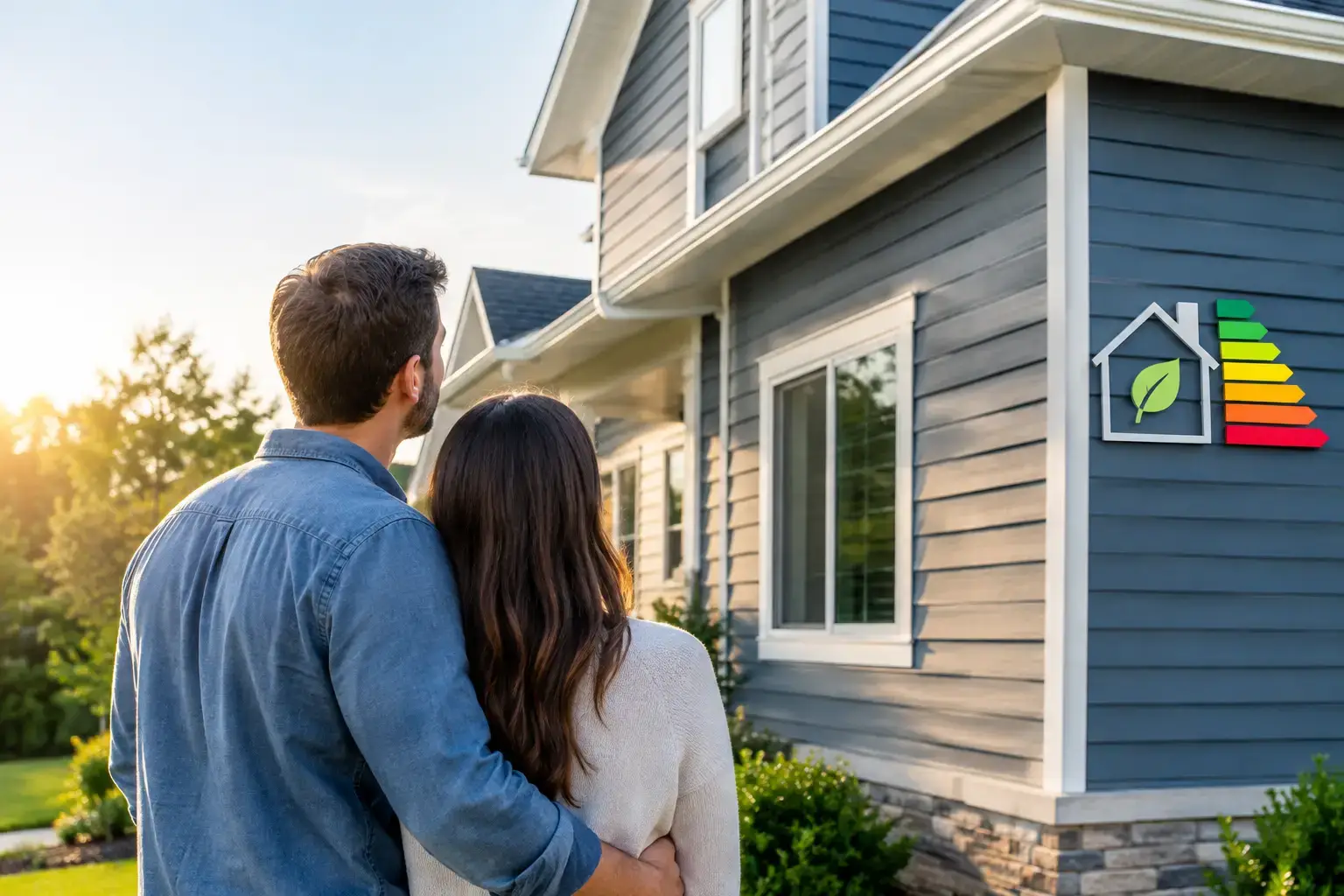

A cold room near an exterior wall, rising summer cooling bills, or noticeable drafts around outlets can make homeowners ask, does new siding save energy? It can, but siding is not a magic fix on its own. The biggest energy improvements usually come from the work behind the siding: repairing damaged sheathing, sealing air leaks, addressing missing insulation, and installing quality materials correctly.
For North Carolina homeowners, replacement siding can be a practical opportunity to improve comfort while also protecting the home from rain, humidity, and seasonal temperature swings. The key is understanding what new siding can do, what it cannot do by itself, and how to plan the project around your home’s actual needs.
Does New Siding Save Energy on Its Own?
Standard vinyl and fiber cement siding provide a protective exterior finish, but they add only a limited amount of insulation on their own. Their primary job is to shield the wall system from weather, moisture, pests, and everyday wear. If old siding is cracked, warped, loose, or allowing water behind the wall, replacement can help restore the home’s protective exterior barrier.
That protection matters for energy use. Wind-driven air can enter through gaps around exterior walls, trim, vents, and utility penetrations. Water intrusion can damage insulation and wood framing, reducing the wall’s ability to perform as intended. Replacing failing siding gives a contractor access to areas that are otherwise hidden, making it possible to correct problems before they become larger repairs.
Still, homeowners should have realistic expectations. If the walls already have good insulation and air sealing, replacing siding alone may not create a dramatic change in utility bills. The payoff may be more noticeable in improved comfort, fewer drafts, better moisture control, lower maintenance needs, and stronger curb appeal.
Where the Energy Savings Come From
The siding project becomes more valuable when it addresses the entire exterior wall assembly rather than just the visible surface. Before new siding is installed, the existing siding is removed or the wall is carefully evaluated, depending on the project. That is the right time to inspect sheathing, flashing, housewrap, trim details, and areas around windows and doors.
Air sealing behind the siding
Small gaps can have an outsized effect on comfort. Openings around plumbing lines, electrical boxes, exterior outlets, hose bibs, and wall transitions can allow conditioned air to escape. In summer, warm humid air can enter. In winter, cold air can move through wall cavities and create chilly spots indoors.
Proper air sealing helps limit that uncontrolled airflow. This is different from making a house too tight. A well-planned home still needs appropriate ventilation, especially in kitchens, bathrooms, and other moisture-producing spaces. The goal is to stop unwanted leaks through the building envelope while allowing the home’s ventilation systems to do their job.
Insulation upgrades
If wall insulation is thin, missing, wet, or compressed, a siding replacement can reveal an opportunity for improvement. Some homes, particularly older properties, may have wall sections with little insulation or gaps around additions, porches converted to living space, and other transitions.
Insulated vinyl siding includes a rigid foam backing that adds a layer of thermal resistance over the wall. It can help reduce thermal bridging, which occurs when heat moves through studs and other framing members more easily than it moves through insulated wall cavities. This product may improve comfort, though its value depends on the rest of the wall system and the quality of installation.
Fiber cement siding, including James Hardie siding, is known for durability and appearance rather than high insulating value. It can still be part of an energy-conscious project when paired with a properly installed weather barrier, air sealing, and insulation improvements where appropriate.
Repairing moisture damage
Energy efficiency and moisture protection are closely connected. Wet insulation does not work as well as dry insulation, and hidden rot can create gaps that allow air and water to move into the wall. A siding project may uncover soft sheathing, deteriorated trim, failed flashing, or areas where water has been entering around windows and doors.
Repairing those conditions protects the home structurally and helps maintain the performance of the insulation already in the walls. It also reduces the chance that a small exterior issue will become an expensive interior repair later.
What to Expect in North Carolina’s Climate
Homes in Greensboro, Winston-Salem, High Point, and surrounding communities deal with hot, humid summers, heavy rain, changing temperatures, and occasional cold snaps. That means an effective exterior wall system must manage both heat and moisture.
During summer, siding and the materials behind it help protect walls from direct rain and solar exposure. During cooler weather, air sealing and insulation help keep indoor heat where it belongs. Because humidity is a major factor in our region, correct flashing and water management are just as important as insulation. Trapping moisture inside a wall can cause problems even when the siding looks great from the street.
Color can also affect exterior surface temperatures. Darker siding absorbs more heat in direct sun than lighter colors. This does not automatically make a dark color a poor choice, but it is worth discussing material recommendations and placement with your contractor, especially on walls with long afternoon sun exposure.
Signs Your Siding May Be Affecting Comfort
A high energy bill does not always point to siding. Aging windows, attic insulation, duct leaks, roof ventilation, and an inefficient HVAC system can all contribute. But siding deserves a closer look when it is visibly failing or when comfort problems are concentrated near exterior walls.
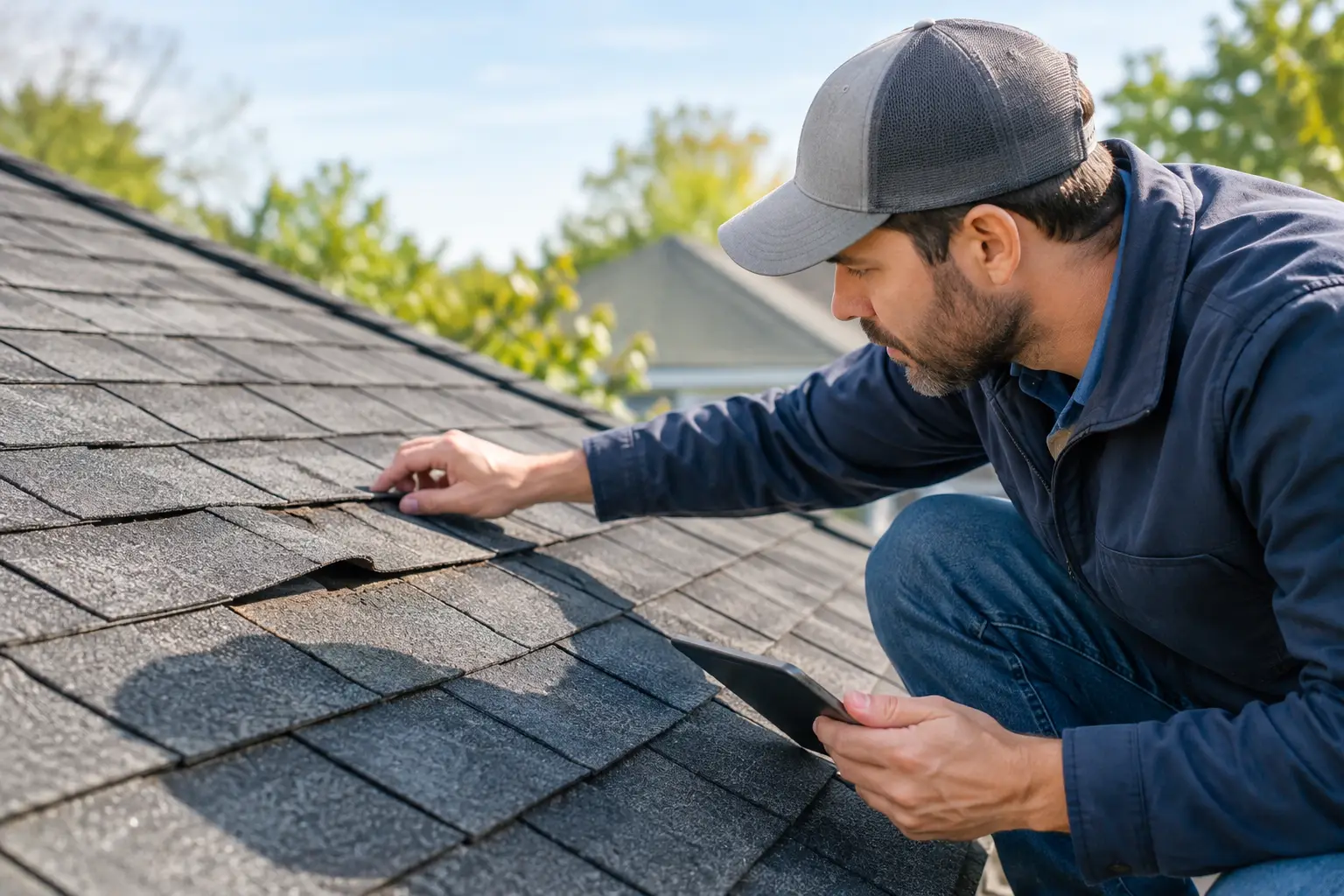
Watch for cracked or loose panels, peeling paint, rotted trim, bubbling surfaces, recurring insect activity, stains indoors near exterior walls, or soft spots around windows. You may also notice that certain rooms feel unusually warm in summer, cold in winter, or drafty when the wind picks up.
These signs do not guarantee that replacement siding will solve every energy concern. They do indicate that an on-site inspection is worthwhile. A professional evaluation can separate cosmetic wear from underlying water, insulation, or air-leak issues.
Choosing Siding With Long-Term Value in Mind
The best siding choice balances appearance, budget, maintenance expectations, durability, and the condition of the existing walls. Vinyl siding can offer low-maintenance protection and may be available with insulation. Fiber cement can provide a durable, attractive finish with strong resistance to weather and pests, especially when installed and maintained correctly.
Material quality matters, but installation quality is equally important. Siding needs room to move as temperatures change, flashing must direct water away from vulnerable areas, and trim details must be finished carefully. Poor installation can leave gaps, trap water, or shorten the life of even the best product.
Ask for a clear explanation of what will happen behind the siding. Homeowners should know whether the project includes inspection of the sheathing, replacement of damaged wood when needed, weather-resistive barrier work, flashing updates, and air-sealing recommendations. A detailed quote makes it easier to compare proposals based on the work being performed, not simply the material listed.
Make the Most of a Siding Replacement Project
If your siding needs replacement, it makes sense to look beyond the exterior finish. Consider whether aging windows or exterior doors should be evaluated at the same time, particularly if there are visible gaps, water stains, or draft concerns around those openings. Coordinating related exterior work can reduce disruption and help ensure the materials work together properly.
A professional contractor can also identify priorities if a full energy upgrade is not in the budget. Sometimes the most sensible approach is to repair damaged wall areas, install durable new siding, improve key air leaks, and plan additional upgrades in phases. Flexible financing may also make it easier to address necessary repairs before damage spreads.
New siding is first and foremost an investment in protection and appearance. When it is paired with careful repairs, sound moisture management, and attention to air sealing and insulation, it can also support a more comfortable, efficient home for years to come. A free in-home assessment from Carolina Improvements can help you understand what is behind your current siding and choose a solution that fits your home.