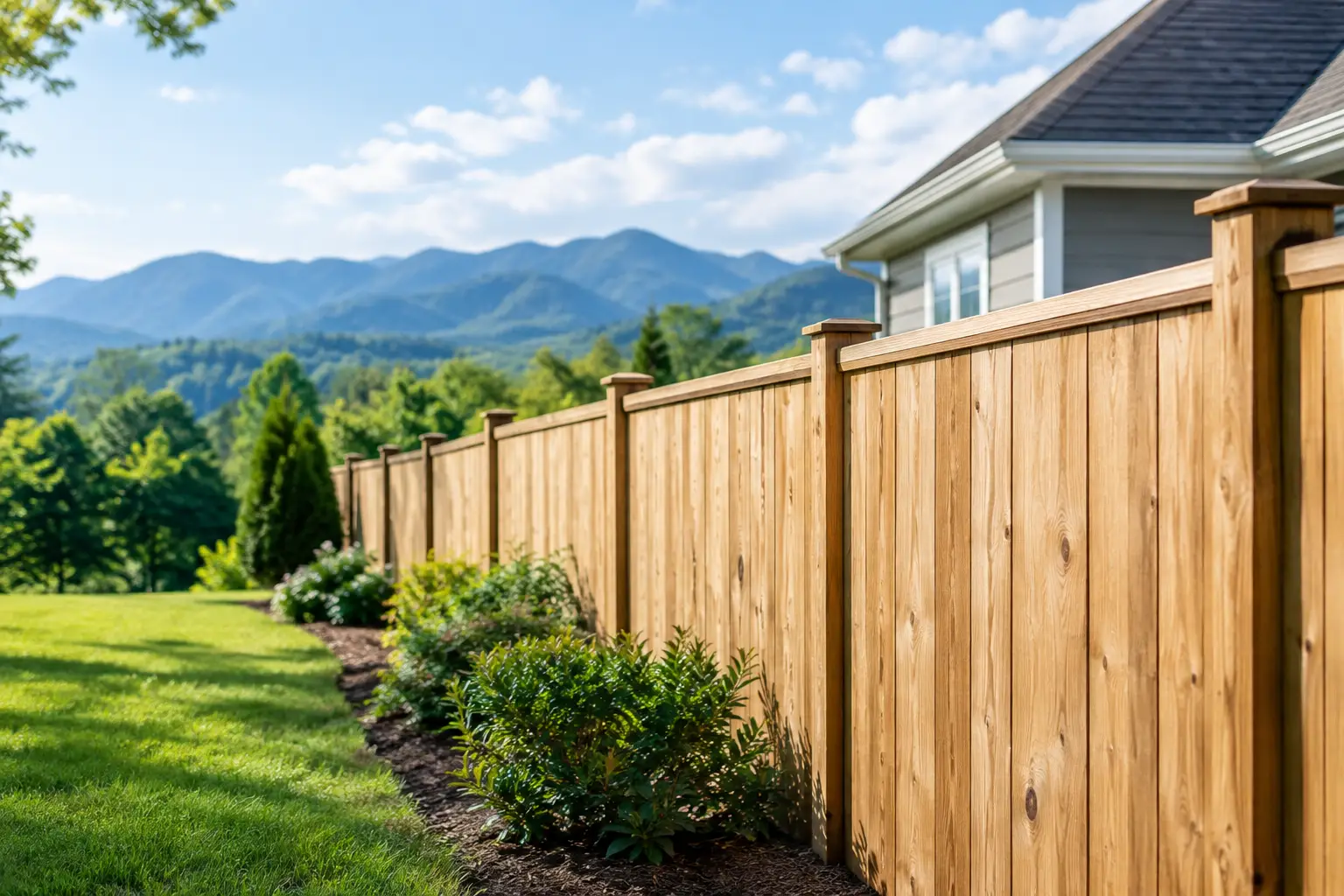

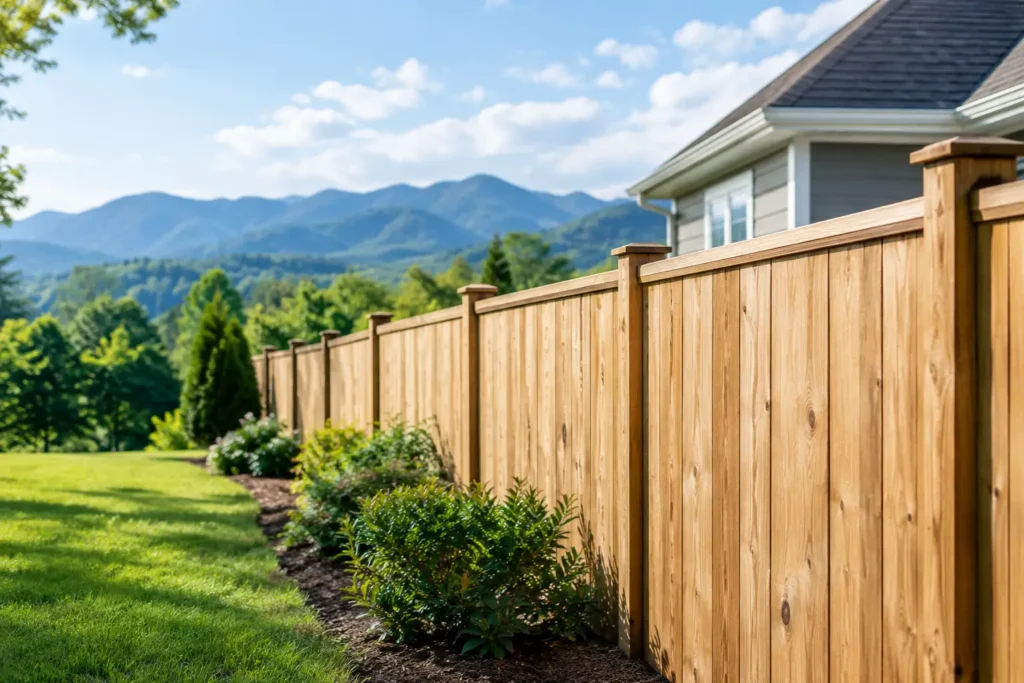
A new fence can solve a very specific problem: a dog needs a secure yard, a family wants more privacy, or a backyard needs a cleaner boundary before a patio or deck project. But North Carolina fence permits are rarely a simple statewide yes-or-no question. The answer depends on where the property sits, the fence height and location, the purpose of the fence, and rules established by the city, county, or homeowners association.
A little planning before posts are set can prevent an expensive adjustment later. It also helps ensure your finished fence provides the privacy, security, and curb appeal you expected without creating a setback, property-line, or inspection issue.
Do You Need a Fence Permit in North Carolina?
In many North Carolina communities, a typical residential fence may not need a building permit. That does not mean it is automatically approved. Local zoning ordinances can still regulate where a fence may be installed, how tall it can be, what it can look like near a street, and whether a permit, zoning review, or site plan is required.
Your local jurisdiction has the final say. A home inside Greensboro, Winston-Salem, High Point, or another incorporated municipality may follow city rules, while a nearby unincorporated property may be regulated by the county. Some properties are also within an extra-territorial jurisdiction, often called an ETJ, where municipal development standards can apply outside city limits.
Fence height is one of the most common triggers for additional review. A four- or six-foot backyard privacy fence may be treated differently from an eight-foot fence, a masonry wall, or a fence built on top of a retaining wall. Front-yard fencing often has lower height limits than rear-yard fencing, particularly near driveways and intersections where clear sight lines matter.
Pool fences require extra attention. A barrier around a swimming pool is a safety feature, not simply a privacy fence, and it may be subject to more specific code, gate, latch, height, and inspection requirements. Never assume a standard residential fence plan meets pool-barrier rules.
Local Rules Matter More Than a General Answer
Before selecting materials or scheduling installation, contact the planning, zoning, or inspections office serving your address. Ask whether your proposed fence needs a building permit, zoning permit, zoning clearance, or any other approval. Give the staff clear details: fence height, materials, location, whether it will be in the front, side, or rear yard, and whether the property has a pool, corner lot, easement, or retaining wall.
The questions below help homeowners get useful answers before work begins:
- What maximum fence height is allowed in the front, side, and rear yard?
- How far must the fence be set back from property lines, streets, sidewalks, and drainage areas?
- Are there special rules for corner lots, pool barriers, historic districts, or fences near a right-of-way?
- Is a survey, drawing, or site plan required with an application?
- Will the completed fence require an inspection?
Rules can differ even between neighboring communities. For example, one jurisdiction may allow a six-foot privacy fence close to a side or rear property line, while another may impose a setback or restrict opaque fencing in certain areas. A contractor can help identify common local requirements, but the property owner should still verify the rules that apply to the specific address.
Start With the Property Line, Not the Old Fence
An existing fence is not proof of the legal boundary. It may have been installed by a previous owner, built inside the property line, or placed over a boundary without a survey. Replacing it in the same spot can repeat an old mistake.
If the boundary is unclear, a current survey is the most reliable place to start. Look for iron pins, recorded plats, and survey documentation, but do not rely on a neighbor’s recollection or a satellite map when the fence will sit close to the line. Moving a completed fence because it encroaches on another property can cost far more than confirming the layout first.
It is also wise to talk with adjacent neighbors before construction. A friendly conversation about the fence style, height, and planned location can avoid surprises. However, a neighbor’s verbal approval does not replace zoning requirements, a survey, or any written agreement needed for a shared boundary fence.
Check HOA Covenants and Community Standards
Homeowners association approval is separate from local permitting. Even if the city or county does not require a permit, your community may require architectural review before installation. HOA rules often address fence material, color, height, style, gate placement, and whether fencing is allowed in front or visible from common areas.
This is especially common in newer neighborhoods around the Piedmont Triad and growing communities across central North Carolina. Many associations prefer wood, aluminum, or vinyl styles that match the neighborhood, and some limit privacy fencing around corner lots or open-space areas.
Request approval in writing before ordering materials. A completed fence that does not meet the covenants may have to be modified or removed at the homeowner’s expense, even when it meets local code.
Easements, Utilities, and Drainage Can Change the Plan
A fence may be allowed on your lot but still create a problem if it blocks access to an easement or interferes with drainage. Utility, drainage, access, and sewer easements are often shown on a survey or recorded plat. Utility companies may need access for maintenance, and a fence placed across an easement can be removed if access is necessary.
Call 811 before digging for any fence project. Marking underground utilities is a necessary safety step, but it does not identify property lines or confirm that your fence meets local setbacks. Those are separate checks.
Drainage deserves equal attention. A fence installed across a swale, ditch, or low area can collect leaves and debris, slow water flow, and direct runoff toward a home or neighboring property. In yards with slopes, retaining walls, or recurring water issues, the fence layout may need to work alongside a drainage plan rather than against one.
Prepare the Information Your Jurisdiction May Request
When a permit or zoning review is required, the process is usually more manageable when you have a simple, accurate plan. The office may ask for a site drawing that shows the house, property lines, streets, existing structures, and the proposed fence location. Include the height, material, and gate locations if requested.
For straightforward projects, a survey with the proposed fence drawn on it may be enough. More complex work, such as a tall wall, a fence attached to a retaining wall, or a pool enclosure, may call for additional documents. Approval timelines vary, so build this step into your project schedule instead of ordering materials around a hoped-for start date.
Keep copies of approvals, drawings, and any inspection records with your home documents. They can be useful when selling the property, resolving a question about the fence, or planning future improvements nearby.
Choose the Fence With the Rules and the Yard in Mind
The best fence is not always the tallest or most private option. Wood privacy fencing offers a traditional look and strong screening, but it needs periodic care. Vinyl provides a low-maintenance finish, although community rules may limit colors or styles. Aluminum fencing is a practical choice around pools and landscaped views because it provides containment without closing off the yard visually.
The layout matters as much as the material. A well-placed gate makes lawn care easier. Proper clearance around slopes, trees, and drainage paths protects the fence over time. Quality posts, stable footings, and a clean finish help the investment last through North Carolina’s changing weather.
For homeowners who want a professional assessment, Carolina Improvements can help plan a fence project around the property, the intended use of the yard, and the practical details that affect installation. A clear estimate and experienced installation team make it easier to move from an idea to a finished outdoor space.
A fence should make your property feel more usable from the day it is installed. Confirm the local rules, establish the boundary, and plan for the conditions in your yard first, then build a fence you can enjoy with confidence.