
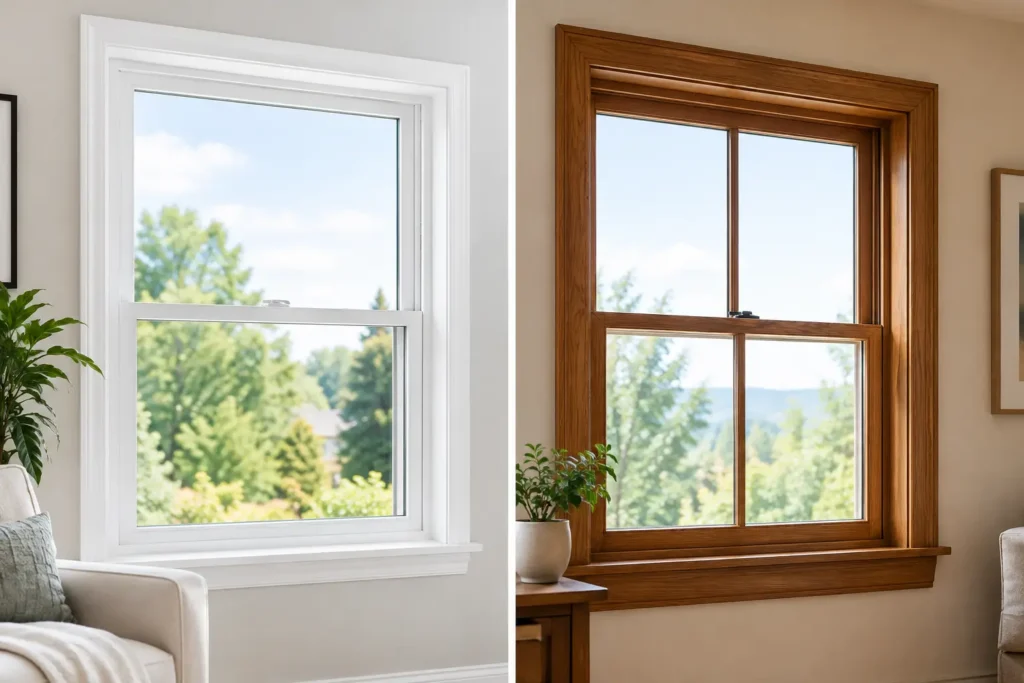
A window replacement can change how a home looks, feels, and performs for decades. When homeowners compare vinyl windows versus wood, the right choice usually comes down to more than price. North Carolina weather, the age and style of the home, maintenance expectations, and long-term plans all matter.
Vinyl and wood windows can both be excellent products when they are properly manufactured and professionally installed. The better option is the one that fits your home’s architecture, budget, and the amount of upkeep you are willing to take on.
Vinyl Windows Versus Wood: The Main Differences
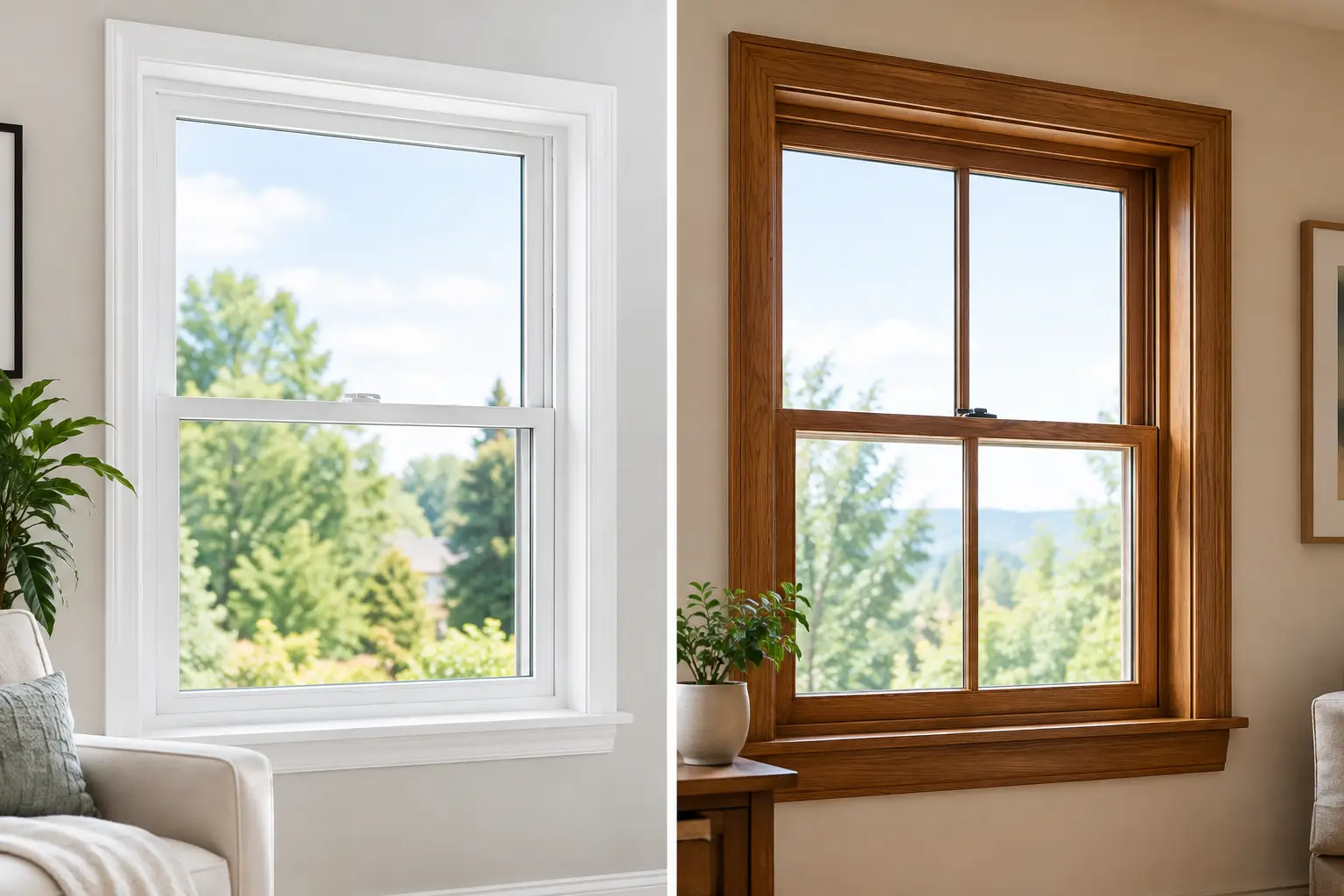
Vinyl windows use frames made from PVC, a durable material designed to resist moisture and require very little routine care. Wood windows use natural wood frames, which can be painted or stained and offer a traditional look that is difficult to duplicate with any other material.
The most noticeable difference is often appearance. Wood has depth, grain, and warmth that complement historic homes, craftsman-style homes, and properties with detailed interior trim. Vinyl has a cleaner, more uniform appearance and is available in a range of colors and grid styles. It is a practical fit for many traditional and modern homes, especially when homeowners want an attractive upgrade without a demanding maintenance schedule.
There is also an important middle ground: wood-clad windows. These typically have a wood interior and a protective exterior cladding, often aluminum or fiberglass. They can provide the interior character of wood with better weather resistance outside, but they generally cost more than standard vinyl windows.
Cost: Upfront Price and Long-Term Value
Vinyl replacement windows usually have a lower upfront cost than wood windows. This allows many homeowners to replace more windows at once, which can improve comfort and create a more consistent appearance across the home.
Wood windows tend to cost more because of the material, craftsmanship, finishing requirements, and ongoing maintenance. For a home where original architectural details are a priority, that additional investment may be worthwhile. A well-chosen wood window can preserve the character that makes an older home special.
The lowest purchase price should not be the only deciding factor. A window that needs repeated repainting or repair can cost more over time than its initial price suggests. On the other hand, installing a vinyl window that does not suit a historic home’s proportions or design can affect curb appeal. The best value is a window that performs well and feels right for the property.
Maintenance in North Carolina’s Climate
Moisture is a major consideration for exterior materials in the Piedmont Triad and across much of North Carolina. Warm, humid summers, heavy rain, seasonal temperature swings, and strong sun can all take a toll on windows.
Vinyl Is the Lower-Maintenance Option
Vinyl does not need to be painted or stained. Routine maintenance is usually limited to washing the frames, clearing debris from tracks and weep holes, and checking caulk or exterior trim as part of normal home care. It will not rot, and it is not vulnerable to insect damage the way wood can be.
That makes vinyl especially appealing for busy homeowners, rental properties, and homes with many windows. Quality vinyl windows are designed to hold up well, but color selection matters. Darker vinyl frames can absorb more heat, and lower-quality frames may be more likely to expand and contract noticeably over time.
Wood Requires Consistent Care
Wood must be protected from water. Painted or stained finishes should be inspected regularly, especially on south- and west-facing elevations that receive intense sunlight. Peeling paint, cracked glazing, soft spots, or discolored trim can allow moisture into the frame, leading to rot and more extensive repairs.
This does not mean wood is a poor choice. It means wood is a commitment. When homeowners stay ahead of painting, sealing, and small repairs, wood windows can remain beautiful for many years. When maintenance is delayed, however, damage can spread from the window frame into surrounding trim, siding, or wall areas.
Energy Efficiency Is About More Than Frame Material
Vinyl has natural insulating qualities, while wood is also a good insulator. Neither frame material alone tells the whole energy-efficiency story. Glass packages, weatherstripping, window design, installation quality, and air sealing have a major effect on performance.
For most homes, look for insulated glass with a low-emissivity coating, appropriate solar heat control, and dependable weatherstripping. The best glass option may differ depending on window orientation. For example, a window exposed to strong afternoon sun may benefit from different solar control than a shaded window on another side of the house.
Professional installation is just as important as the window itself. Even a high-quality window can underperform if it is not measured correctly, secured properly, insulated at the opening, and finished to direct water away from the home. Drafts, difficult operation, and water intrusion are often installation or flashing issues, not simply material issues.
Appearance, Character, and Resale Considerations
Wood often wins when authenticity is the priority. It can be shaped, painted, stained, and repaired in ways that make it particularly suitable for older homes and homes with detailed millwork. If the interior of your home includes stained wood trim, natural wood windows may create a cohesive finish that vinyl cannot fully match.
Vinyl offers a tidy, consistent look and works well with many exterior styles. White, neutral, and darker frame options can coordinate with brick, vinyl siding, fiber cement siding, and painted exteriors. The key is choosing a frame profile, grille pattern, and color that match the home’s scale rather than selecting a window based only on a showroom sample.
If you live in a historic district or own a home with preservation requirements, check local guidelines before choosing a replacement window. Some areas have rules about materials, profiles, divided-light patterns, and exterior appearance. A consultation before ordering can prevent costly changes later.
When Vinyl Windows Make the Most Sense
Vinyl is often the better fit when you want reliable performance with minimal upkeep. It is a strong choice for homeowners replacing worn, drafty, or difficult-to-operate windows throughout the home. It can also make sense when managing the budget is important but you still want quality materials and professional installation.
Vinyl may be especially practical if your current wood windows show widespread rot, water damage, failed operation, or deteriorated exterior cladding. Rather than continuing to repair one failing window at a time, a planned replacement can improve comfort, reduce maintenance, and refresh curb appeal.
When Wood Windows Are Worth Considering
Wood is worth serious consideration when the home has historic significance, custom trim, or a design that depends on natural materials. It is also a good option for homeowners who value the look of real wood and are prepared to maintain it.
A targeted wood window replacement can be appropriate when only a few windows need attention and matching existing profiles is essential. In some cases, repairing original wood windows may also be a better choice than replacing them, particularly when the frames are structurally sound and the issues are limited to glazing, weatherstripping, or localized rot.
Questions to Ask Before Choosing
Before making a final decision, consider how long you plan to stay in the home, how much maintenance you want to manage, and whether the home’s style calls for wood. Also look beyond the frame material. Ask what glass package is included, how the windows will be installed, how exterior trim and flashing will be handled, and what warranty coverage applies.
It is also helpful to have the entire opening evaluated. Water stains, soft trim, peeling paint, and drafts may point to issues around the window rather than the sash alone. Addressing the complete condition of the opening helps protect the investment and supports a cleaner, longer-lasting finished result.
For homeowners deciding between vinyl windows versus wood, a free in-home assessment can turn a broad comparison into a practical recommendation for your actual home. Carolina Improvements can help you weigh appearance, performance, maintenance, and installation needs so your replacement windows feel like a lasting improvement, not another item on the repair list.