
A storm can leave your yard looking mostly normal while creating a serious problem above it. Wind damage roofing issues often begin at the roof’s edges, around vents, or beneath shingles that have lifted just enough to let water in. A quick, careful assessment after high winds can help protect your home from a small repair turning into damaged insulation, stained ceilings, or rotted wood.
How High Winds Damage a Roof
Wind does not have to remove an entire section of shingles to cause trouble. As air moves across the roof, it creates uplift pressure. That pressure can loosen shingles, pull at flashing, bend metal trim, and expose the fasteners and underlayment that help keep water out.
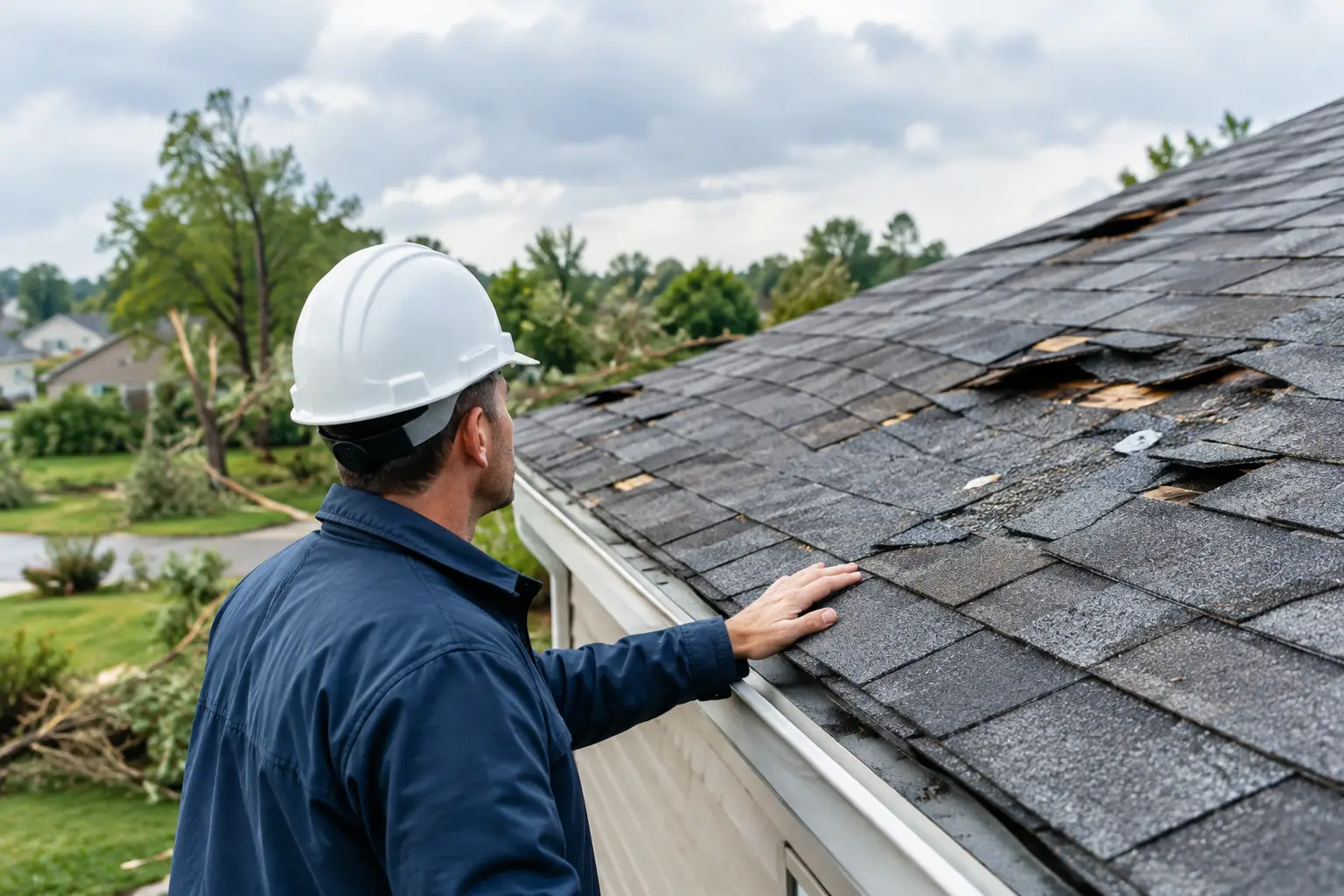
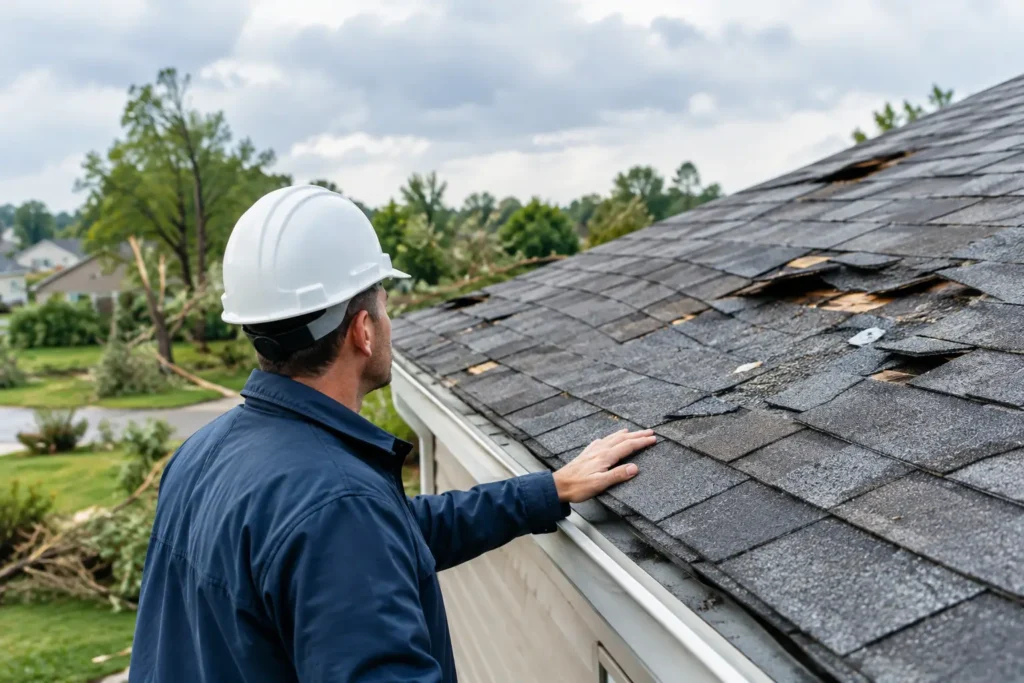
Roof edges and ridges are especially vulnerable because they receive the greatest wind force. A shingle may crease, crack, lose its adhesive seal, or lift at one corner. It can settle back into place afterward, making the damage hard to spot from the ground. However, its ability to shed rain may already be compromised.
Flashing around chimneys, skylights, valleys, plumbing vents, and wall intersections also deserves close attention. These areas are designed to direct water away from openings in the roof. If wind bends or loosens the metal, water can follow a path into the home even when the surrounding shingles appear intact.
The extent of damage depends on the wind speed, the age and condition of the roof, the roof’s design, and how well its materials were installed. A newer roof may need only a targeted repair. An older roof with widespread lifting or brittle shingles may be better served by replacement. The right answer comes from the condition of the full roofing system, not one visible shingle alone.
Wind Damage Roofing Signs You Can Spot Safely
Homeowners should start from the ground. Do not climb onto a wet, steep, or visibly damaged roof. A ladder and roof surface can become dangerous quickly, particularly after a storm when debris and moisture are present.
Look at the roofline and the ground around your home
Walk around the property and look for shingles in the yard, on patios, or caught in landscaping. Check rooflines for missing tabs, uneven shingle edges, exposed areas, loose ridge caps, or bent gutters. Pieces of metal flashing, soffit material, or vent covers can also indicate that wind reached more than the surface of the roof.
Use binoculars or a phone camera zoom if needed. From a safe position, look for shingles that appear darker, curled, raised, or out of alignment. Pay particular attention to areas near trees, where limbs may have rubbed against or struck the roof.
Check inside before the next rainfall
Go into the attic with a flashlight and look for damp insulation, water marks on rafters, dripping, or a musty smell. Check ceilings and upper walls for new discoloration, bubbling paint, or soft spots. A leak can take time to become visible inside, so a dry ceiling right after the storm does not always mean the roof is undamaged.
Also inspect fireplaces, skylights, and rooms below roof valleys. These are common places for moisture to show up when flashing has been affected.
What to Do in the First 24 Hours
A clear record and prompt action can make the repair process easier. After you have confirmed that everyone is safe, focus on protecting the home without putting yourself at risk.
- Take clear photos and video of visible exterior damage, fallen branches, interior water stains, and any shingles or roof materials on the ground.
- Move furniture, electronics, and other belongings away from active drips. Use containers to catch water and protect floors with towels or plastic sheeting when practical.
- Remove only loose debris that can be handled safely from the ground. Do not pull branches from the roof or attempt a temporary repair from a ladder.
- Contact a qualified, licensed, and insured roofing contractor for an inspection. If you intend to file an insurance claim, notify your carrier and keep copies of your photos, repair recommendations, and receipts.
Temporary protection may be necessary when a roof has an active opening. A professional can determine whether a properly secured tarp or emergency repair is appropriate. This is not a cosmetic step. Limiting water entry can prevent additional damage while you decide on the permanent repair.
When a Repair Is Enough and When Replacement Makes Sense
Not every wind event calls for a new roof. If damage is limited to a small, identifiable area and matching materials are available, a focused repair can restore the roof’s protection at a lower cost. Replacing a few wind-lifted shingles or repairing flashing may be the practical choice for a roof that is otherwise in good condition.
Replacement becomes more reasonable when damage is widespread, shingles are aging and brittle, or multiple sections have lost their seal. It may also be the better option if prior repairs have accumulated, matching shingles are no longer available, or the inspection reveals problems with decking, ventilation, or underlayment.
Material type matters, too. Asphalt shingles can lose tabs or develop lifted seals. Metal roofing may show loose fasteners, bent panels, or damaged trim. Low-slope Rubber or TPO roofing can develop stressed seams, punctures, or lifted edges. Each system requires a different inspection approach and repair method.
Cost should be considered alongside service life. A less expensive repair can be the right decision when it gives a sound roof several more years of reliable performance. On the other hand, repeatedly repairing an older roof may cost more over time and leave your home vulnerable between visits. A detailed estimate should explain the condition found, the recommended scope of work, and why that recommendation fits the roof.
Why Small Wind Damage Should Not Wait
A lifted shingle is not always an immediate leak, but it is an opening in your home’s weather protection. Wind-driven rain can travel beneath damaged materials and wet the roof deck or insulation. Over time, trapped moisture can lead to wood deterioration, mold growth, reduced insulation performance, and repairs that extend beyond the roof itself.
Prompt attention also protects curb appeal and home value. Missing or uneven shingles are visible signs of neglect to buyers, appraisers, and neighbors. More importantly, delaying an inspection can make it harder to determine the original source of a later leak.
A Professional Inspection Provides a Clearer Answer
A thorough roofing inspection goes beyond looking for missing shingles. A qualified contractor examines the roof surface, edges, valleys, penetrations, flashing, vents, gutters, and accessible attic areas. They can identify subtle wind effects that are easy to miss from the driveway, including creased shingles, unsealed tabs, displaced flashing, and loose fasteners.
For North Carolina homeowners, local experience matters. Storm patterns in Greensboro, Winston-Salem, High Point, and surrounding communities can bring strong gusts, heavy rain, and falling limbs in the same event. A roofing recommendation should account for the roof’s existing condition, the home’s exposure to wind, and the materials best suited for lasting protection.
Carolina Improvements provides free in-home estimates and can help homeowners understand whether a targeted repair or a full replacement is the more dependable path forward. Clear communication, quality materials made in the USA, and a clean, professionally managed job site help make an unexpected roofing project more manageable.
After the wind dies down, trust what you can see, but do not rely on appearances alone. A careful inspection now can give you a practical repair plan and the confidence that your home is ready for the next hard rain.