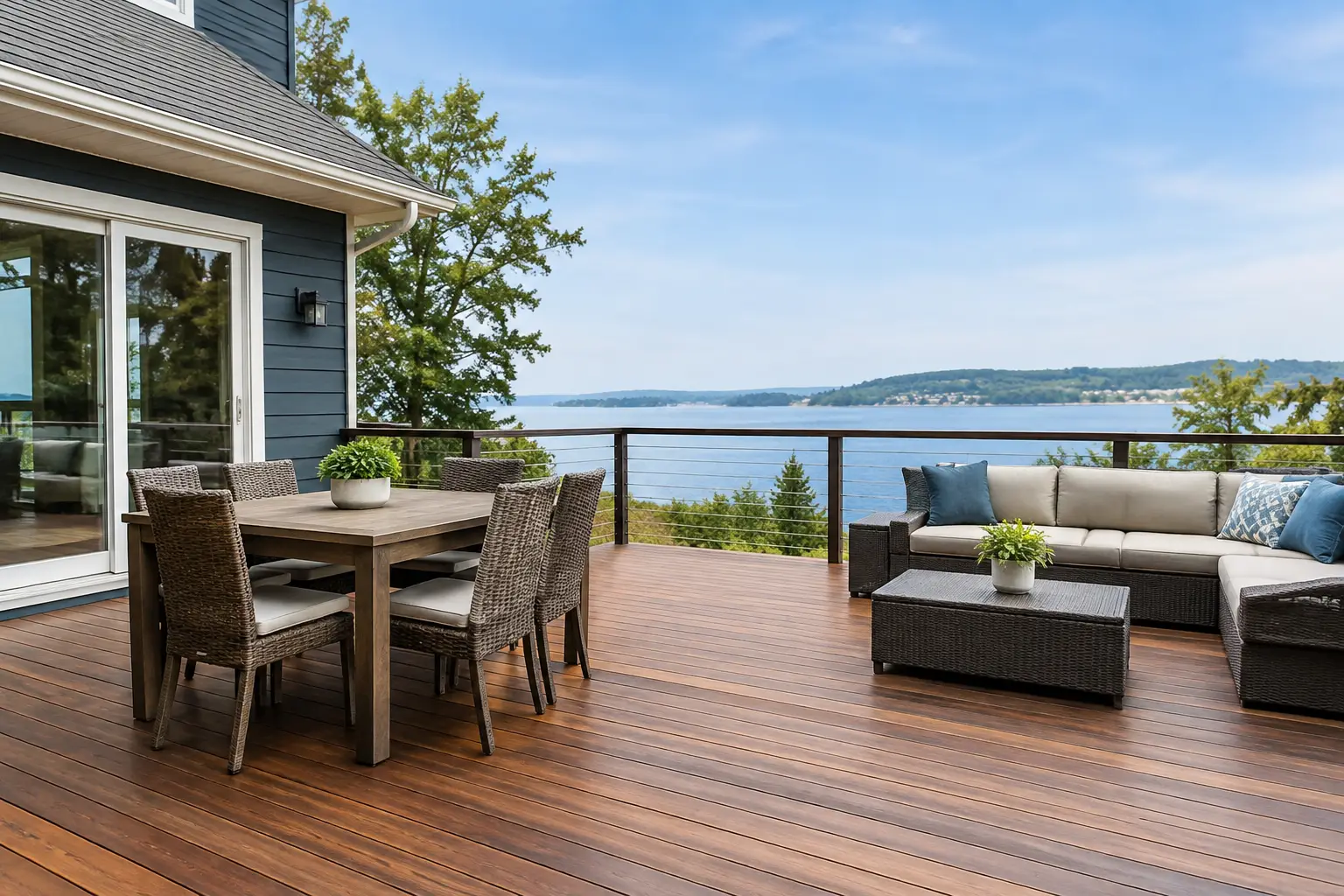

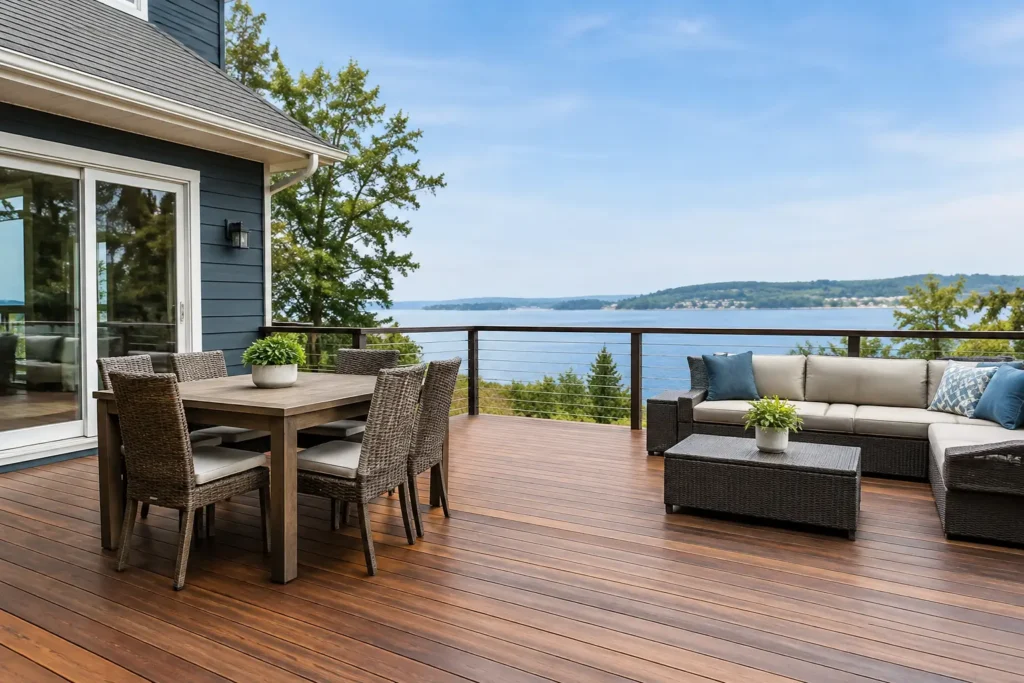
A deck can look acceptable from the yard while hiding problems that matter most underfoot: soft boards, loose railings, corroded fasteners, or framing weakened by years of moisture. A Burlington deck renovation gives homeowners a chance to correct those concerns while creating an outdoor space that better fits how the family uses the home.
The right scope depends on more than surface appearance. Some decks need new boards and railings. Others have reached the point where rebuilding is the safer, more sensible long-term choice. A careful on-site assessment can separate a cosmetic refresh from a structural project, so money is put toward work that will last.
Start With the Structure, Not the Stain
Faded stain, splintered boards, and peeling paint are easy to see. They are also not always the biggest issue. The condition of the deck framing, posts, ledger board, footings, and connections determines whether the existing deck can support a renovation.
Pay close attention to areas where the deck meets the house and where wood is close to the ground. Water can remain trapped in these locations, leading to decay that is difficult to spot without a close inspection. Wood that feels soft when pressed, posts that lean, or a deck surface that moves or bounces under normal walking are signs that more than a new finish may be needed.
Railings deserve the same attention. A loose railing is not simply an appearance issue, particularly for homes with children, older family members, or frequent guests. Stair treads, handrails, and the transition from the home to the deck should also be examined for stability and safe use.
Signs Repair May Be Enough
A repair-focused project can be a practical choice when the supporting structure remains solid and the concerns are limited to accessible components. For example, a deck may be a good candidate for renovation if the framing is sound but several boards are cracked, the railing design is outdated, or the finish has worn away.
Replacing damaged deck boards, reinforcing railings, updating steps, and applying a protective finish can extend the service life of a structurally sound wood deck. This approach often makes sense for homeowners who like their current deck size and layout but want a cleaner, safer, more usable space.
It depends, however, on how much repair is required. Once repairs involve widespread framing replacement, multiple failing posts, or extensive work near the house connection, rebuilding can offer better value than repeatedly addressing isolated problems.
When a Burlington Deck Renovation Should Include a Rebuild
A full rebuild is often the wiser route when the deck has broad structural deterioration, no longer meets the household’s needs, or was built with materials and details that have not held up over time. Rebuilding provides an opportunity to address drainage, improve access, adjust the deck footprint, and select materials suited to the level of maintenance a homeowner wants.
Older decks sometimes have undersized or poorly supported framing, worn footings, inadequate railings, or connections that need to be brought up to current requirements. These are not details to cover with new decking. New surface materials can make an aging deck look better temporarily, but they cannot correct weakened support below.
A rebuild can also make sense when the layout creates frustration. Perhaps the grill area is too close to the door, stairs empty into an inconvenient part of the yard, or the deck does not provide enough room for dining and seating. Making those changes during reconstruction is generally more efficient than trying to force a major layout change into an existing frame.
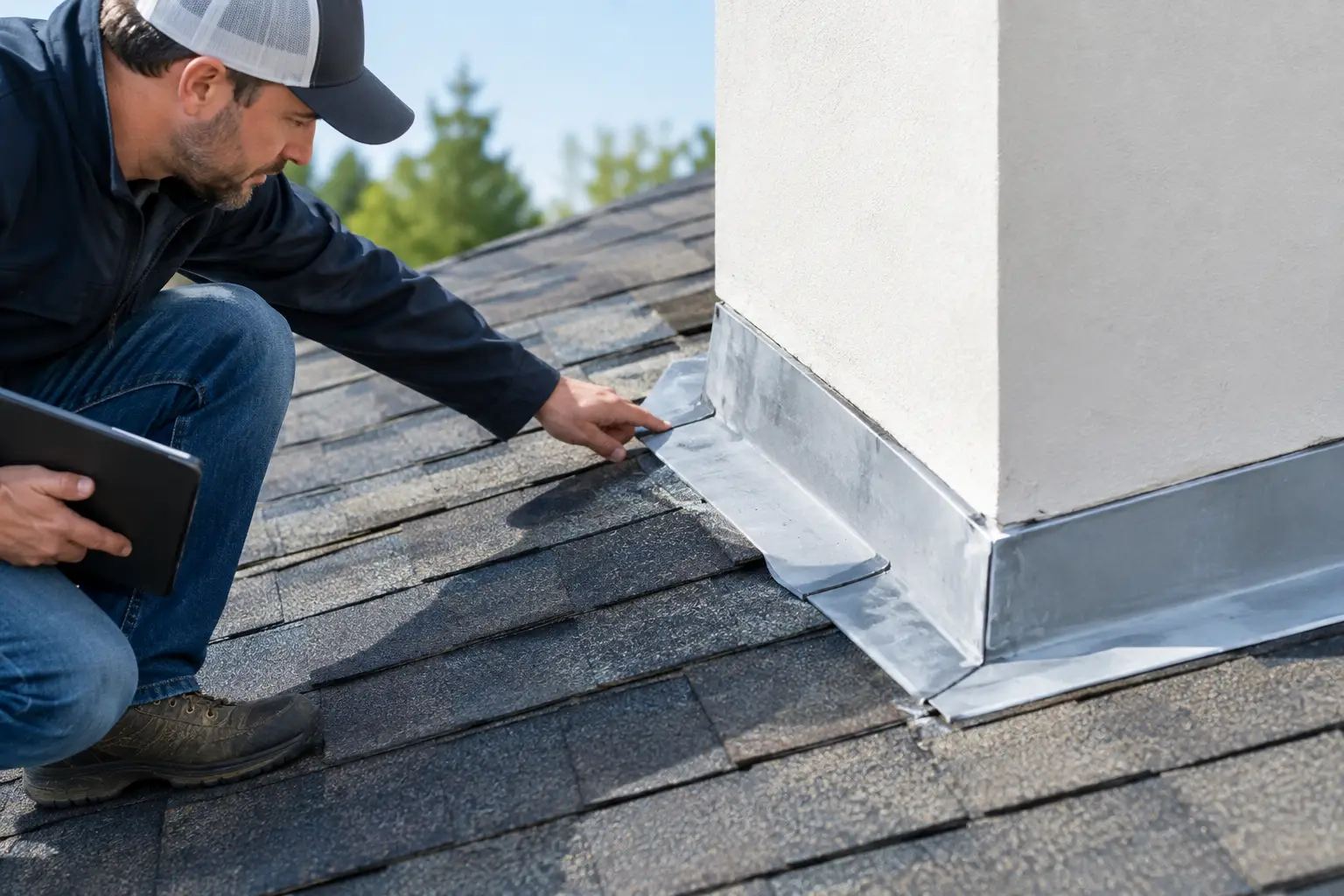
For homes in Burlington and across the Piedmont Triad, seasonal rain, summer heat, and damp conditions make proper water management especially valuable. A deck should shed water effectively, use appropriate flashing where it connects to the home, and keep structural wood from sitting in consistently wet conditions.
Choose Materials Based on Maintenance and Use
The best deck material is not the same for every home. Budget, preferred appearance, sun exposure, and willingness to perform regular maintenance all affect the decision.
Pressure-treated lumber remains a practical option for many homeowners. It can provide a traditional wood look at a manageable upfront cost, but it needs ongoing care. Periodic cleaning, staining, or sealing helps protect it from moisture and sun exposure. Natural wood can be attractive, but it also requires consistent maintenance to preserve its appearance and performance.
Composite decking typically costs more at installation, yet it can reduce the recurring work associated with staining and sealing. It is often a strong fit for busy households that want a durable, low-maintenance outdoor surface. Composite products vary in appearance, heat retention, texture, and price, so samples are useful before making a final selection.
Railing choices matter as well. Wood railings can coordinate with a traditional deck, while aluminum and other low-maintenance options may offer a cleaner look with less upkeep. The right choice should feel secure, complement the home, and maintain a clear view of the yard where that matters.
Design for the Way You Actually Gather
A successful deck renovation is less about adding the largest possible platform and more about organizing the space around everyday use. Think about how people move from the kitchen or living area to the deck, where food will be prepared, and whether there is enough space to pull out chairs without blocking a walkway.
A modest deck can feel much more functional with a well-placed landing, wider stairs, or a dedicated dining area. Larger decks may benefit from separate zones for grilling, relaxing, and entertaining. If the deck is intended for a homeowner with mobility concerns, a gradual transition, stable handrails, and an accessibility-focused ramp may be worth discussing as part of the overall exterior project.
Privacy is another consideration. A fence, screen section, or carefully placed enclosure feature can make a deck more comfortable without closing it off completely. These additions should be planned early, since they can affect the structure, layout, and final budget.
Prepare for a More Organized Project
Homeowners can make the estimate process more productive by identifying what works and what does not on the current deck. Take note of areas that hold water, locations that feel crowded, safety concerns, and the number of people who typically use the space. Photos of deck styles or railing designs you like can also help clarify preferences.
A qualified contractor should inspect the existing structure, discuss material options in plain language, and provide a detailed quote that explains the proposed work. Ask how the crew will protect surrounding landscaping, manage debris, and keep the worksite orderly. Clear communication matters just as much as the materials because exterior work affects daily access to the home while construction is underway.
Carolina Improvements approaches deck projects as part of the home as a whole. That can be helpful when deck concerns overlap with siding, doors, concrete, drainage, patios, or other exterior improvements that may need coordinated planning. Homeowners should also ask about financing options if a larger rebuild or combined project is the better long-term solution.
Plan for Lasting Enjoyment, Not Just a Quick Fix
A renovated deck should feel secure when family and friends step outside, handle the weather with reasonable maintenance, and support the way the home is used now. The best next step is a professional assessment that looks beyond the visible boards and gives you a clear recommendation based on the deck’s actual condition. With the right plan, an aging outdoor space can become a dependable place to gather for years ahead.